Concrete Independence
Concrete convictions: how seven newly independent nations built their identity in glass and reinforced concrete, and why MoMA's latest show could not have landed at a more Instagram-ready moment.
Every few years, a museum announces a show and you can practically hear architecture Twitter (sorry, X) collectively sit up straighter. This July, that show is MoMA's ‘Architects of Liberation: Modernism in Western Africa’, opening on July 5th and running through January 2, 2027 in the Robert B. Menschel Galleries, and it is, by the museum's own admission, the first major exhibition to treat modern architecture in the region not as a stylistic footnote to European modernism, but as a political act.
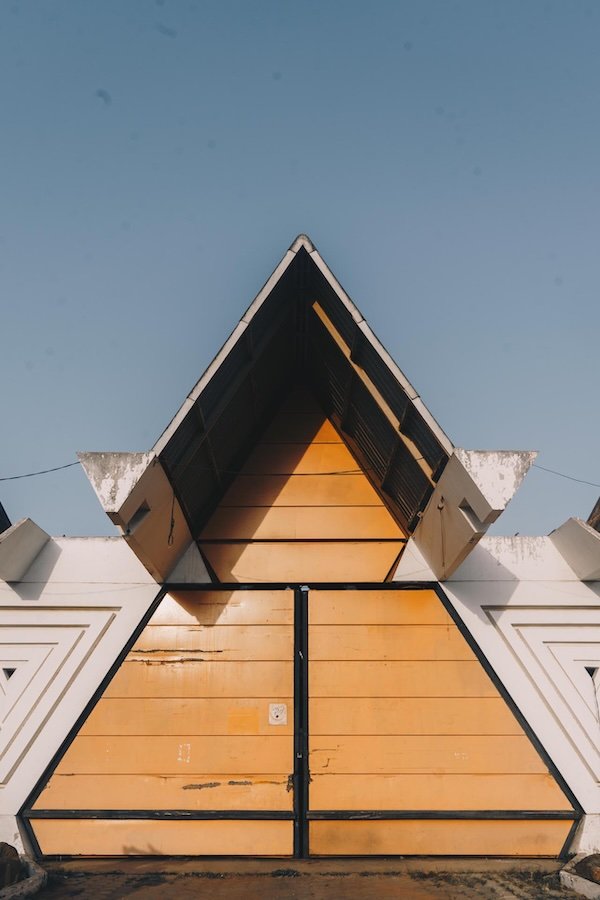
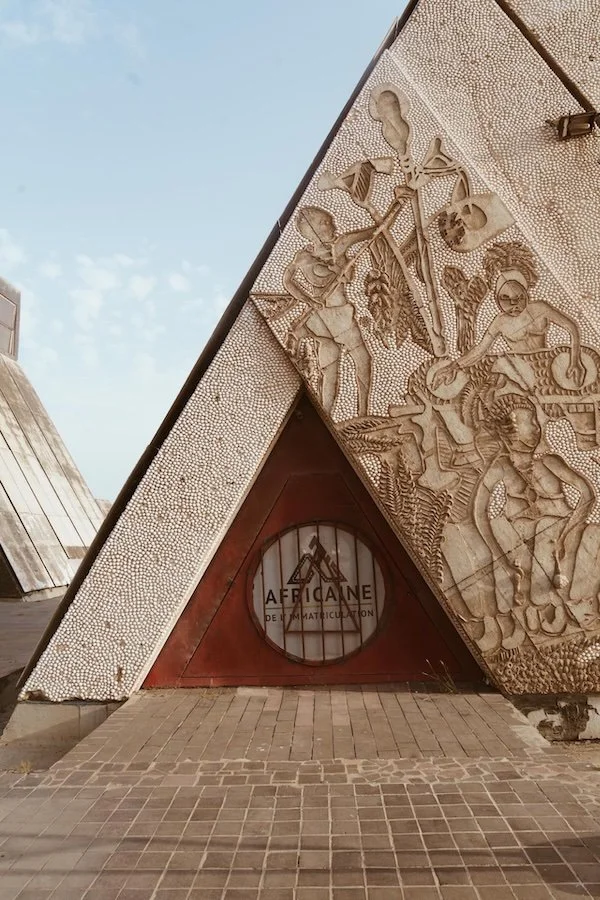
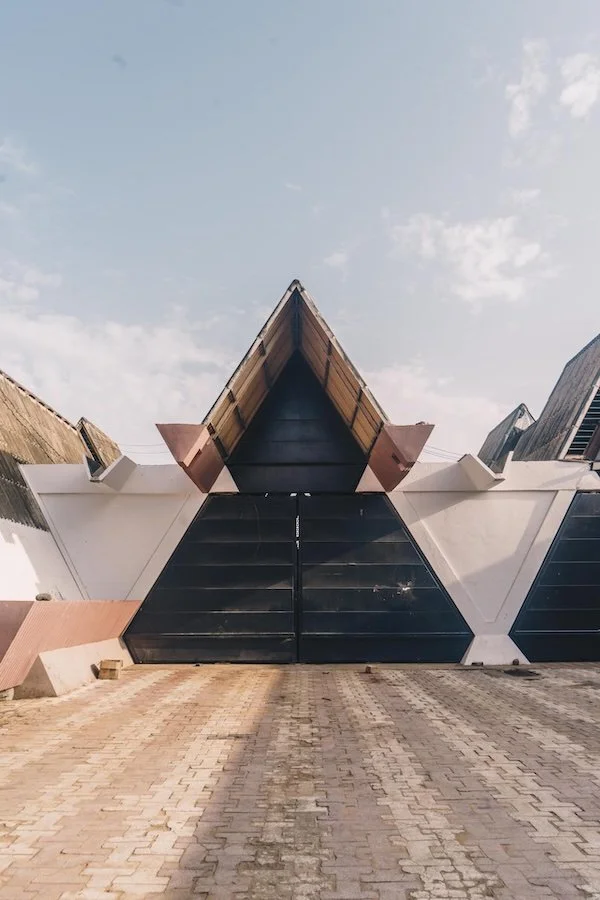
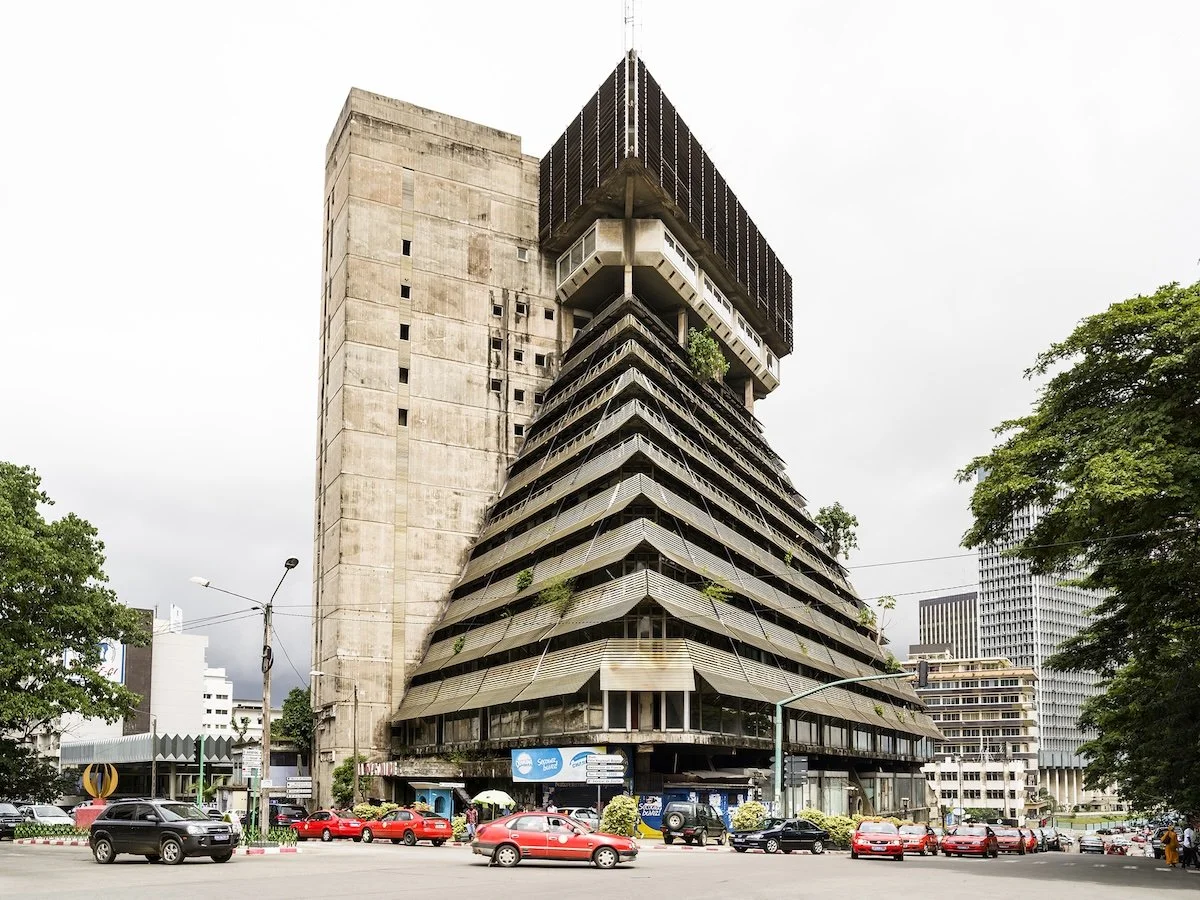
That framing matters. Between the late 1950s and early 1980s, seven newly independent nations — Benin, Cameroon, Côte d'Ivoire, Ghana, Nigeria, Senegal, and Togo — used concrete, glass, and brise-soleil the way other nations use flags and anthems. A trade fair pavilion, a train station, a university campus: these were not just buildings, they were declarations. Ghana's circular Africa Pavilion at the Accra Trade Fair, designed under the Ghana National Construction Corporation with input from Vic Adegbite, Jacek Chyrosz, and Stanisław Rymaszewski, was unity poured in concrete. Léopold Senghor's Senegal had an entire architectural philosophy — "asymmetrical parallelism" — baked into projects like the CICES trade-fair campus. Even the skyline got political: Rinaldo Olivieri's Pyramide punched a new silhouette into Abidjan in 1973, and it is still doing the job.
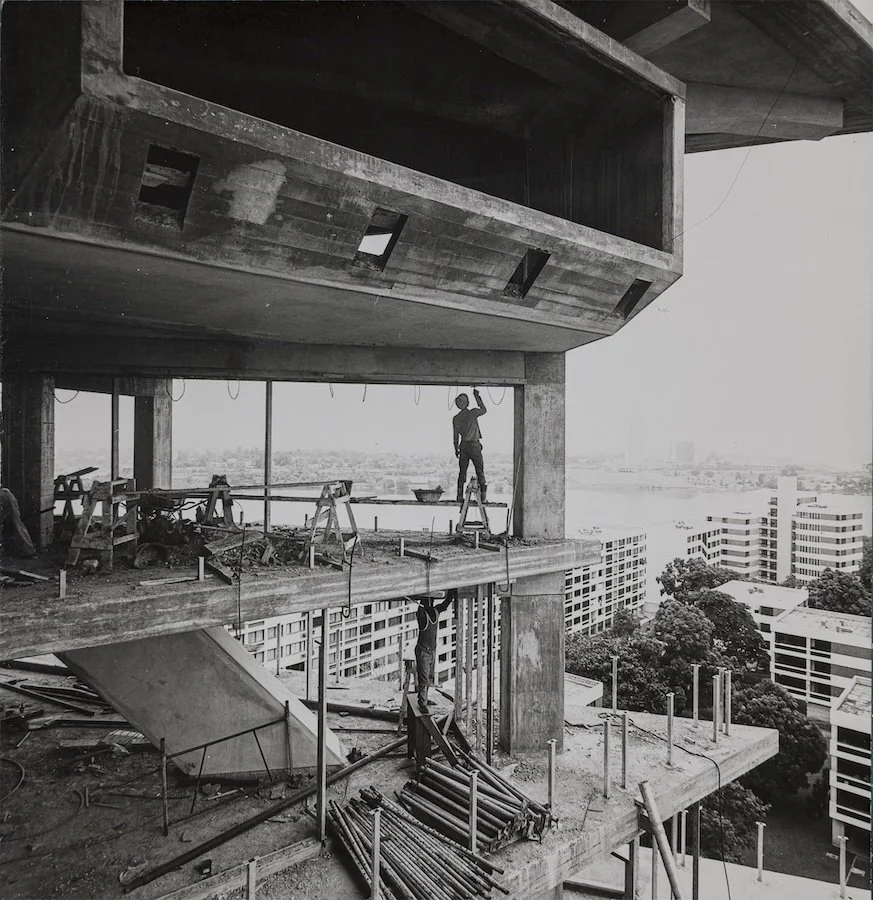
What makes the show genuinely exciting rather than merely worthy is the scale of the archival dig. Four years of research, roughly 450 objects, more than 50 lenders across 17 countries, and, this is the good part, most of the architects on view have never been the subject of an exhibition or scholarly publication before. Demas Nwoko, John Owusu Addo, Cheikh Ngom, Jean Léon: names that deserve to be as familiar to design audiences as Niemeyer or Breuer, and mostly are not. Yet.
Which brings me to the timing…
Because let's be honest about what's happening right now: modernism is having An Absolute Moment. Brutalist churches from socialist-era Yugoslavia rack up carousel posts. Soviet mosaic bus stops in the Caucasus have their own fan accounts. And nowhere is this more visible or more strategically deployed, than in Tashkent, where the Uzbek government has spent the last few years rehabilitating, restoring, and re-photographing its own trove of Soviet-modernist landmarks (that Palace of Arts, those circus domes, the Chorsu bazaar structure) into some of the most Instagrammed architecture on the continent of Asia. Uzbekistan figured out early that a striking mid-century silhouette is basically a content strategy with a roof on it. MoMA, whether it intends to or not, is riding the same wave: modernism as heritage, modernism as identity, modernism as extremely photogenic proof that a nation was building something new.
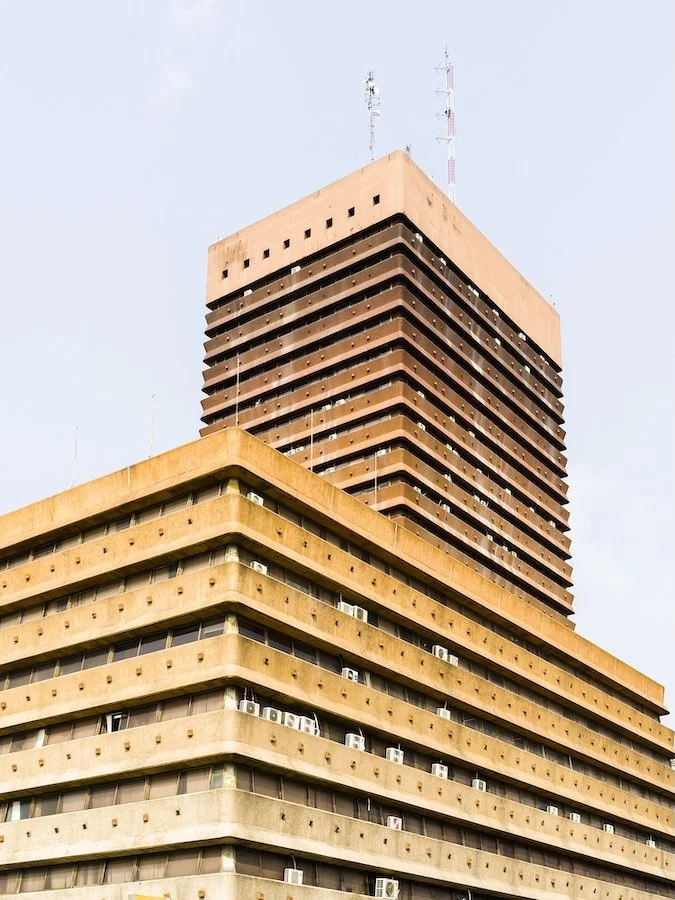
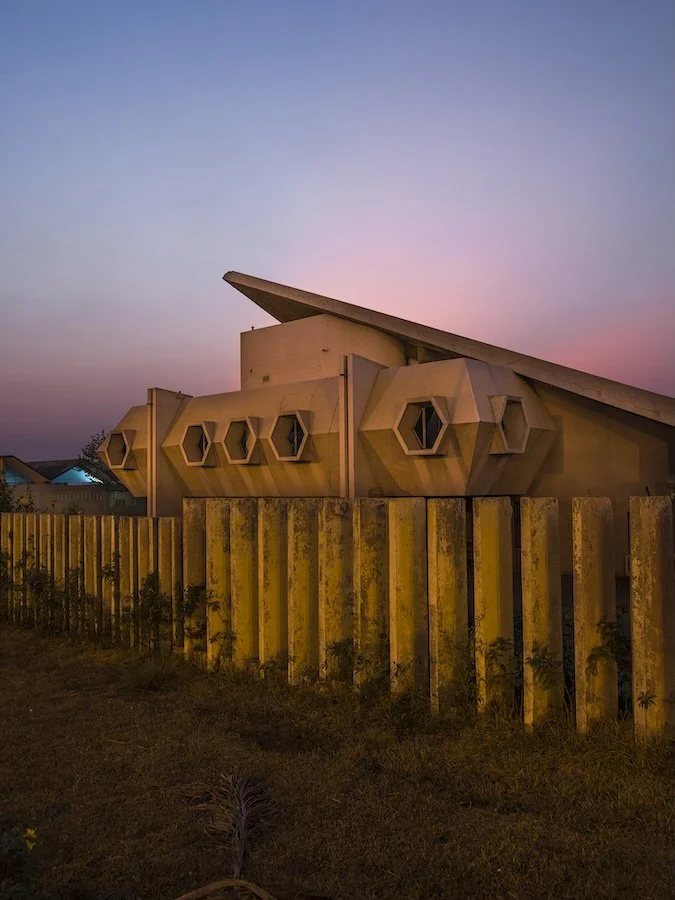
The difference, and it's the difference the exhibition seems genuinely interested in, is that West Africa's modernist boom wasn't commissioned by an empire trying to look progressive. It was commissioned by newly sovereign governments trying to look, and be, self-determined. The buildings in this show are Pan-Africanism and Africanisation made structural. That is a very different proposition from a restored mosaic getting 40,000 likes because it looks nice against a sunset, and it is why I suspect this exhibition will land somewhere between an architecture crowd and a much broader audience currently primed, thanks to social media, to find concrete beautiful again.
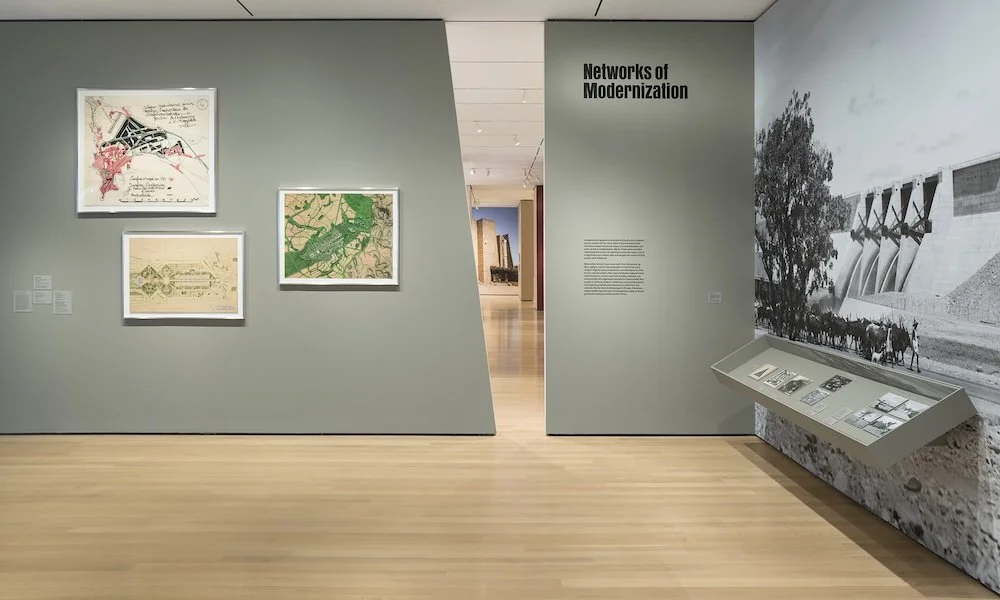
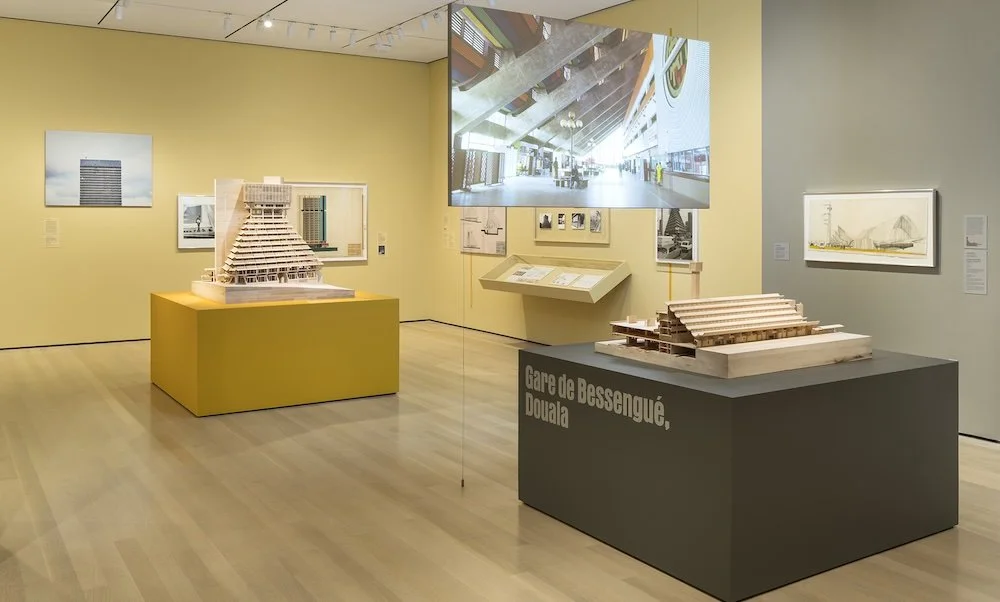
Worth noting too: the show doesn't pretend West Africa's modernism happened in a vacuum sealed off from the rest of the world. Foreign architects, Rinaldo Olivieri from Italy, Zoran Bojović from Yugoslavia, Henri Chomette from France, show up throughout, working alongside the first generation of formally trained African architects rather than instead of them. It is a messier, more accurate picture of how independence-era architecture actually got built, and a useful corrective to any narrative, feed-friendly or otherwise, that flattens the story into either "colonial import" or "purely indigenous invention."
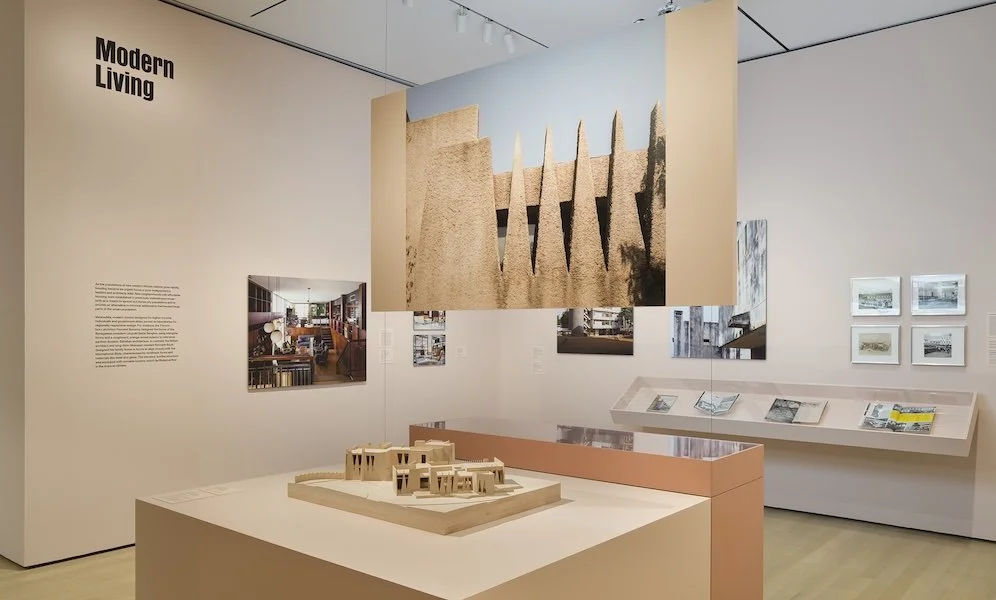
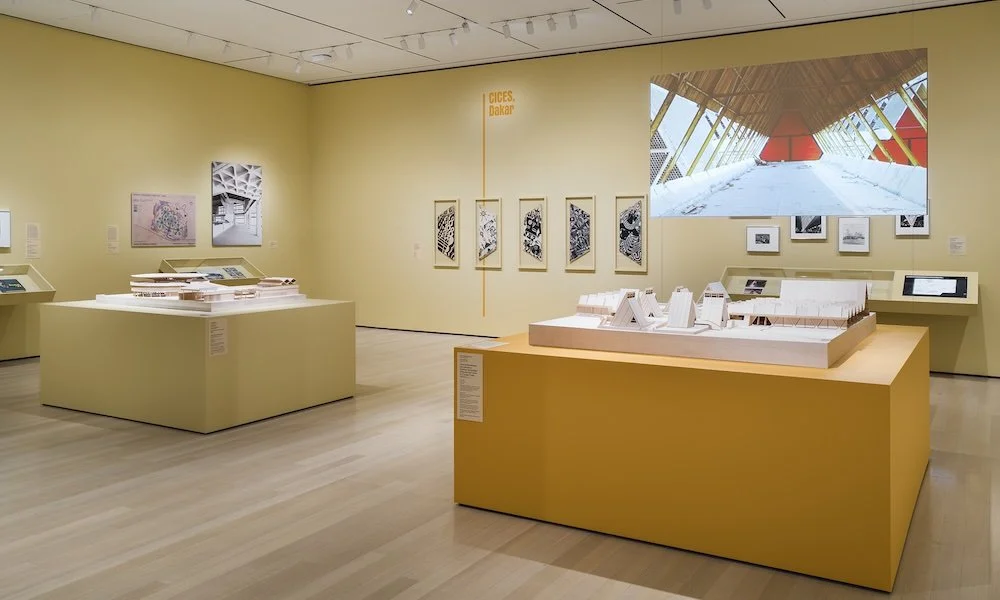
If you are anywhere near West 53rd Street between July and January, this one is worth the detour. And if you are not, well, that is what the eventual flood of exhibition photography on your feed is for.
Architects of Liberation: Modernism in Western Africa at The Museum of Modern Art, New York, July 5, 2026 – January 2, 2027. Curated by Martino Stierli and Ikem Stanley Okoye, with Mallory Cohen.
Hero picture: Children outside Bolgatanga Library, Ghana. December 1967. Photograph: Willis E. Bell. J. Max Bond Jr. papers, 1955–2009, Department of Drawings & Archives, Avery Architectural & Fine Arts Library, Columbia University. © Mmofra Foundation.