Plĭco by Atelier Nuanda
At EDIT 2024, Atelier Nuanda received the Young Award for its creation, Plĭco—an innovative blend of art and craftsmanship with a nod to the Wiener Werkstätte movement.
Drawing inspiration from the Wiener Werkstätte, founded in 1932 by Josef Hoffmann and Koloman Moser, the Plĭco collection by Atelier Nuanda represents a fusion of materials and manufacturing techniques.
Through meticulous design and craftsmanship, the collection achieves a remarkable balance between lightness and flexibility.
The first furniture collection from the atelier merges art and craftsmanship into everyday living. The designs feature precise yet fluid geometries, creating a dialogue between past and present while adapting to diverse environments.
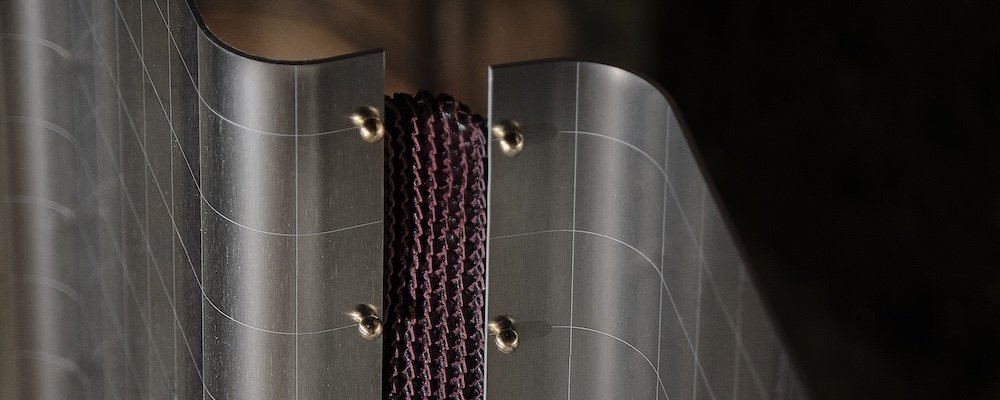
Natural aluminium, often used in mass industrial production, serves as the structural core of the collection. Lightweight and reflective, it is shaped into modular components that capture and reflect surrounding light.
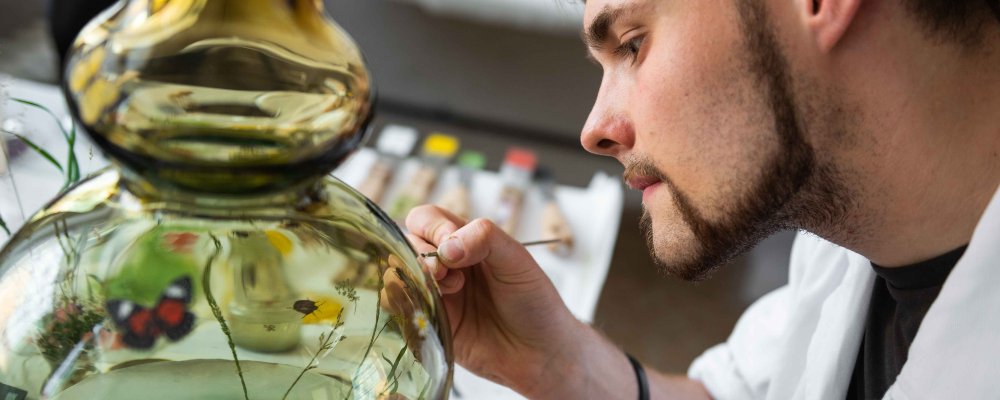
The collection’s signature feature is its leather weave, which is dense yet flexible, both light and durable. The leather serves as the structural joint for the folding screen, enabling it to move and adapt to user needs.
The combination of flexible leather and lightweight aluminium allows the screen to fold neatly. Steel gaskets, adorned with spherical decorative elements, emphasise the screen's verticality. The aluminium’s geometric motif highlights the screen's flowing forms, adding rhythm to its modular structure.
Meanwhile, the contrasting matt and satin finishes on the reverse surface accentuate the leather's texture and the steel’s trim, reminiscent of textile stitching, binding the two materials.
Materials: Leather and aluminium
Configuration: 5-module screen (expandable with additional modules, minimum of 4 W25)
Dimensions: W135 x D8 x H165 cm
Weight: 15 kg
Production: Atelier Nuanda
Note: Sustainability is at the heart of the materials used. Recovered, vegetable-tanned leather is transformed into yarn, minimising waste in production, while untreated natural aluminum is 100% recyclable.
Pictures by Dario Cervellin.
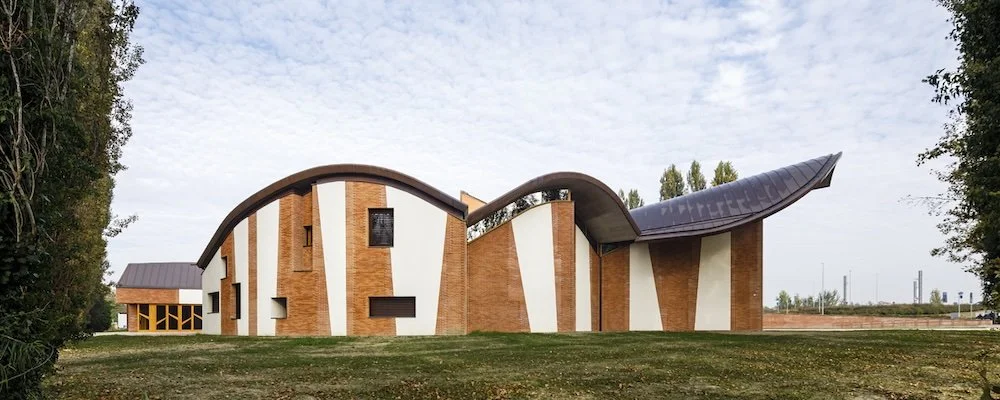
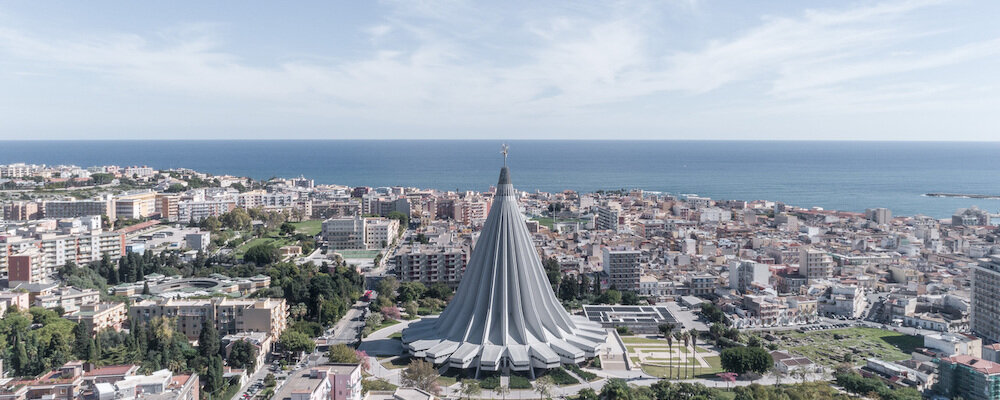
#Advent2025: With its light and organic structure, this church contrasts with other religious buildings in the same city.
Second stop: Ferrara, Italy.
Friedman Benda presents the first solo gallery exhibition in the United States by Italian design studio Formafantasma.
At EDIT 2024, Atelier Nuanda received the Young Award for its creation, Plĭco—an innovative blend of art and craftsmanship with a nod to the Wiener Werkstätte movement.
The sixth edition of EDIT Napoli is hosting over 100 exhibitors and featuring seven CULT shows at the Archivio di Stato di Napoli.
On the occasion of EDIT 2024, Undo-Redo presents ‘Viaggio in Italia’, a visual interpretation of the Italian regional symbols and landscapes.
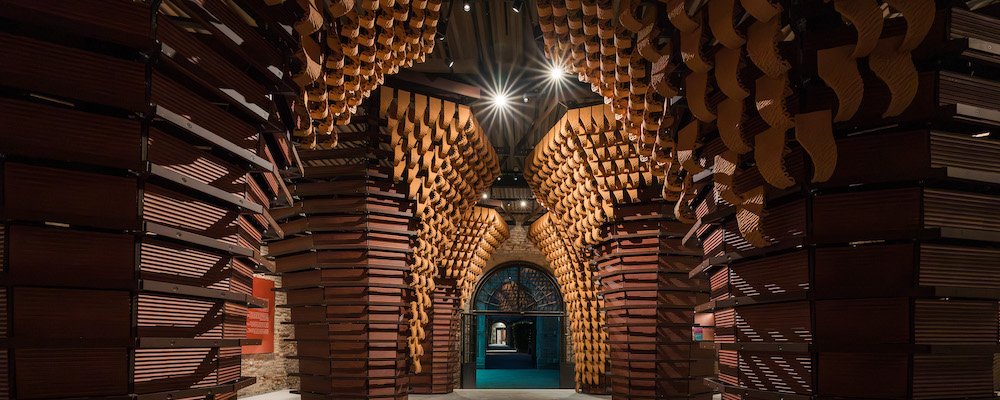
The National Pavilion of Saudi Arabia presents its third participation the 18th International Architecture Exhibition – La Biennale di Venezia with the exhibition IRTH إرث , curated by Basma and Noura Bouzo and designed by the architect AlBara Saimaldahar.
Beside the extensive design offer in town, Tashkent Modernism. Index is an architectural exhibition at Triennale on Soviet Modernist layer of Tashkent, Uzbekistan.
Celebrating twice its 30th birthday is unusual but when it comes to Droog, it is the least. Both Milan and Rotterdam will pay tribute to the unconventional achievements of Droog. Its DNA goes beyond design and always with a twist of humour and a permanent aim to remain accessible to all.
Every year during Salone del Mobile, the Michelangelo Foundation for Creativity and Craftsmanship is unveiling a new edition of Doppia Firma, a concept enhancing the value of craftsmanship and design.
Inspired by Japanese teahouses and cabins in Scandinavian forest, this 12sqm structure overlooks the Trebbia Valley in Italy.
#CabinWeek Season 2 – Episode 5 (finale): The Hermitage Cabin by Ilabb.
#SummerDesignExhibition 2022
Architecture, art and design, Nanda Vigo did it all. With an original scenography in a former prison, the Museum of Decorative Arts and Design of Bordeaux, pays a homage to the unique Italian free spirit.
Italian born in Austria, architect, writer, designer, Ettore Sottsass opposed his work to rationalism and never ceased to lay claim to an emotional experience of objects. The Centre Pompidou keeps alive his ritual punctuation of a cosmic whole.
Rational yet personal, the new DIN collection by Konstantin Grcic for Mutina reveals a rather simple mathematical pattern applying that modularity creates flexibility.
Located in the midst of the UNESCO Natural Heritage area of the Dolomites of Sesto, Bistro Bergsteiger by Plasma Studio, fits properly and carefully into its natural and built context.
The upcoming design auction by Piasa Paris will celebrate Italian masters of the 20th-century.
Celebrating the first Advent, the tradition sees the first of four candles to be lit on the family table… Here’s the reason why this week’s selection is focused on table accessories and objects.
The Design Auction season is back on track and Phillips present an exceptional line up of creations by design icons of the 20th century on November 12th in London.
At Venice Glass Week, DESIGN Canberra’s signature exhibition GLASS UTOPIA will be featuring 12 Italian and Australian designers in dialogue with twentieth-century design masters.
In Sicily, the island of Gods, one is more used to see Greek temples and heavy baroque churches… except for this one in the centre of Syracuse…
Day 4: Basilica Sanctuary of Our Lady of Tears, Italy.
For the last post of our series, we mix everything… The location is Italian but people speak German, the mountains are stunning in the winter but remain an endless field for Summer activities too… And the interior combines here as well traditional wood structures with contemporary flavours…
Episode Eight: Berghaus Zallinger, Italy.
SenseLab has designed a 1,500 sqm retail experience focuses on senses and time inside one of the most important baijiu factories.
The Campana brothers are returning to Rome to unveil a new collection over two years. Notturno 1 & 2 will demonstrate, if still necessary, how complimentary Humberto and Fernando are.
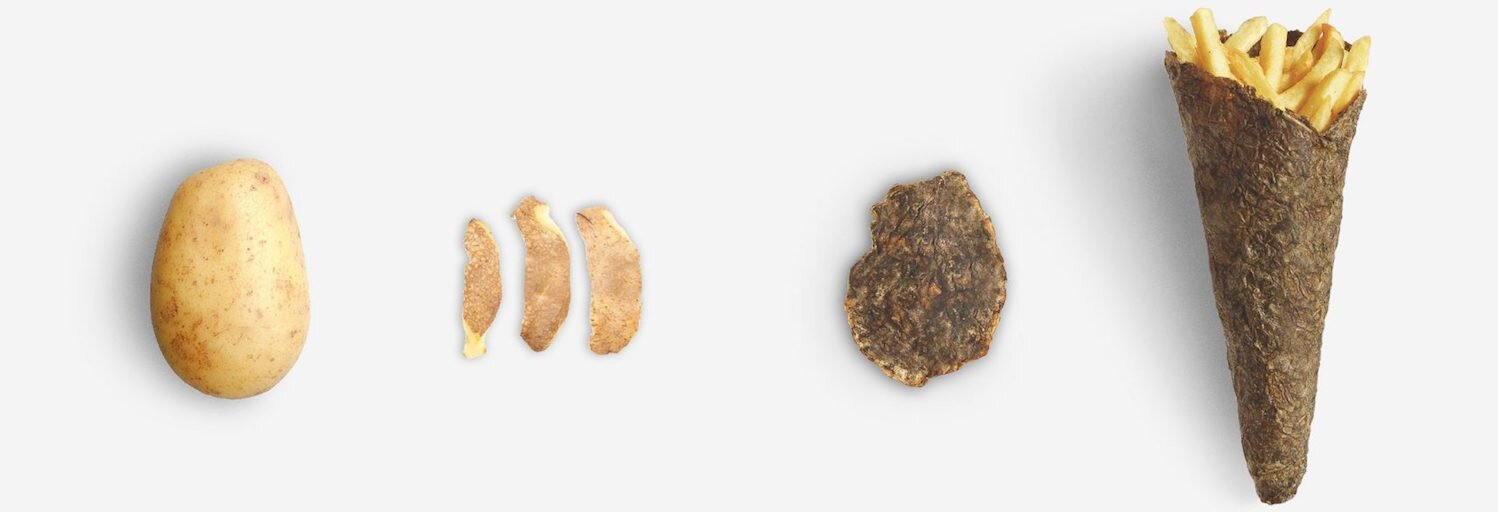
Three Italian designers use the skin of potatoes to become its own ecological packaging.