The Aral School: A Classroom for the Future, Rising from the Sands of Uzbekistan
At the World Design Congress in London, an announcement resonated with unusual urgency: the launch of The Aral School, a bold new educational initiative in Uzbekistan that blends ecology, design, and social innovation.
Unlike the typical new-school unveiling, this one carries the weight of an ecological tragedy—the near disappearance of the Aral Sea—and the hope of using education as a tool to rebuild futures.
Commissioned by the Uzbekistan Art and Culture Development Foundation (ACDF) and spearheaded by its Chairperson Gayane Umerova, the Aral School sits within a broader cultural project: the Aral Culture Summit, a platform where art, science, and design come together to address the intertwined crises of climate change, social disruption, and economic fragility.
The programme is directed by curator and bioregional designer Jan Boelen, who describes the school as a “laboratory for our global future”. In his keynote talk, Global Greenprints: Designing Resilient Futures with the Aral Sea, Boelen issued an open call to postgraduate students from across the globe: join us, and make the Aral region your classroom.
Learning from a Broken Sea

Muynaq. Aral Culture Summit 2025. Photo courtesy of Iwan Baan and ACDF
Once the fourth-largest lake in the world, the Aral Sea has been reduced to a fraction of its size—just 10% of what it once was. Where water once lapped fishing villages and fertile shores, there now stretches desert. The collapse has shaken local communities in Karakalpakstan, disrupted livelihoods, and eroded cultural bonds that tie generations to the land.
For the ACDF, this is not just an environmental story; it is a cultural one. “We are extremely proud to announce the launch of the Aral School, which aims to tackle crucial global topics that require visionary responses from the next generation of creative and transdisciplinary talent,” says Gayane Umerova. “These issues are felt particularly acutely around the Aral Sea. This will be the first initiative of its kind in Central Asia and the key educational pillar within our Aral Culture Summit framework.”
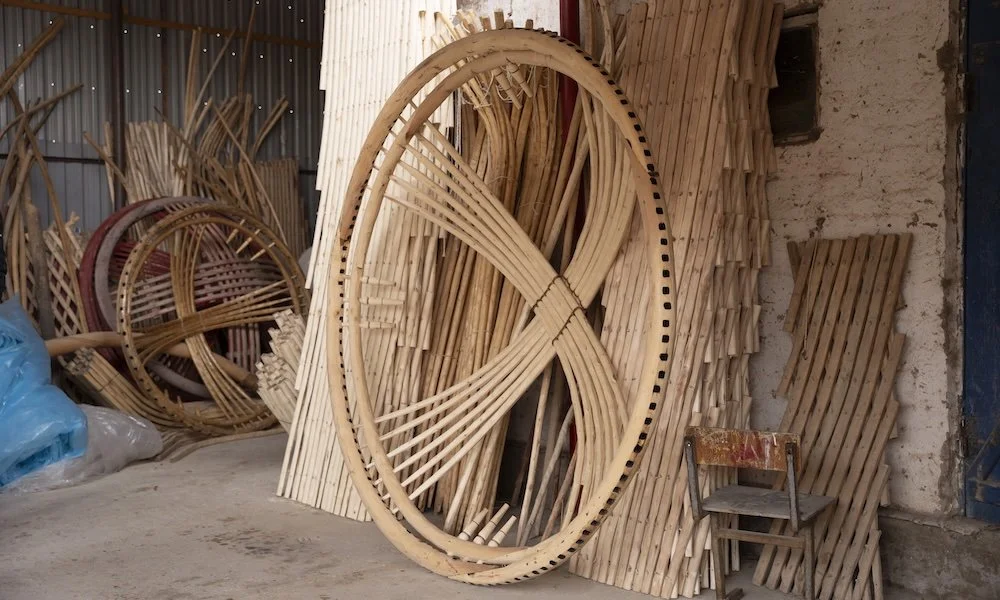
Yurts workshop. Photo Courtesy of ACDF
Food, Water, and New Ways of Living
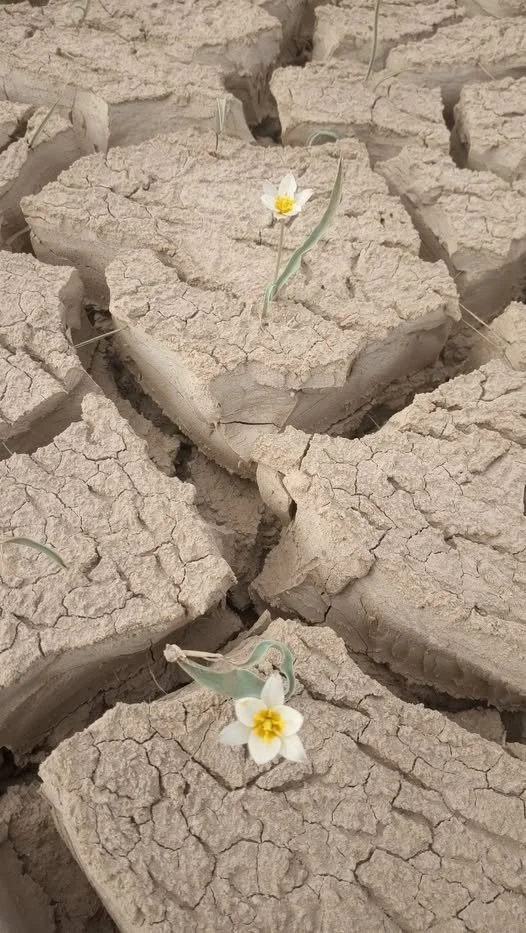
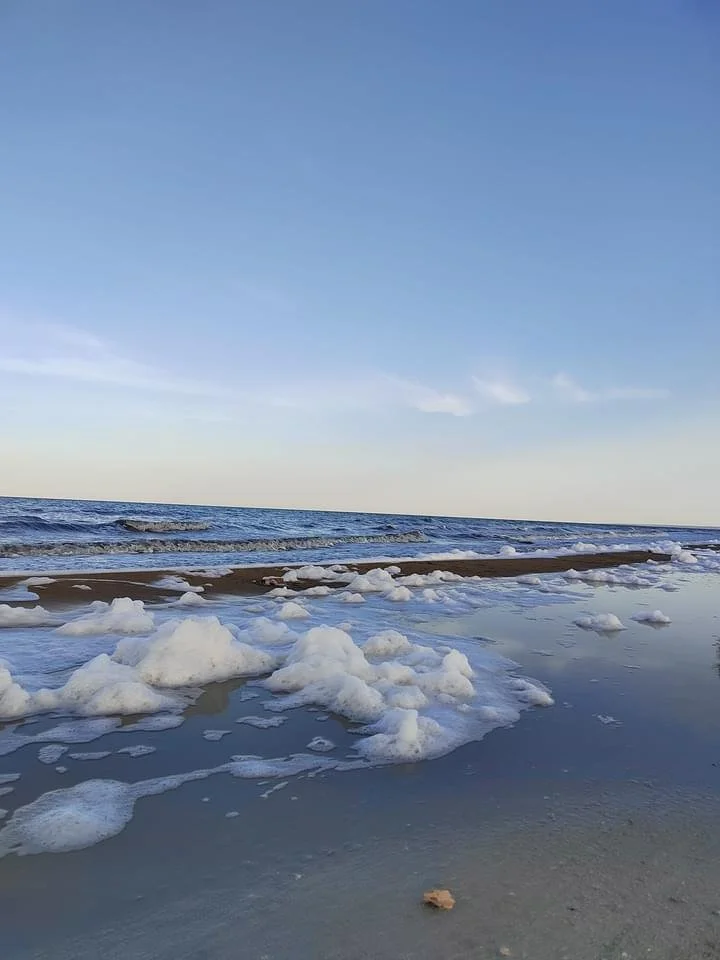
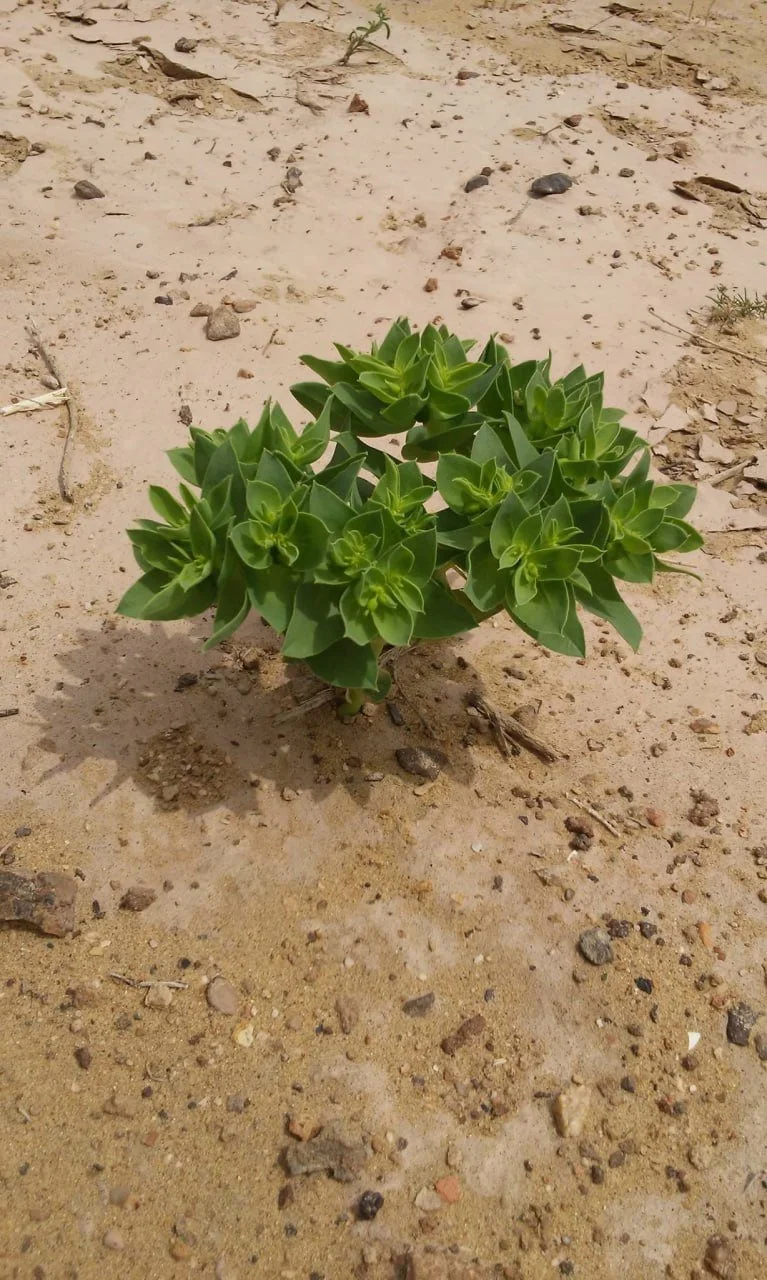
The school’s pilot edition, running from January to June 2026, will focus on two essentials: food and water. Two teams of postgraduate students—ten international and ten local and regional—will work alongside expert mentors to prototype real solutions.
Boelen has developed a distinctive four-step bioregional method that will guide the process:
Identify overlooked local resources.
Connect them through design and prototyping.
Implement solutions with communities on the ground.
Share this knowledge globally, so lessons travel beyond Karakalpakstan.
The ambition isn’t abstract. By mid-April 2026, the students will present their progress at Salone del Mobile in Milan, offering the global design community a preview of how education can re-root itself in ecological repair. Later that year, the next Aral Culture Summit will host an exhibition and publication reflecting on the school’s journey. Crucially, the results—whether they are food systems, water management tools, or cultural practices revived—are not destined to sit in archives, but to be integrated back into the ecology and everyday lives of Karakalpakstan.
Why This Matters Beyond Uzbekistan

Muynaq. Aral Culture Summit 2025. Photo courtesy of Iwan Baan and ACDF
The ecological wounds of the Aral Sea are stark, but they also act as a mirror. Around the world, communities are grappling with disappearing resources, fragile food systems, and cultural erosion. What makes the Aral School unique is its positioning at the intersection of ecology, design, and community life. It is not just about repairing a broken ecosystem—it is about creating a template for resilience that can travel to other places facing their own crises.
And so the invitation goes out: an open call for postgraduates across disciplines to take part in this experiment. Applications for the pilot programme close on 5 October 2025.
The Aral School reminds us that even from ecological devastation, new seeds of learning—and perhaps of healing—can take root. From the dried seabeds of Karakalpakstan, a new classroom for the future is about to begin.
Hero picture: Photo Courtesy of Iwan Baan