Open Storage, Open Secrets: Herzog & de Meuron Let Hong Kong Into the Workshop
The firm that built M+ hands over its sketchbooks. Discretion, it turns out, was never the point.
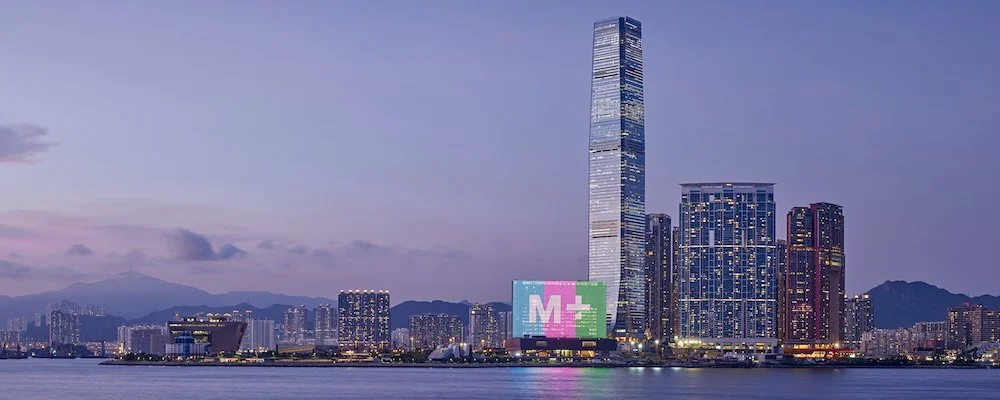
There is a particular kind of vertigo that comes from standing inside a building and looking at a model of the building you are standing in. This September, M+will induce that vertigo on purpose. ‘Herzog & de Meuron: In Focus’ marks the museum's fifth anniversary by turning the lens back on the architects who gave it its shape in the first place, and by extension, on themselves.
The Studio That Became the Subject
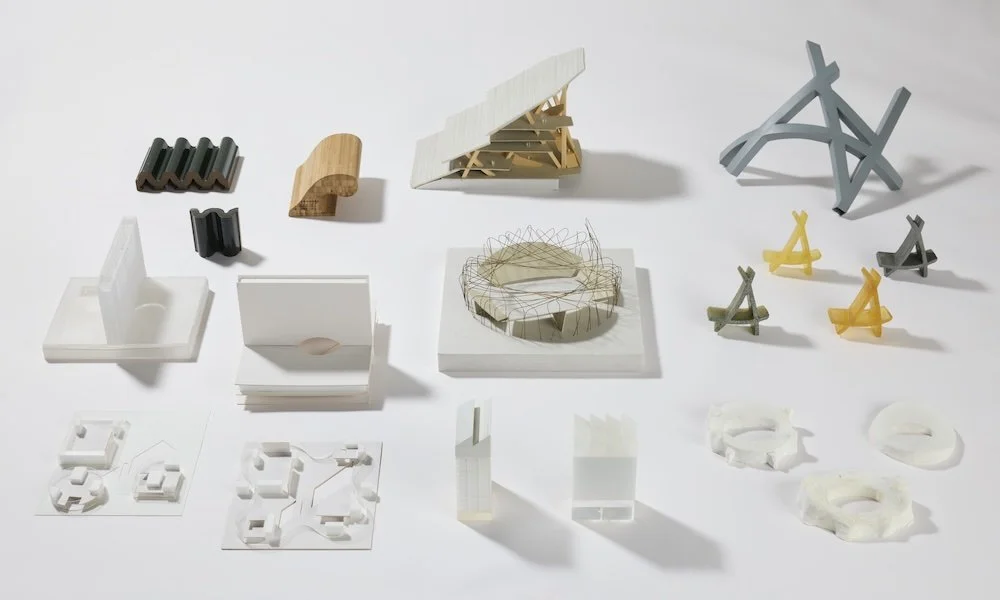
The premise is elegantly self-referential. M+ was designed by Herzog & de Meuron . M+ is also, increasingly, a repository for Herzog & de Meuron's own thinking, models, sketches, prototypes, and process material now entering the museum's permanent collection in a second major donation from the firm. But rather than treat this as an act of institutional flattery, the exhibition uses it as an excuse to ask a more interesting question: what does two decades of a single architecture practice's engagement with one country actually look like, materially, before it hardens into buildings?
Twenty Years, Ten Projects, One Bird's Nest
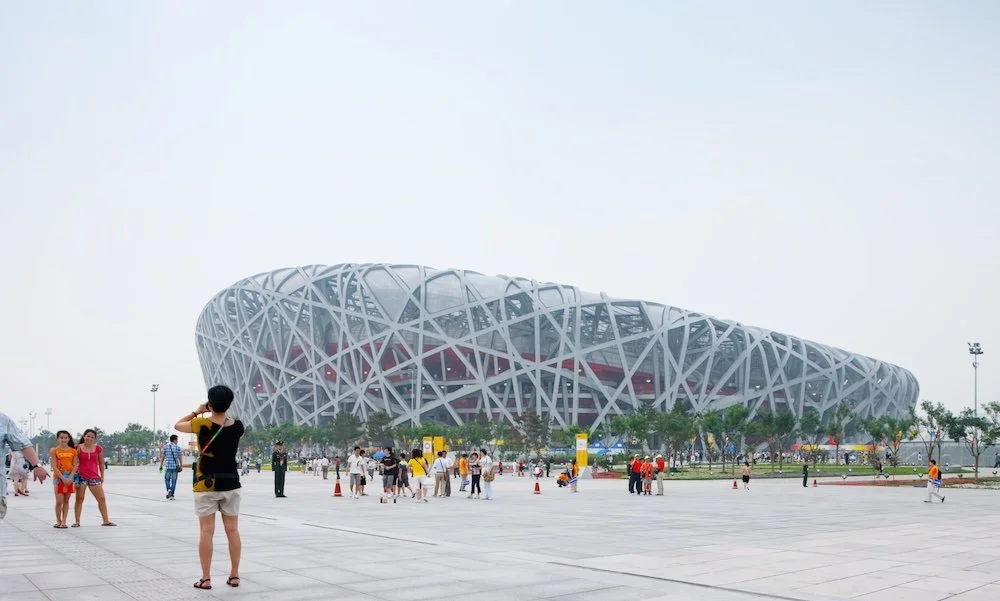
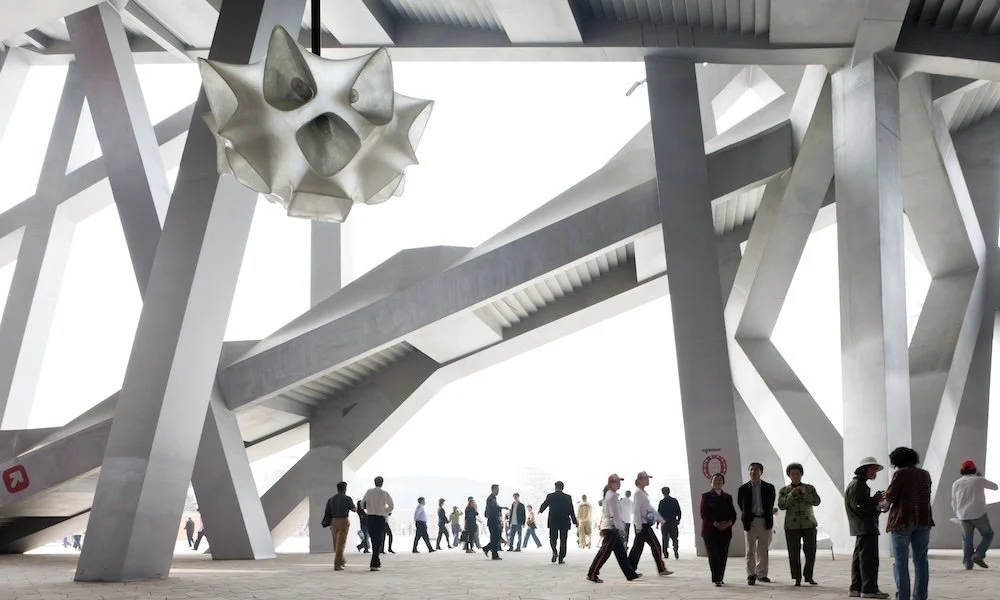
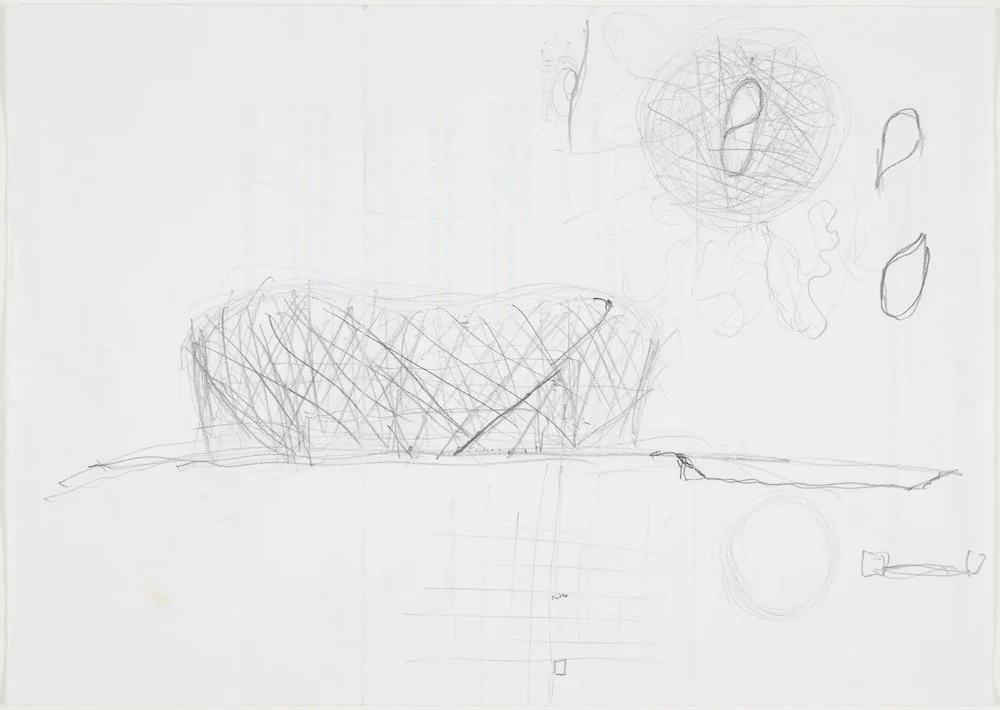
Ten projects across China, from 2002 to 2021, do the answering. The National Stadium in Beijing, universally known as the Bird's Nest and about as far from anonymous as architecture gets, sits alongside Tai Kwun in Hong Kong and M+ itself, but also alongside unbuilt work, which is where things get genuinely interesting.
Built work tells you what a practice achieved; unbuilt work tells you what it was thinking. Showing both, in the same room, is a curatorial choice with some nerve to it.
A Small Basel Confession
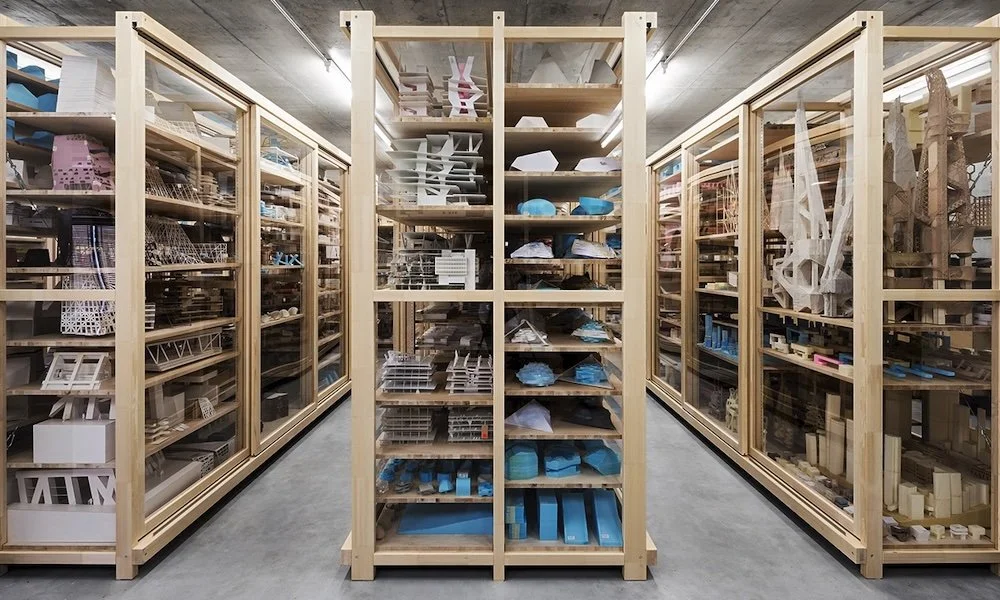
Interior view of the Kabinett © Jacques Herzog und Pierre de Meuron Kabinett, Basel. Photo: Iwan Baan, 2015
The display strategy borrows from the Kabinett, the foundation Jacques Herzog and Pierre de Meuron established in Basel in 2015 to hold the firm's own archive and here is where I shall admit a bias I cannot quite shake. I lived in Basel briefly, for a few strange months that happened to coincide with the merger of Swiss Bank Corporation (SBS) and UBS, which is to say I watched a city quietly absorb a piece of its own financial history changing hands almost overnight, with the same unbothered precision it applies to everything else.
But there was one week a year when that famous Basler composure went entirely out the window, and my SBS colleagues went with it. Basel's Fasnacht is not, whatever the tourist board might imply, a jolly Rhineland carnival with confetti. It runs on ferocious discipline and even fiercer secrecy: the cliques rehearse their satirical Sujets (the year's chosen targets, skewered in verse, lantern, and costume) for months behind closed doors, and the entire spectacle detonates at four o'clock in the morning with the Morgenstreich, when every streetlight in the old town goes dark and hundreds of illuminated lanterns move through the streets to the sound of drums and piccolos, and not a single soul who is not marching is meant to know what is coming. My proper Basler management at SBS took this more seriously than most quarterly results.
Cliques are not a hobby in Basel; they are closer to a second, parallel civic identity, and belonging to the right one says as much about a person as their job title does, arguably more.
The Architects Who Once Ran With a Clique
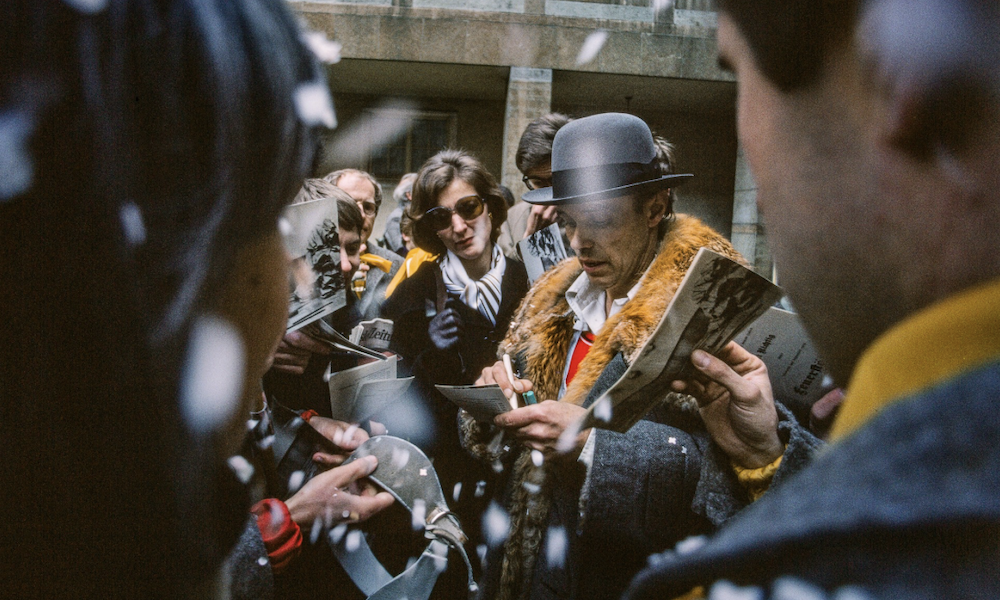
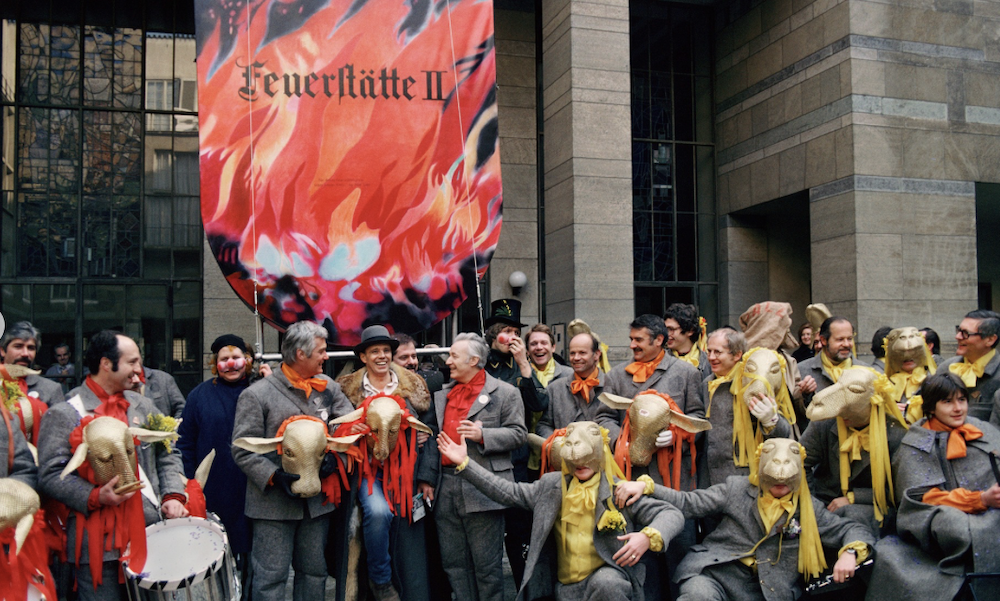
Which brings me, by the most Basel route imaginable, back to Herzog & de Meuron. Long before either man had built so much as a stadium, they were young members of the Fasnacht clique Alti Richtig, and in 1978 they pulled off one of the more delicious footnotes in the city's cultural history. The Kunstmuseum Basel had just paid a small fortune for a Joseph Beuys installation called Feuerstätte, and Basel, true to form, did not take the acquisition quietly; it became the subject of a proper public row. Herzog and de Meuron, spotting an irresistible piece of material, proposed the row itself as that year's clique Sujet, and then simply rang up Beuys and asked him to help. He said yes.
The result was a procession of drummers and pipers in felt suits modelled on his own work, copper rods in hand, which folded back into a fresh Beuys piece, Feuerstätte II, performed live in the museum's courtyard. It is worth being precise about what this was and was not: Herzog and de Meuron were clique members with a good idea and an artist's phone number, not office-holders or lifelong leaders of Alti Richtig, and the stunt was very much of a moment rather than an ongoing role. But it is hard not to read it as an early rehearsal of exactly the sensibility M+ is exhibiting now.. Take an institution's material, take it seriously, and stage it in the open rather than behind glass. Basel does not do drama, except, evidently, once a year, at four in the morning, by design.
The rest of the time it does craft, discretion, and a startling density of world-class architecture per square kilometre, and Herzog & de Meuron are very much the civic jewel in that crown, the local firm that went on to design the Elbphilharmonie, Tate Modern, the Prada building in Aoyama, and, not incidentally, the museum currently exhibiting them. Watching that Basel sensibility, open storage, archival transparency, the vitrine as a form of intellectual honesty, get reconstructed inside a Hong Kong gallery feels less like an import and more like a homecoming with better air conditioning.
The Vitrine as a Form of Honesty
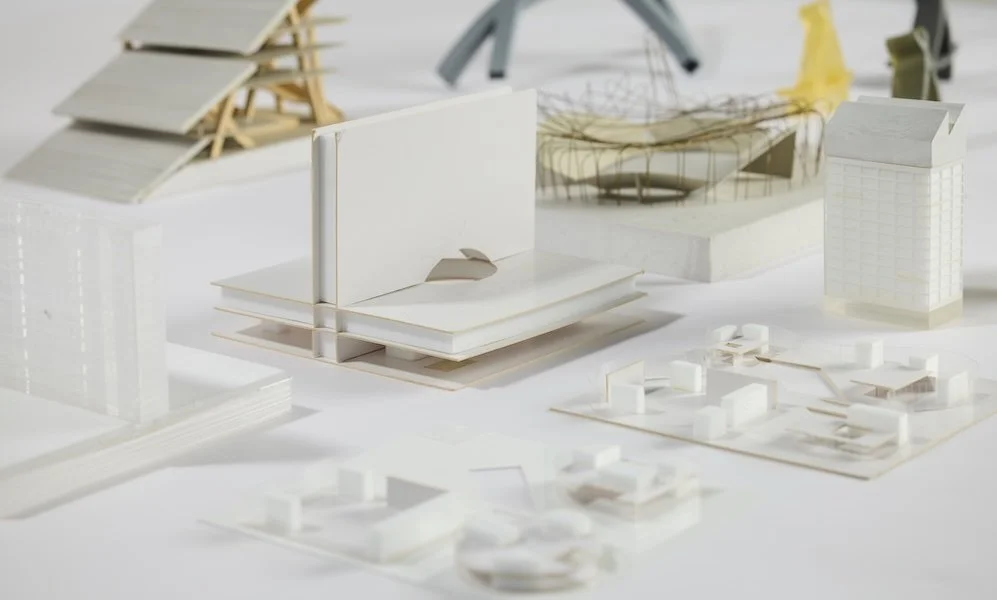
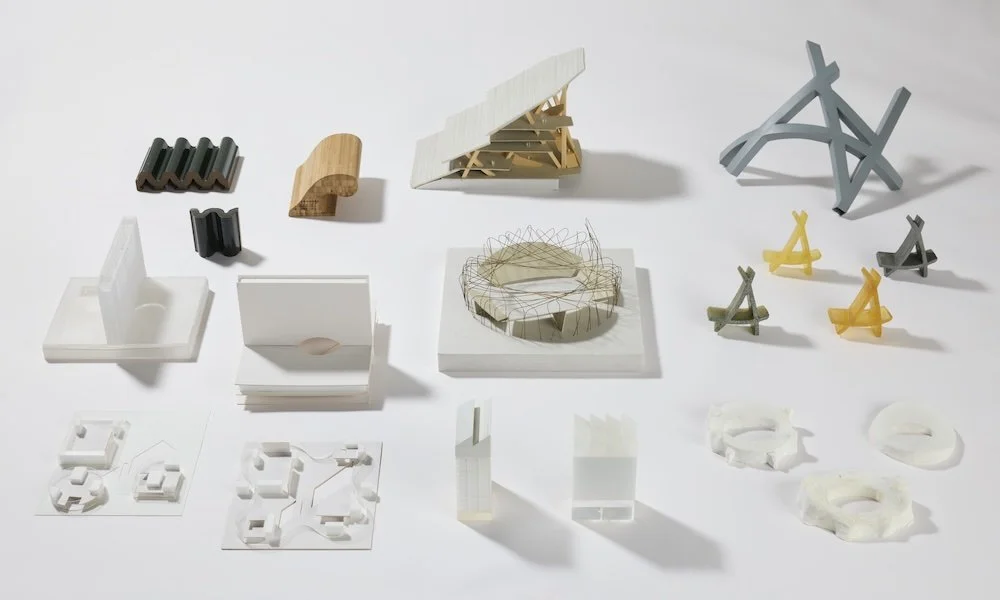
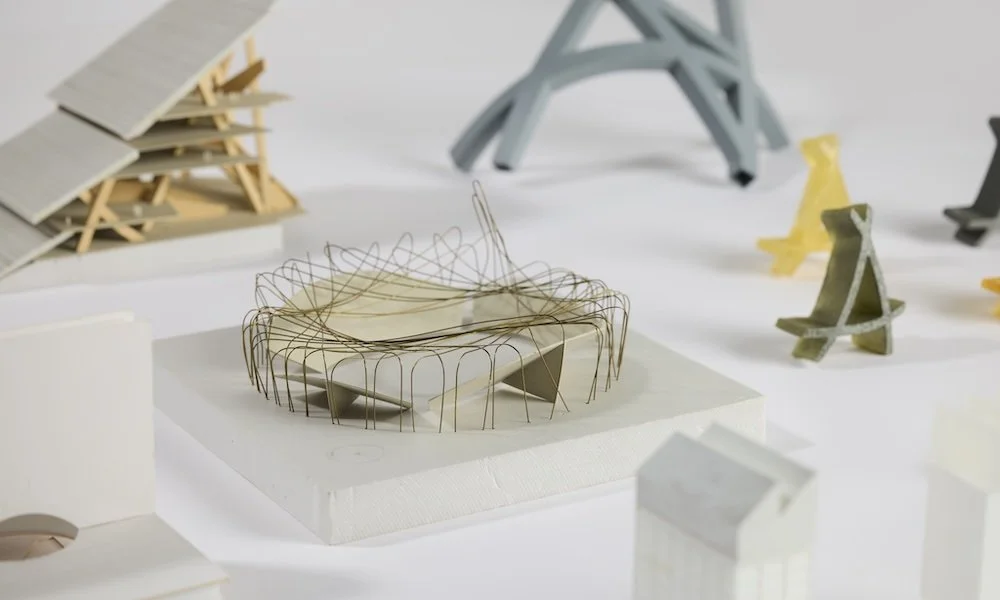
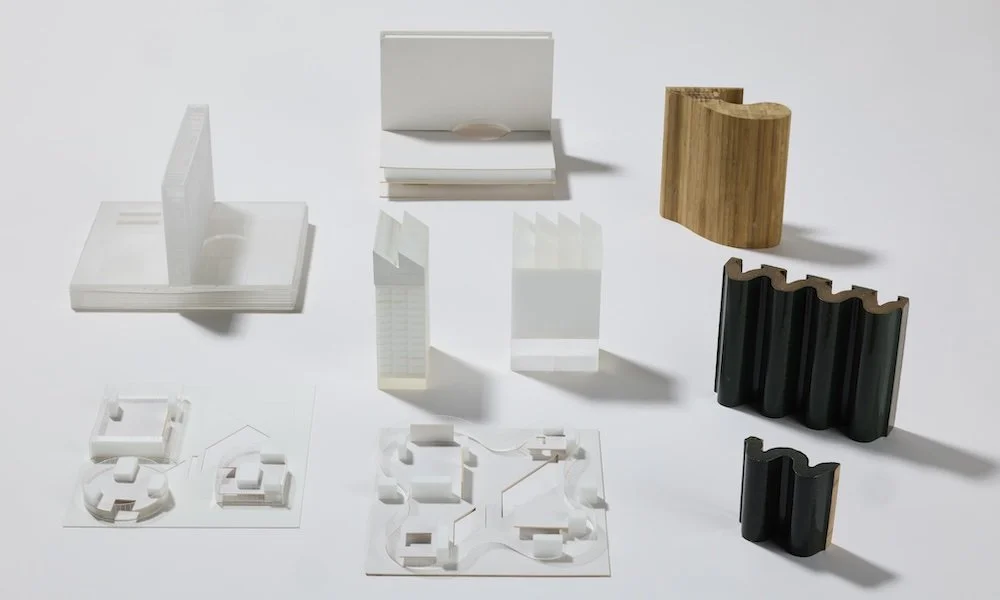
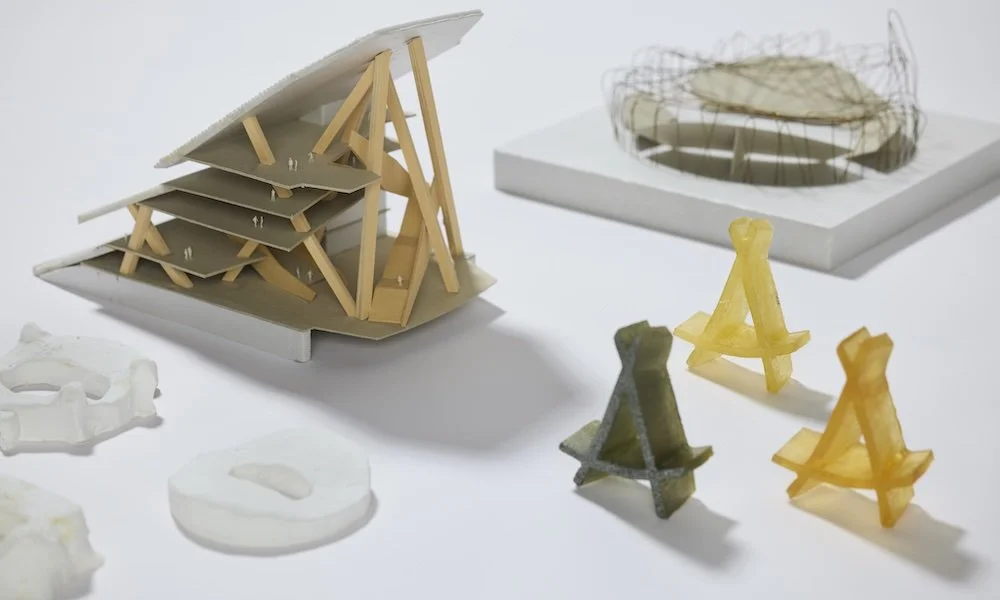
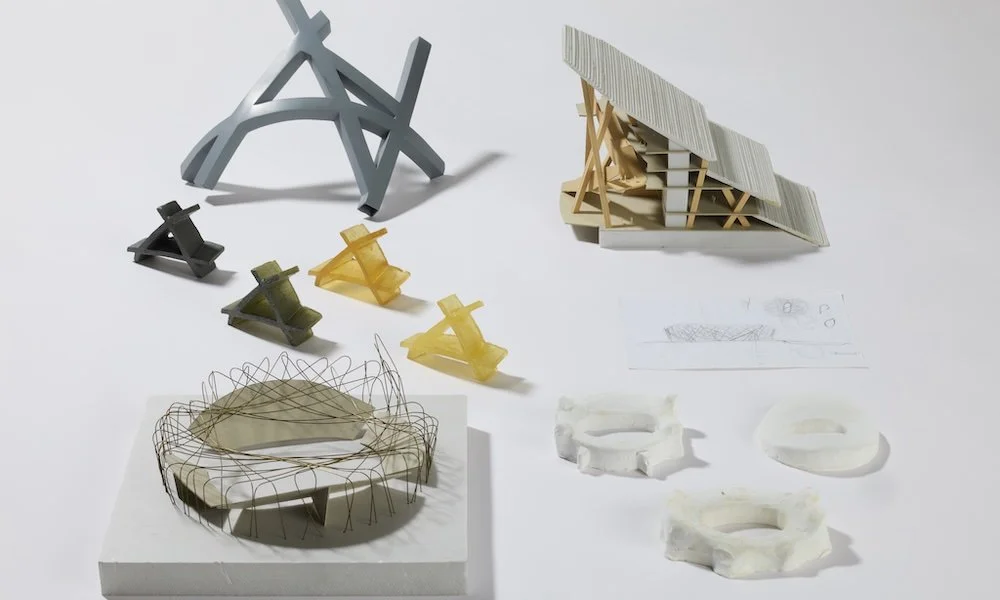
The vitrines themselves, replicated from the firm's Basel storage, are doing real curatorial work here. Open storage is a display philosophy with a point of view: it refuses the polish of a finished object and insists instead on showing the mess — the failed iteration, the material test, the sketch that did not survive contact with a client meeting. For an exhibition explicitly framed around "process," that's not decoration, it's the argument. Senior Curator Ikko Yokoyama describes wanting visitors to trace the "experimentation and decision-making behind each work, from early ideas to built form", and putting two hundred-plus objects into vitrines designed for research rather than reverence is how you actually deliver on that, rather than just saying it in the wall text.
China, Twice Over
What I find most persuasive about the premise, though, is the twenty-year window itself. Architecture criticism loves a single hero building; it is much rarer to get a firm's sustained, evolving relationship with one country's urban transformation laid out project by project, decade by decade. China in 2002 and China in 2021 are not remotely the same design context, and a practice that stayed engaged across that entire arc, through stadiums, museums, city master plans, has effectively produced an unintentional record of how a place changed, refracted through one studio's shifting instincts about site and material.
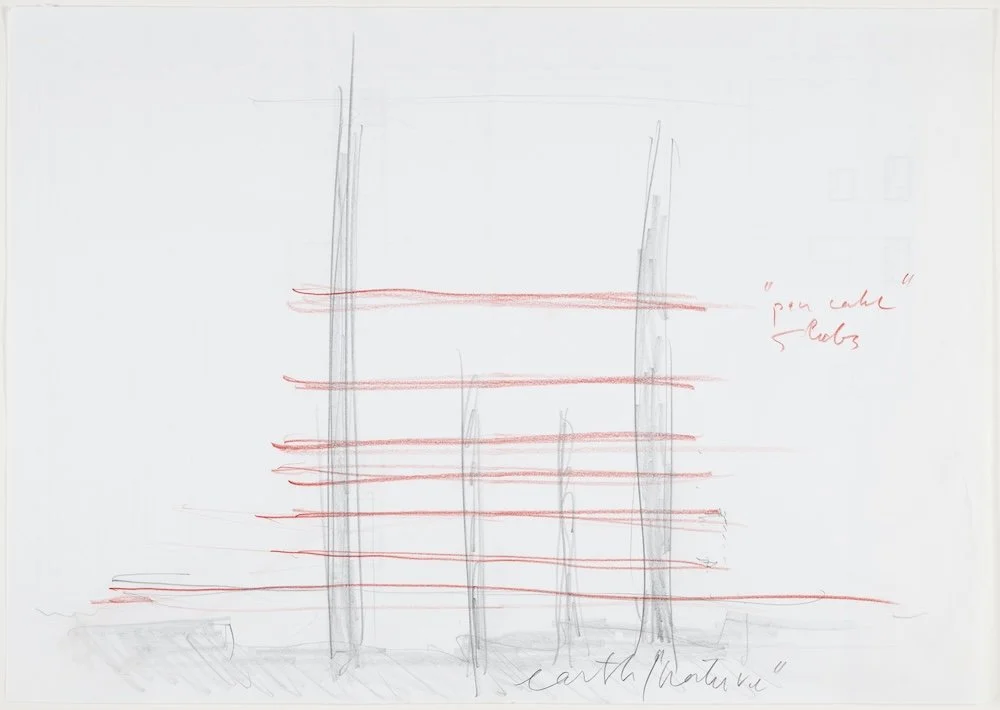
Jacques Herzog Concept sketch, M+ (2012–2021), Hong Kong © Jacques Herzog und Pierre de Meuron Kabinett, Basel. Image courtesy of M+, Hong Kong
Herzog & de Meuron: In Focus is on at the M+ Focus Gallery, 12 September 2026 through 10 January 2027, curated by Ikko Yokoyama with Iris Ng.