Life of Forms: AlUla Lands in the Marais
A desert exhibition lands in the heart of the Marais this September, as AlUla and Lafayette Anticipations pair centuries of Saudi craft with contemporary French collecting — proof that sand and concrete have more in common than the map suggests.
Paris in September has a way of absorbing everything thrown at it, another opening, another vernissage, another queue for the same three croissanteries. So when a desert two thousand kilometres away decides to make its Parisian return, it needs more than a good press release. It needs a landlord willing to hand over the keys to one of the city's strangest buildings, and a reason for anyone to look up from their phone.
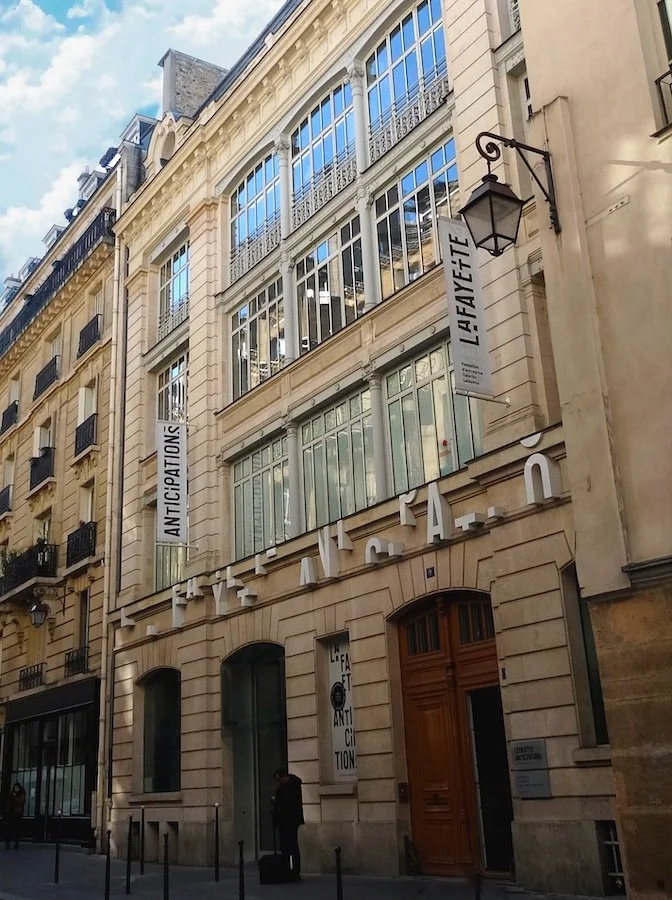
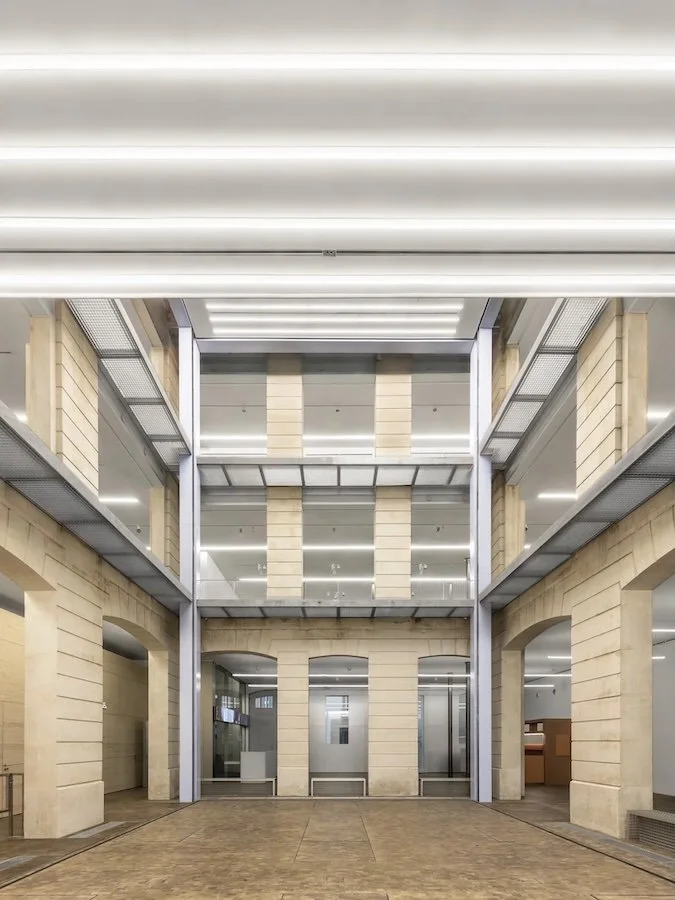
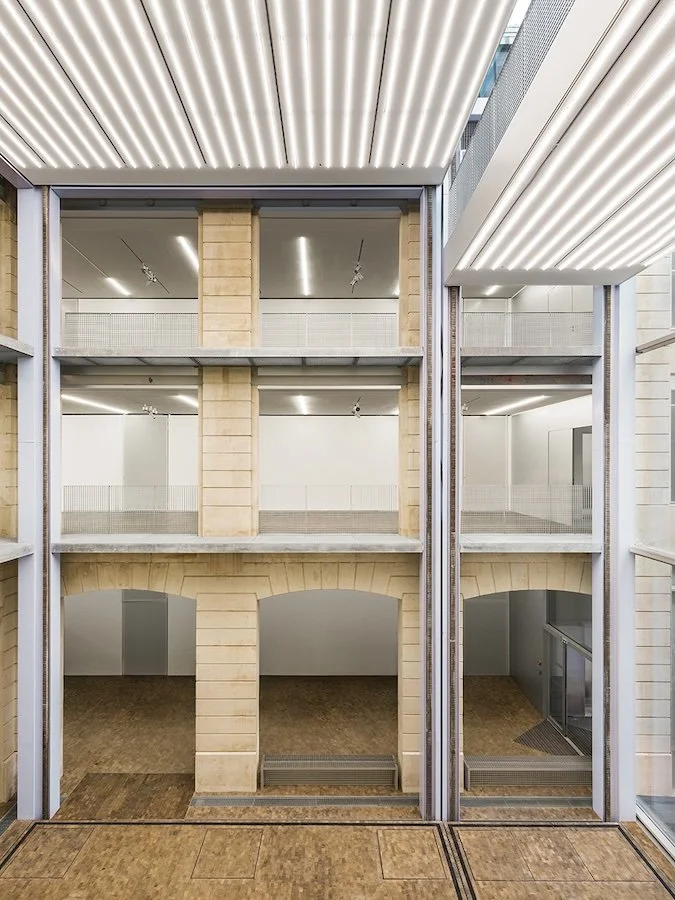
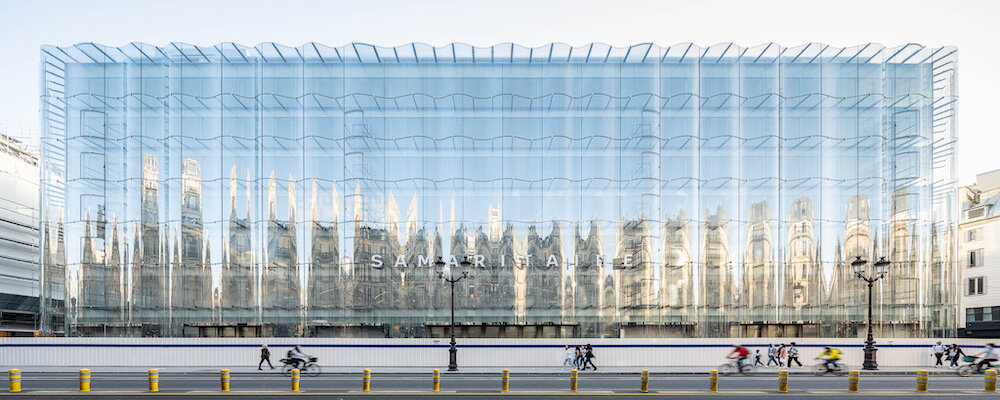
Enter Life of Forms, opening 8–13 September at Lafayette Anticipations, the Rem Koolhaas-designed shape-shifter tucked into the Marais, where the floors move and the art is expected to keep up. It marks the return of AlUla's Cultural Season in Paris, a rolling programme that will also touch Art Basel Paris and the Institut du monde arabe over the following weeks, and it arrives with an impressive list of collaborators: Arts AlUla, Design Space AlUla, AFALULA, and Villa Hegra, the young Saudi-French institution that has spent the past year proving AlUla is not merely a backdrop for photographs of rock formations.
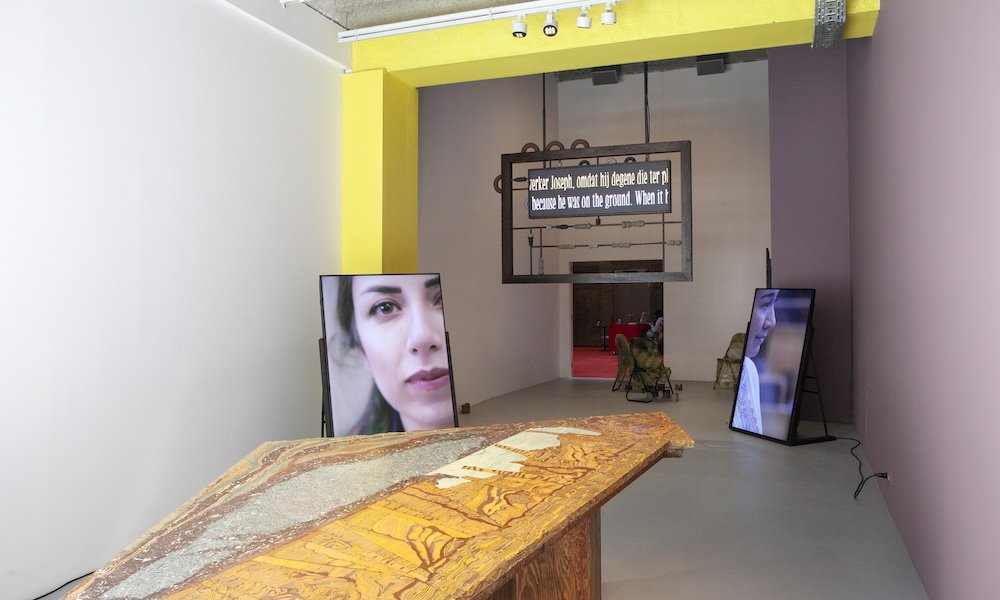
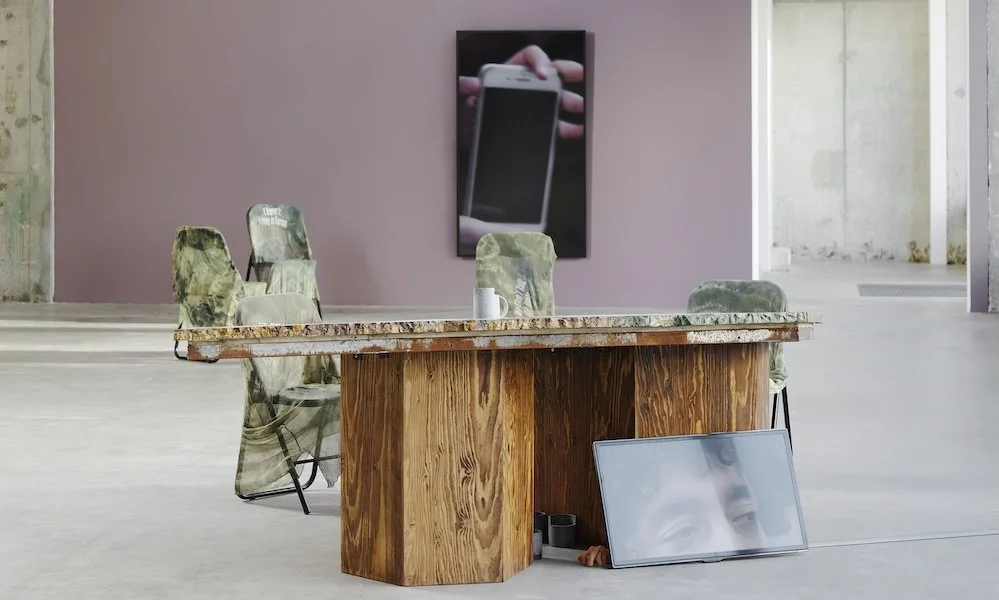
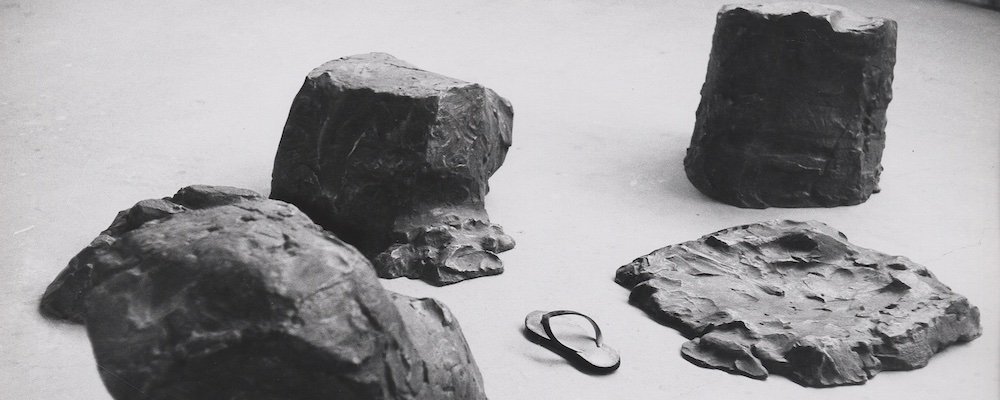
The premise is disarmingly simple. Take design pieces that have emerged from AlUla's residency programmes, work steeped in palm weaving, mud-brick, perfumery, stone, and set them alongside a selection from the Collection Lafayette Anticipations, the in-house holding built by the Fonds de dotation Famille Moulin. Let contemporary art and design, two disciplines that spend most exhibitions politely avoiding each other, actually share a room.


Clément Delépine, Director of Lafayette Anticipations, and Arnaud Morand, Head of Art and Creative Industries at AFALULA, co-curate alongside Ali Alghazzawi of the Royal Commission for AlUla and Emily Marant of Studio Marant. Between them, they have resisted the temptation to simply line up objects on plinths. What they are proposing instead is closer to a landscape than a collection, a set of situations to move through, materials to actually handle, and a loose homage to Louis Sullivan's old maxim that form follows function, before politely disagreeing with it. The show is less interested in function versus autonomy than in the murkier territory between the two: the point where an object stops being merely useful and starts, almost, breathing.
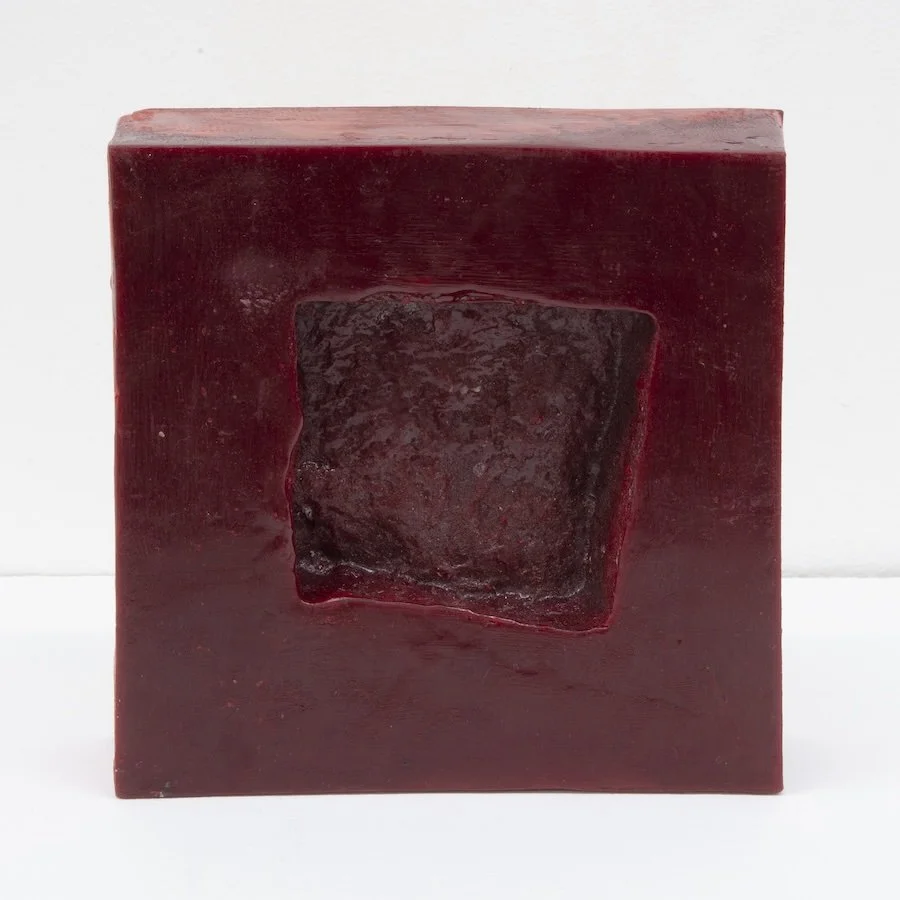
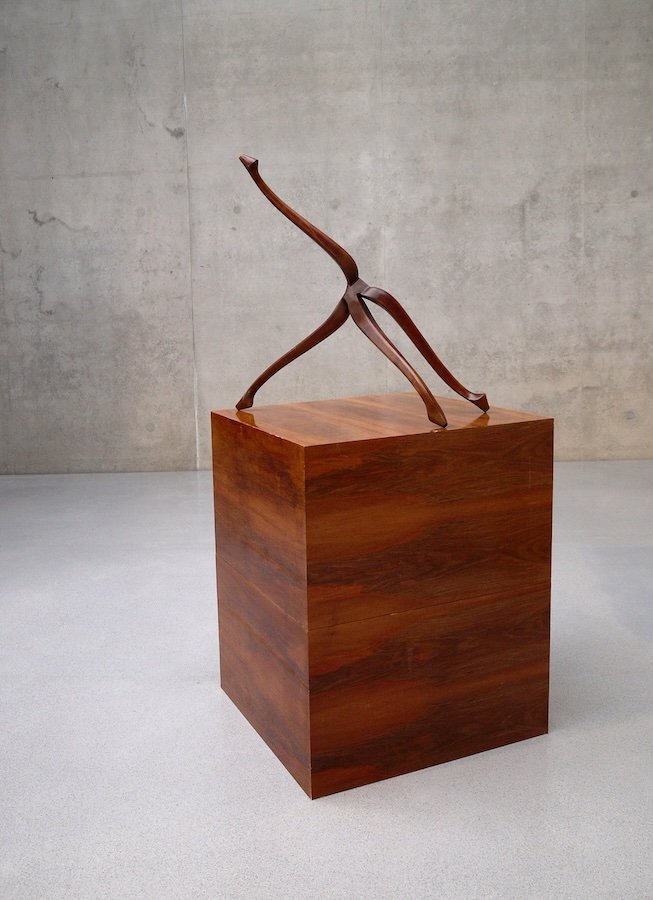

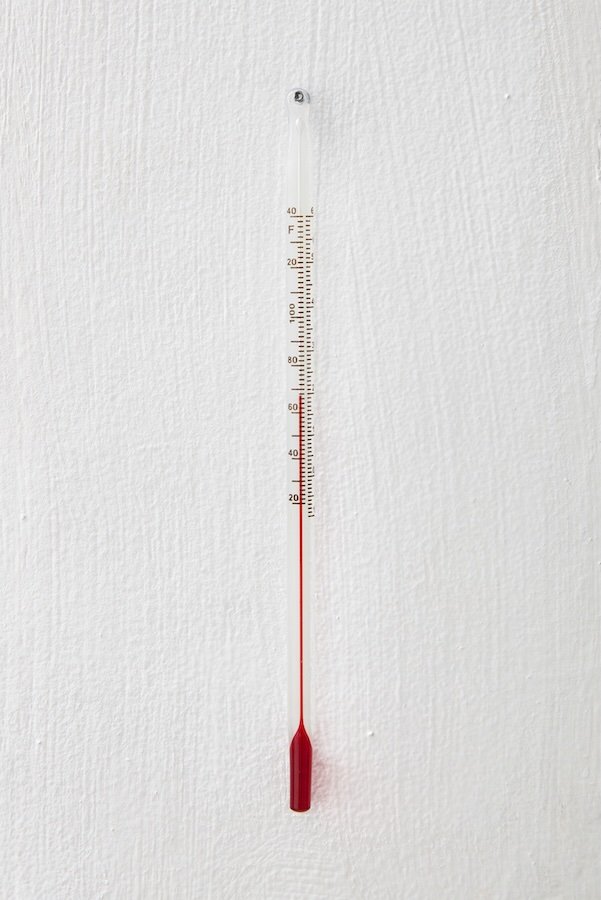
That idea of the almost-living object runs through the whole exhibition, borrowed in spirit from Tim Ingold's writing on making and Jane Bennett's "vibrant matter", the notion that things are not fixed but are shaped continuously by the hands, histories and ecologies that pass through them. It's a generous way to think about design, and it suits AlUla rather well: a place, as the organisers put it, that has spent millennia absorbing traders, carvers and travellers, and turning all of it into landscape.

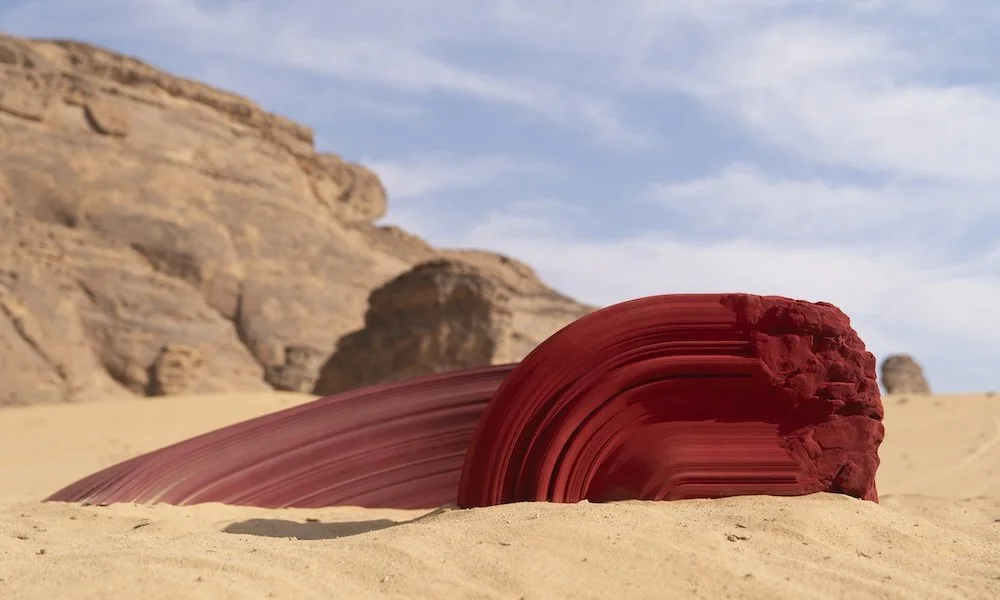
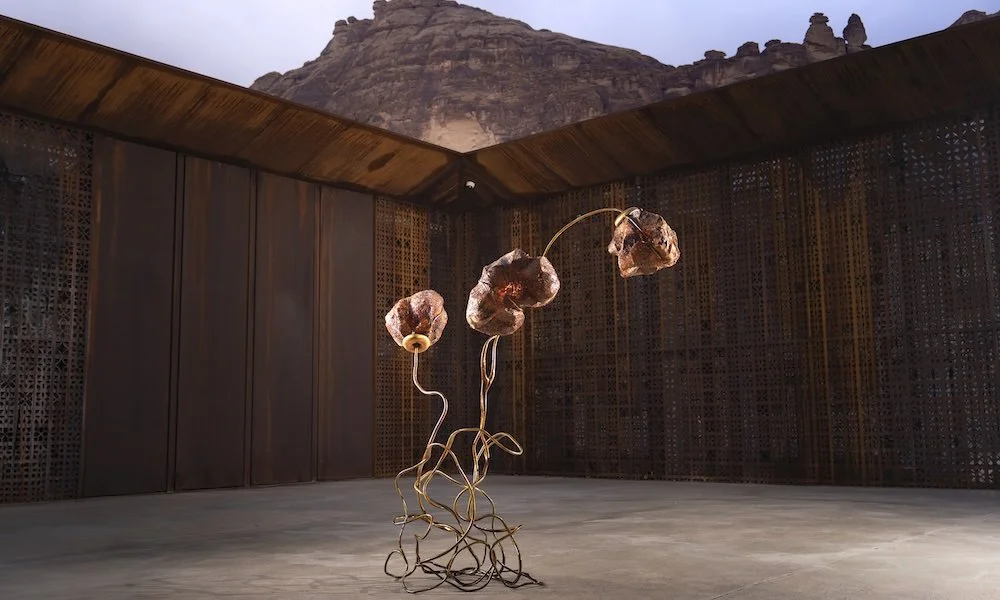
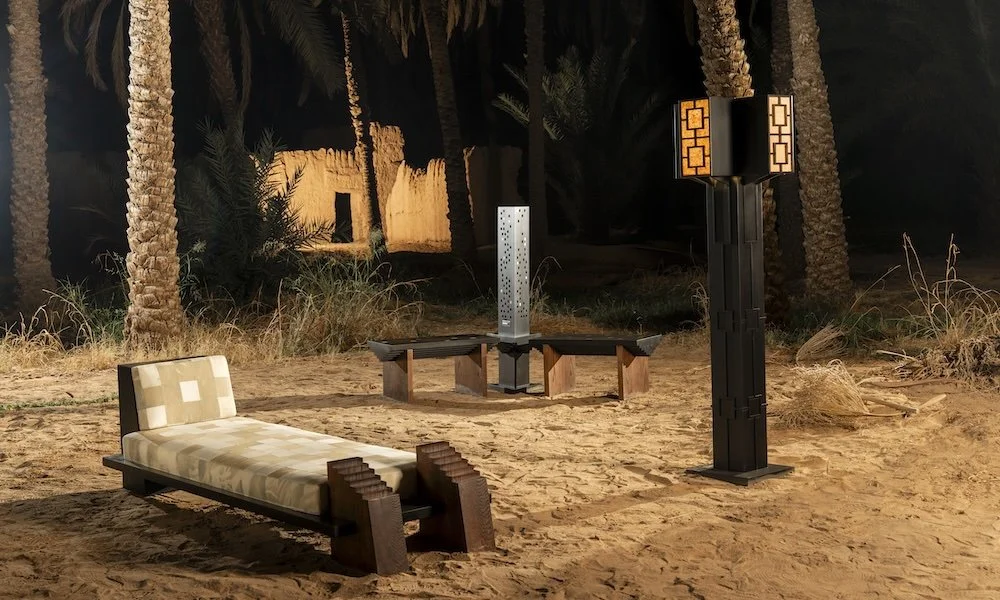
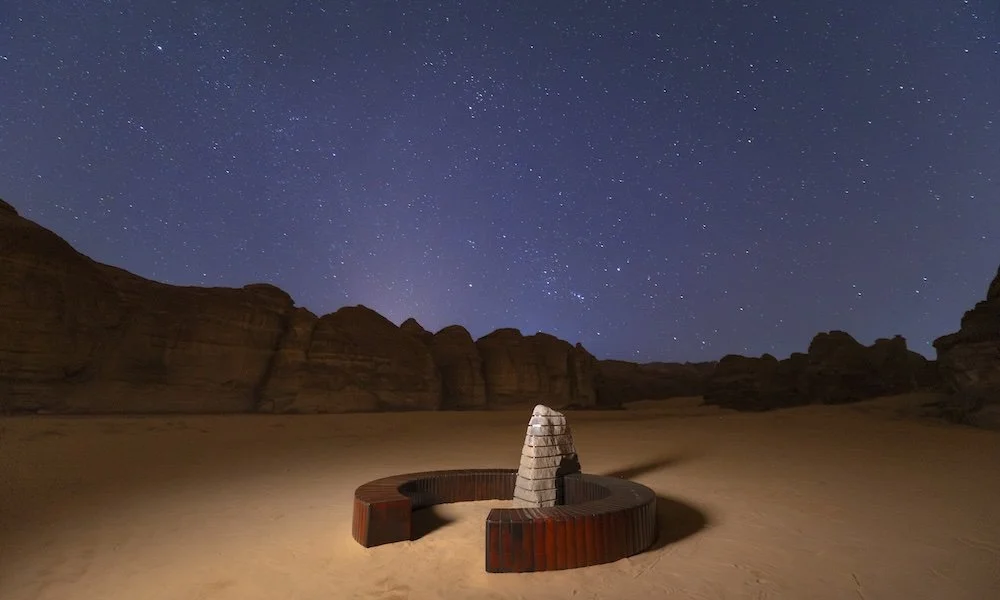
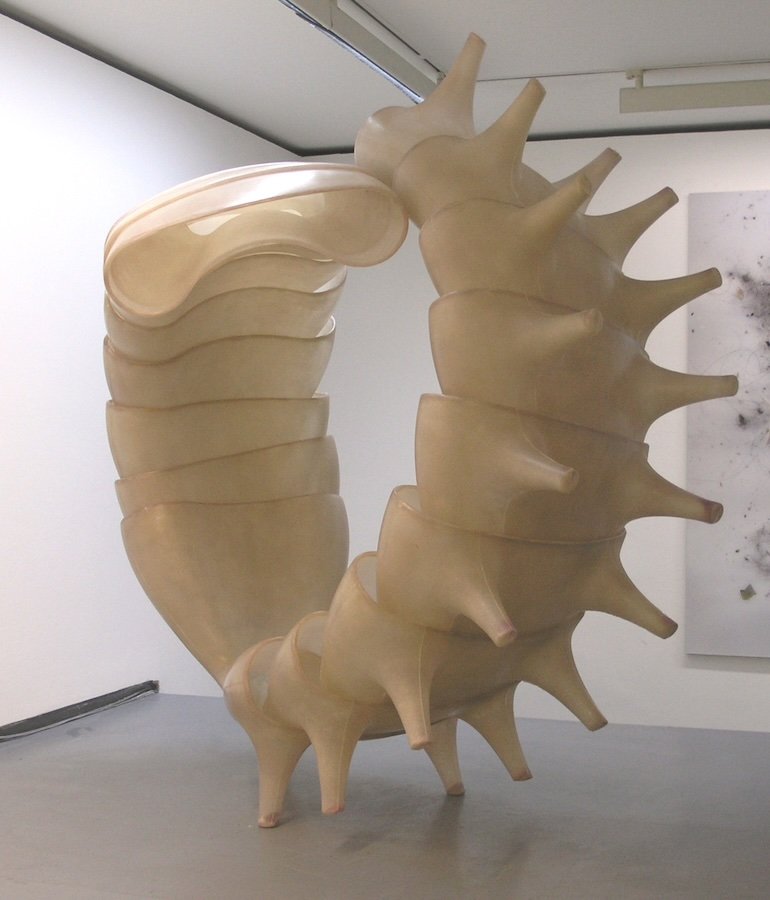
The AlUla contingent brings genuine range. Altin works with palm ecosystems and sa'af weaving as a form of collective authorship; Aseel Alamoudi treats design as civic infrastructure; Paul Ledron builds atmosphere out of Hejazi perfumery traditions, bakhoor and 'ūd. Paul-Émilieu Marchesseau, who completed Villa Hegra's inaugural design residency in 2025, contributes a body of work developed on-site. Ori Orisun Merhav pushes toward post-human, multispecies design; Studio Raw Material and Studio Thusthat bring a more forensic, materials-first sensibility. Set against them: an eclectic roll call from the Fonds de dotation Famille Moulin — Meriem Bennani, Katinka Bock, Lydia Ourahmane, Markus Schinwald and others whose work ranges from multispecies ecosystems to the residues of industrial production.

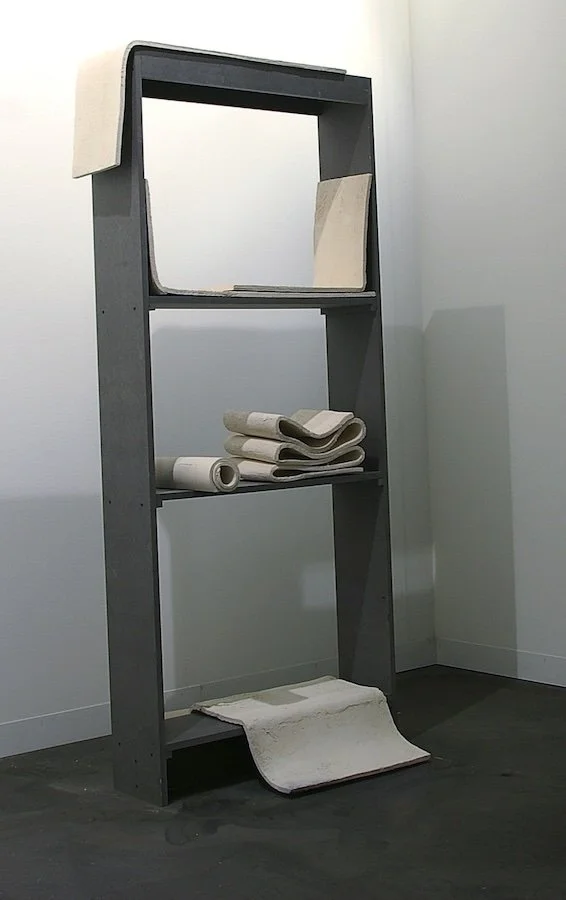
It is a lot to hold in one building, even one with floors that rearrange themselves. But the pairing of AlUla and Lafayette Anticipations makes more sense than it might first appear. Both are institutions built on the idea that production and exhibition shouldn't be separated, that the making of a thing is as interesting as its display. Lafayette Anticipations has treated art and design as equals since it opened its doors in 2018, with research, fabrication and exhibition folded into the very structure of the Koolhaas building. AlUla, for its part, isn't offering a backdrop so much as an entire ecosystem: the living craft school Madrasat Addeera, the AlJadidah Arts District, land art initiatives like Wadi AlFann and Desert X AlUla, a Contemporary Art Museum still taking shape, and archaeological sites, Hegra, Dadan, old enough to make anyone's design references feel recent. One institution just happens to have several thousand years' head start.
Central to the project is Villa Hegra, the first Saudi-French cultural institution based in AlUla itself, which opened in 2025 across more than 2,300 square metres, complete with the region's first indoor cinema and first performing arts studio. It was Villa Hegra's residency programme that hosted Paul-Émilieu Marchesseau, and it's through that same programme, alongside Madrasat Addeera, that most of the AlUla-side work in the show was developed. Villa Hegra now sits within the international residency network Viva Villa, alongside Villa Medici in Rome, Villa Kujoyama in Kyoto and Casa de Velázquez in Madrid, respectable company for an institution barely out of its first year.
Life of Forms is also only the opening act. Over September and October, AlUla's Cultural Season in Paris continues with a presentation of its design initiatives as part of the Institut du Monde Arabe's Design Prize, an installation by Saudi artist Ayman Zedani during Art Basel Paris week, and Villa Hegra's participation in Asia Now. Taken together, it is a fairly unambiguous statement of intent: AlUla wants to be understood not as a heritage site with good lighting, but as a working part of the international art and design conversation, one exhibition, one residency, one perfumed room at a time.
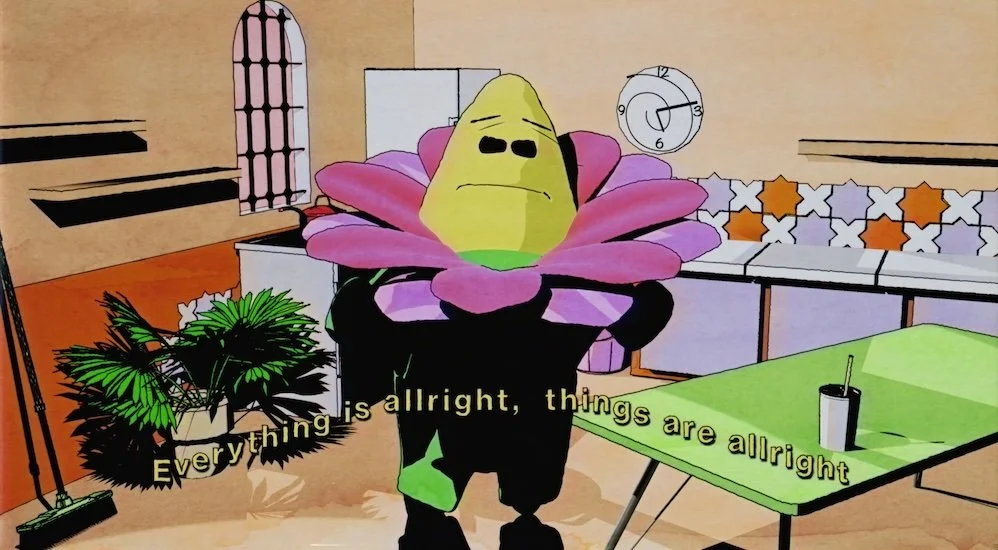
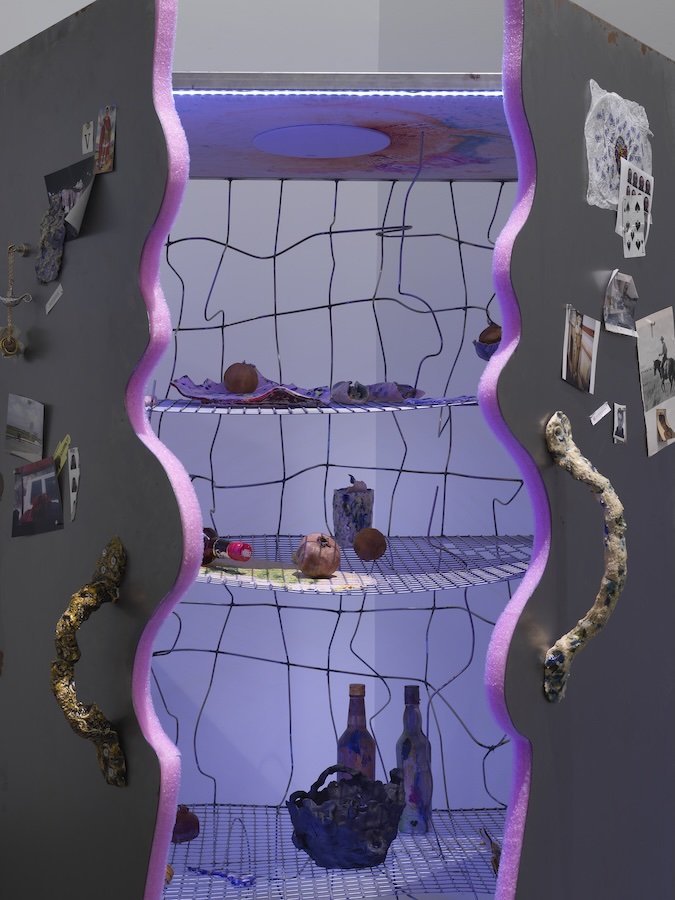
Meriem Bennani, Cursed Objects
Life of Forms runs 8–13 September 2026 at Lafayette Anticipations, 9 rue du Plâtre, Paris 4th. Free admission.
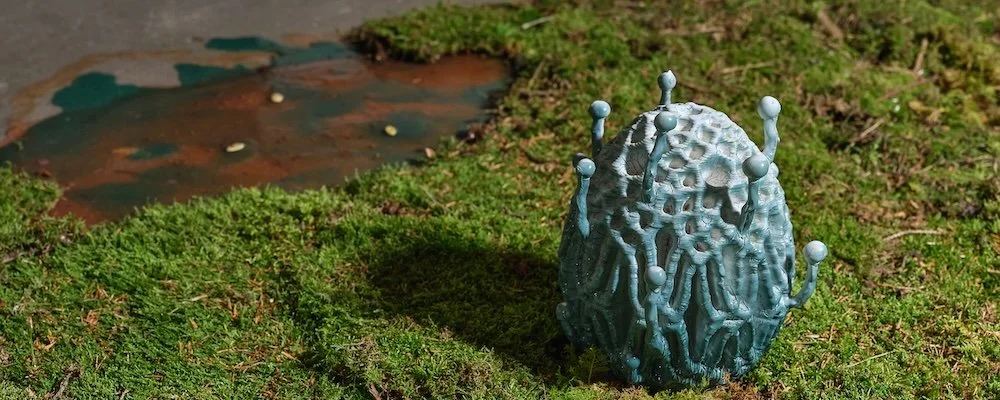
Hero picture: Raphaël Emine, Studies #6, 2024. Céramique, grès émaillé, 24 x 19 x 19 cm. Collection Lafayette Anticipations - Fonds de dotation Famille Moulin © Adagp, Paris, 2026