Pastéis de Belém Reimagined — Contemporary Ode to Craft
A contemporary interpretation of Lisbon’s most beloved bakery, where Gracinha Viterbo blends heritage, craftsmanship, and modern elegance into a timeless new space.
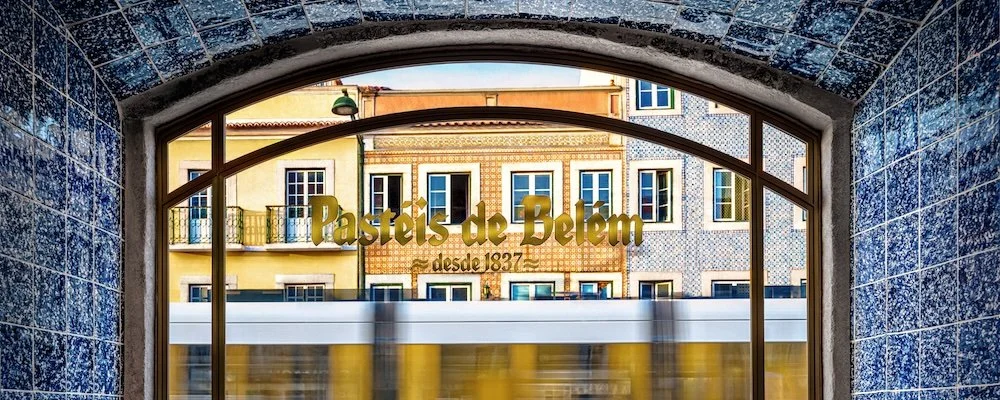
When an institution as storied as Pastéis de Belém — custodian of Lisbon’s famed egg tart since 1837 — invites a designer to extend its presence, the brief is delicate: honour the past, accommodate the present, and speak to the world. Viterbo Interior Design Ateliers, led creatively by Gracinha Viterbo, answered that brief with a quietly confident retail intervention that reads as a contemporary companion to the original shop rather than a pastiche.
A restrained, contemporary language for a national favourite
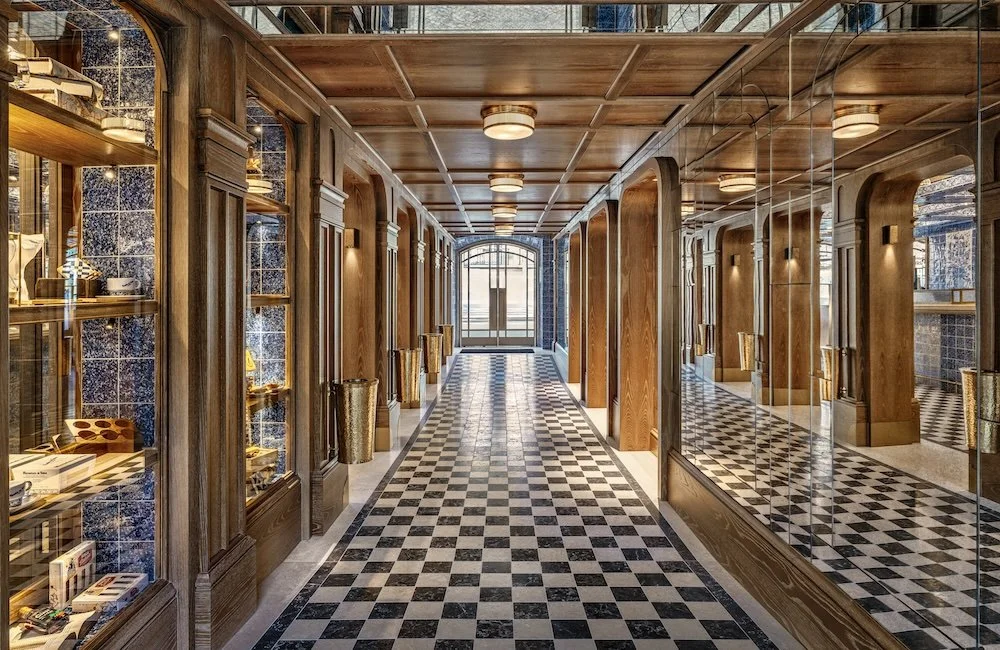

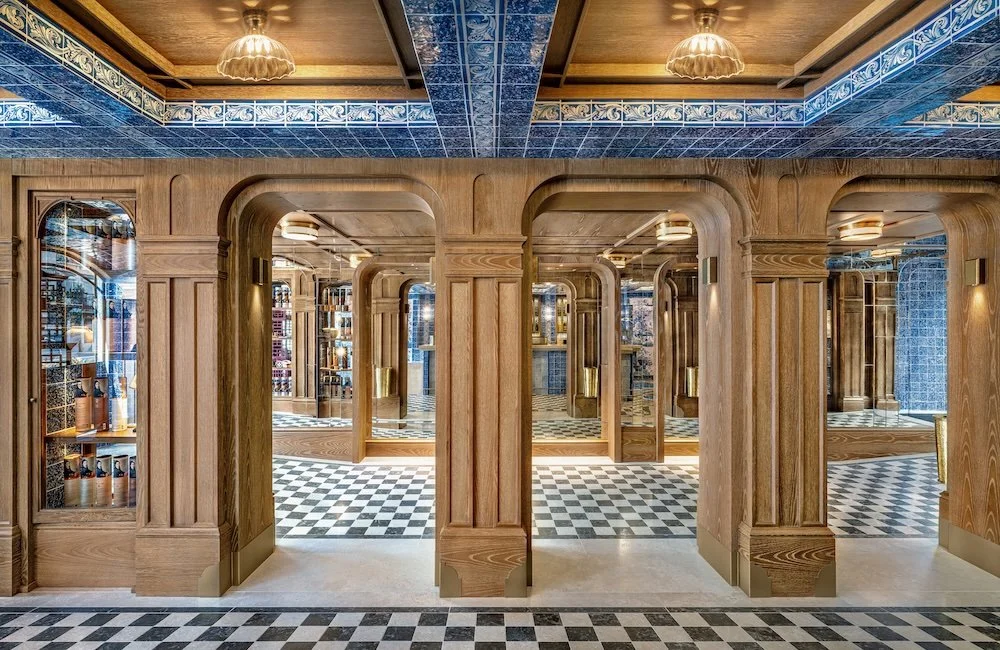
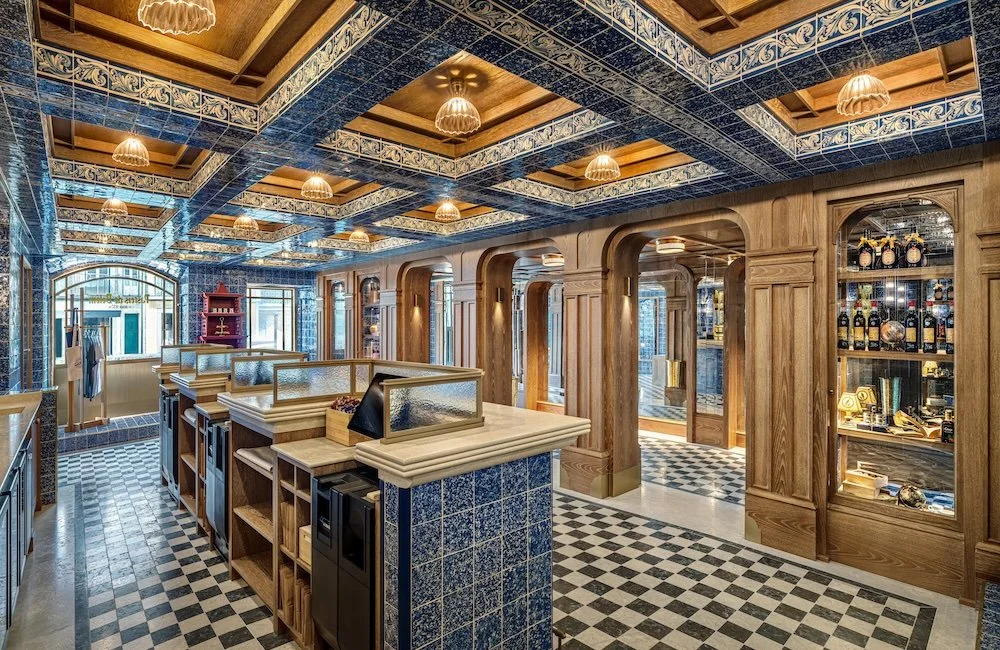
The new retail room sits adjacent to the historic bakery and was conceived to absorb the growing international footfall without diluting the charm of the original space. Viterbo’s approach is recognisably restrained and tactile: a pared-back palette and archival references are layered to produce an atmosphere that feels both intimate and civic — the right tone for a place that functions as everyday ritual and tourist highlight.
Materiality that speaks of craft
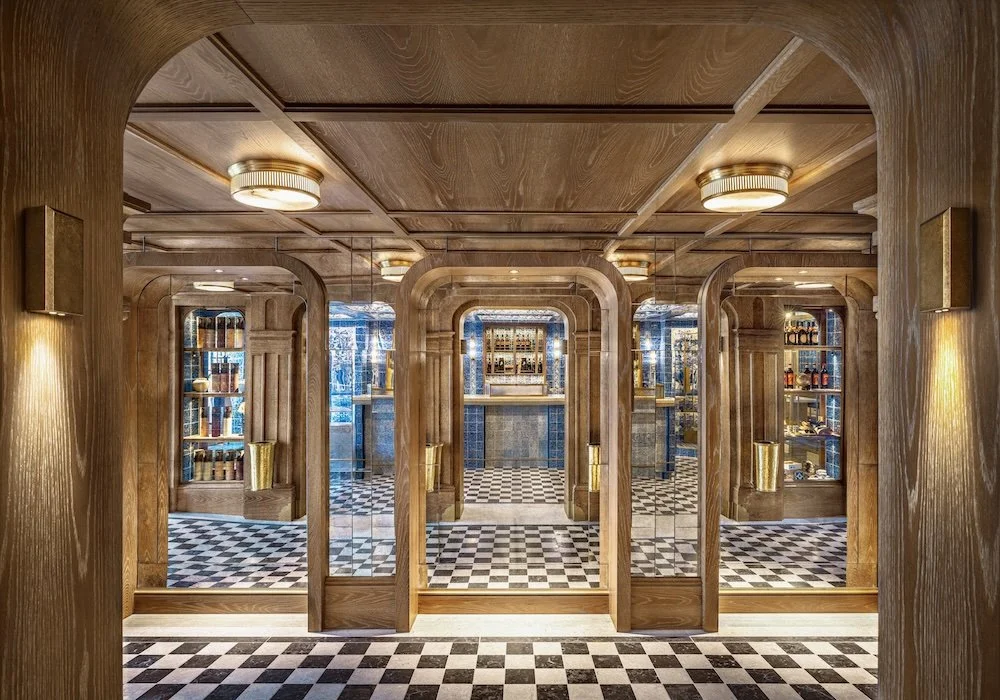
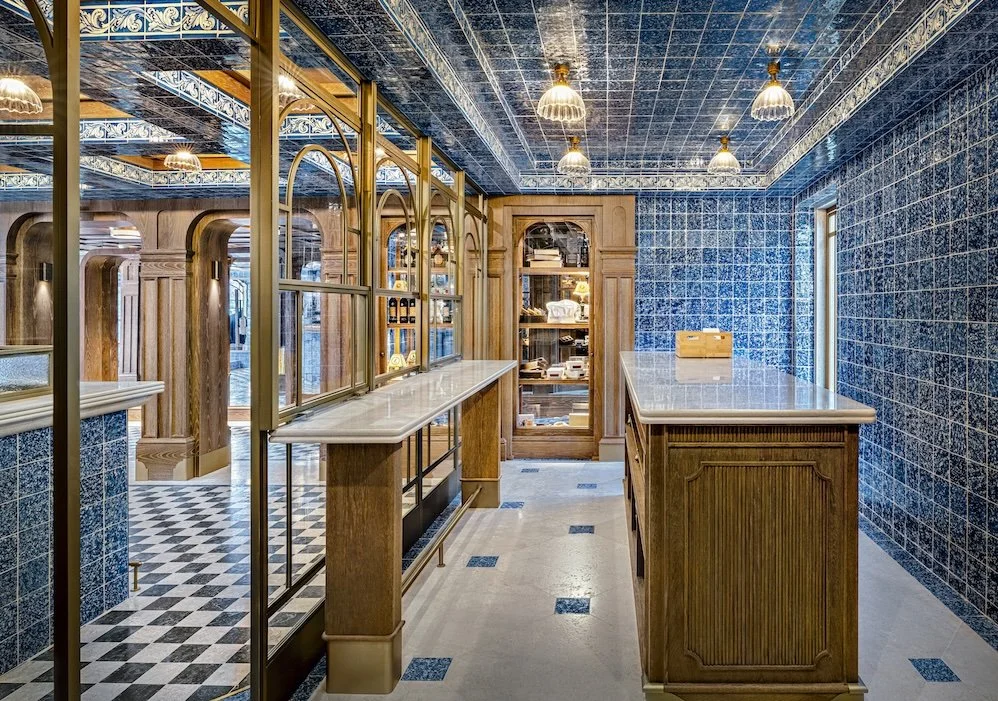
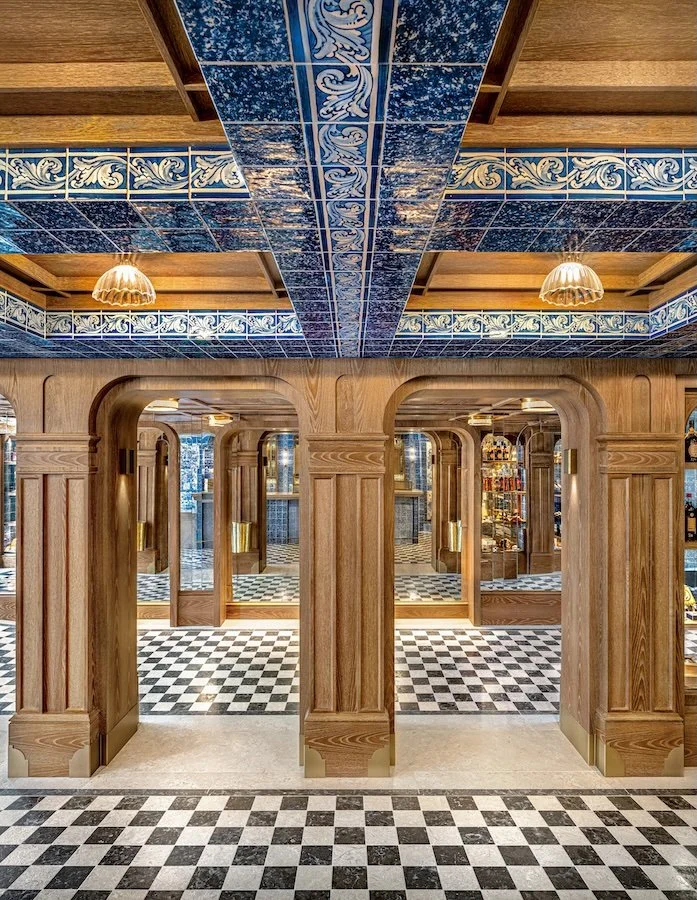
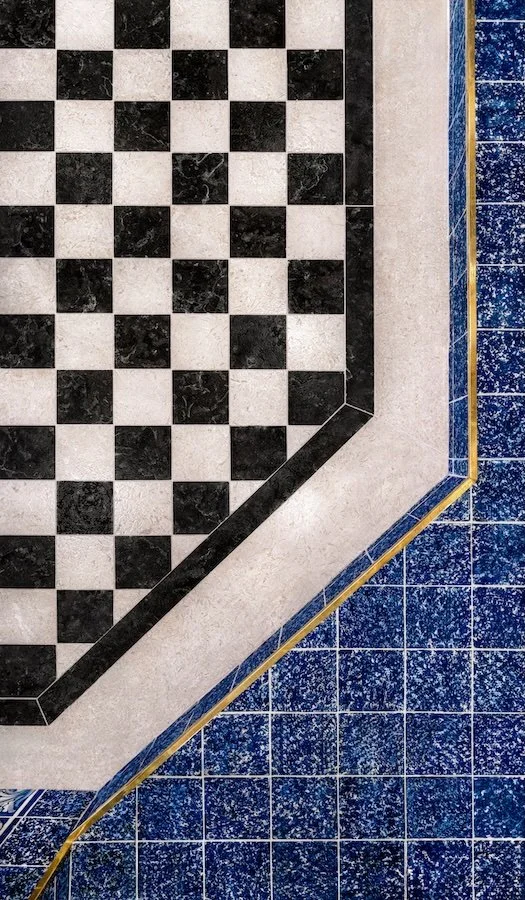
Materials anchor the design in Portuguese artisanal traditions while translating them into a modern register. Light oak introduces warmth and a sense of domestic calm; handmade ceramic tiles reference local manufactories without resorting to cliché; textured lime-plastered walls provide a subtly irregular backdrop that reads like an accumulated patina rather than a newly applied finish. These choices produce a sensory richness that rewards close inspection.

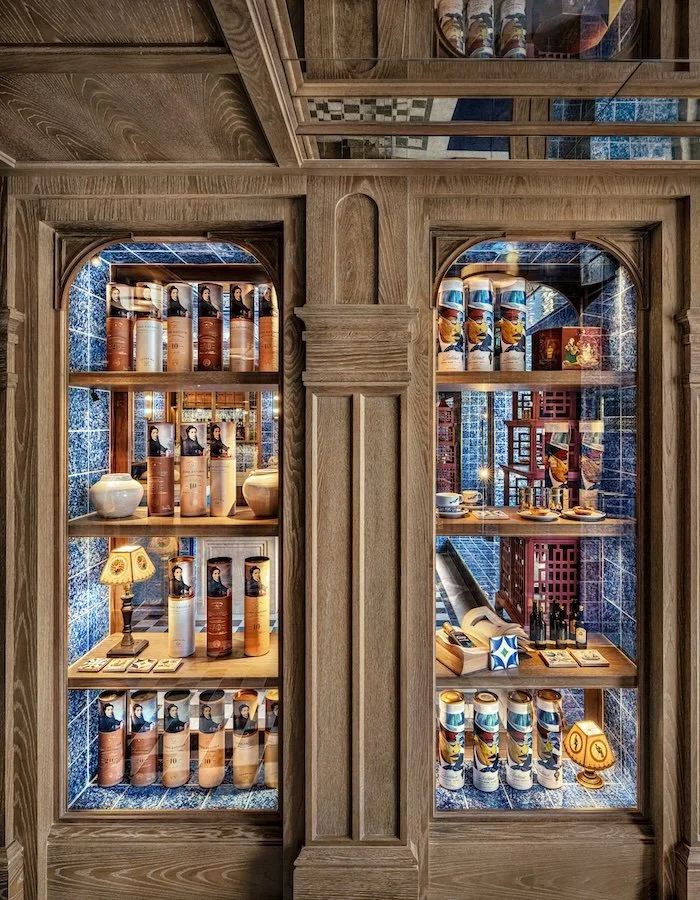
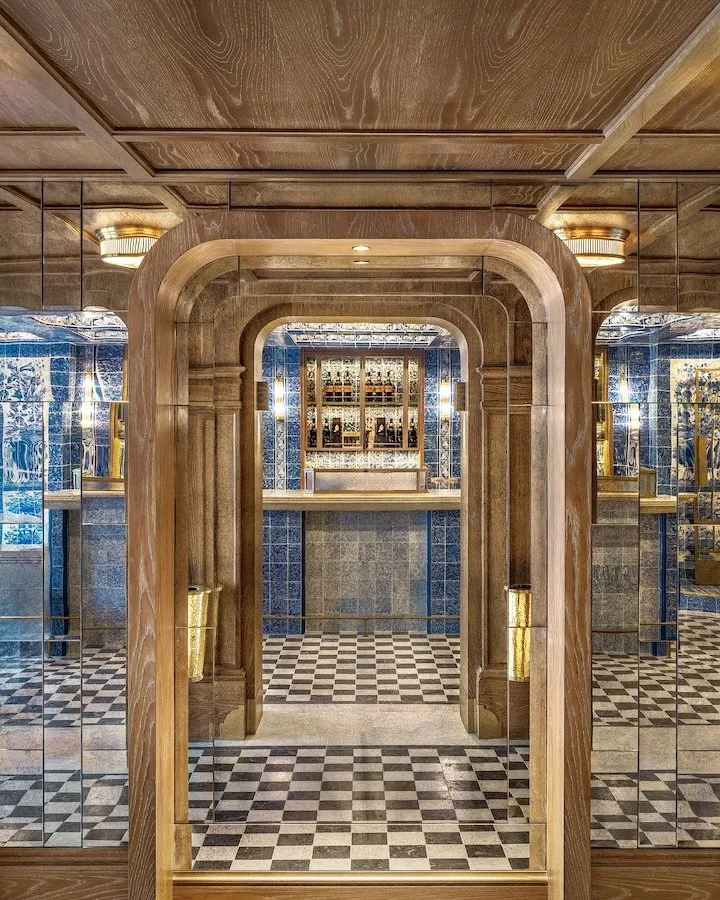
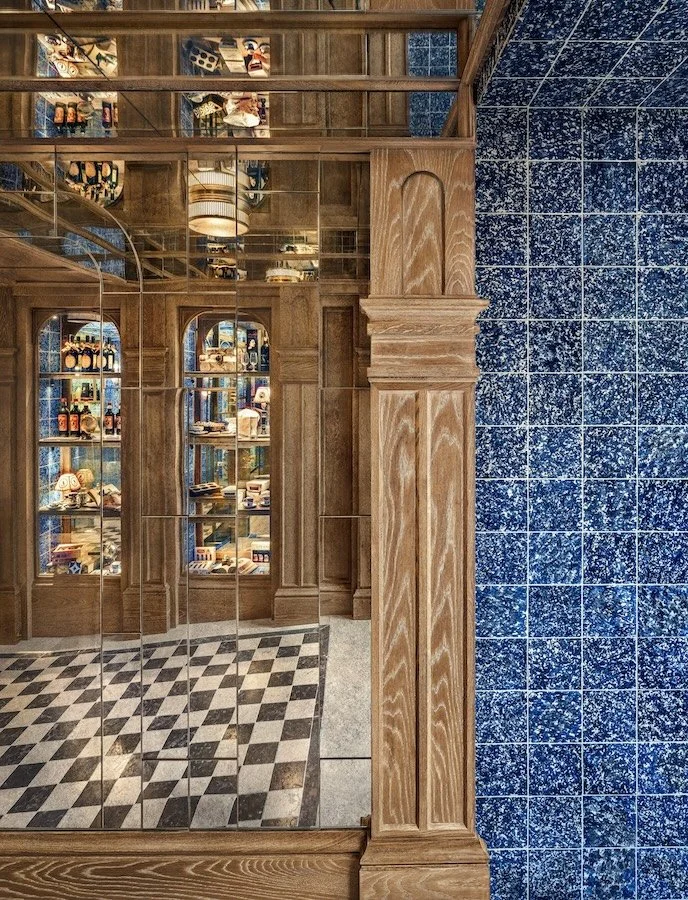
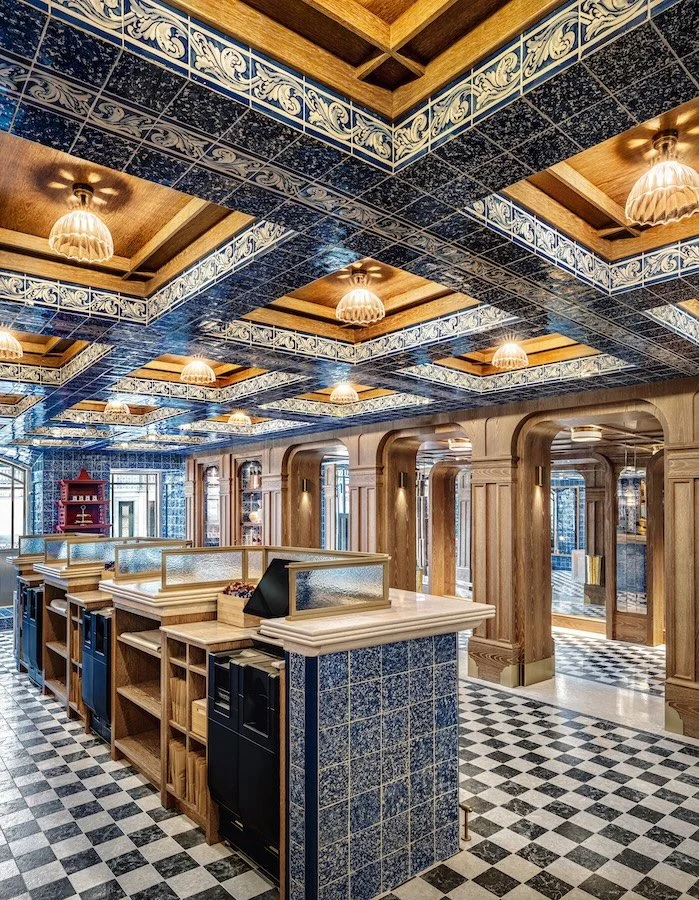
Lighting is treated not as an afterthought but as a storyteller. Carefully staged luminaires accentuate the tactile qualities of plaster and timber and create the same kind of gentle warmth one associates with Lisbon’s late-afternoon light. Proportions are calm and human-scaled; counters and circulation routes are arranged to ease queues and movement while preserving visual connections to the original pastry room.
Bespoke counters and shelving were conceived with equal attention to ergonomics and aesthetics — storage, service and display are integrated into refined joinery that subordinates itself to the pastries, not the spectacle of them. Subtle brass accents punctuate fittings and junctions, offering moments of refined opulence that sit well with the simple honesty of the principal materials. The brand’s iconic blue-and-white palette is present but reinterpreted through texture and pattern rather than literal reproduction: a contemporary nod, not a replica.
Design as emotional choreography
At the core of the project is a human-centred philosophy: design as storytelling and sensory connection. Every surface, sightline and proportion is intended to orchestrate a feeling of welcome and discovery — the kind of spatial choreography that makes a routine purchase feel like a modest ceremony. In this way the new space becomes an extension of Pastéis de Belém’s cultural identity rather than a separate, branded appendage.
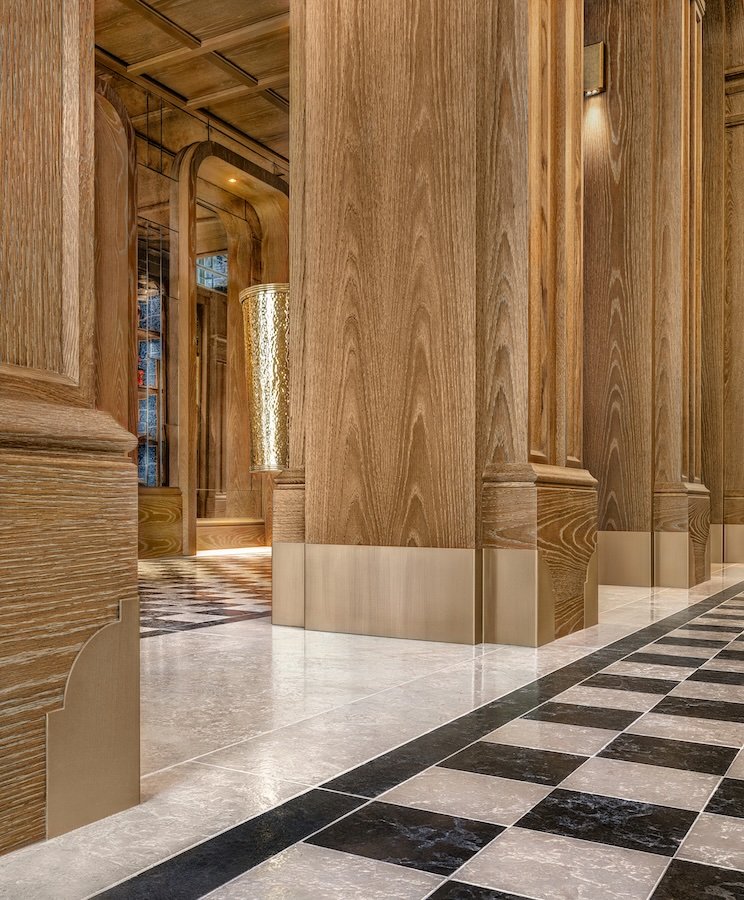
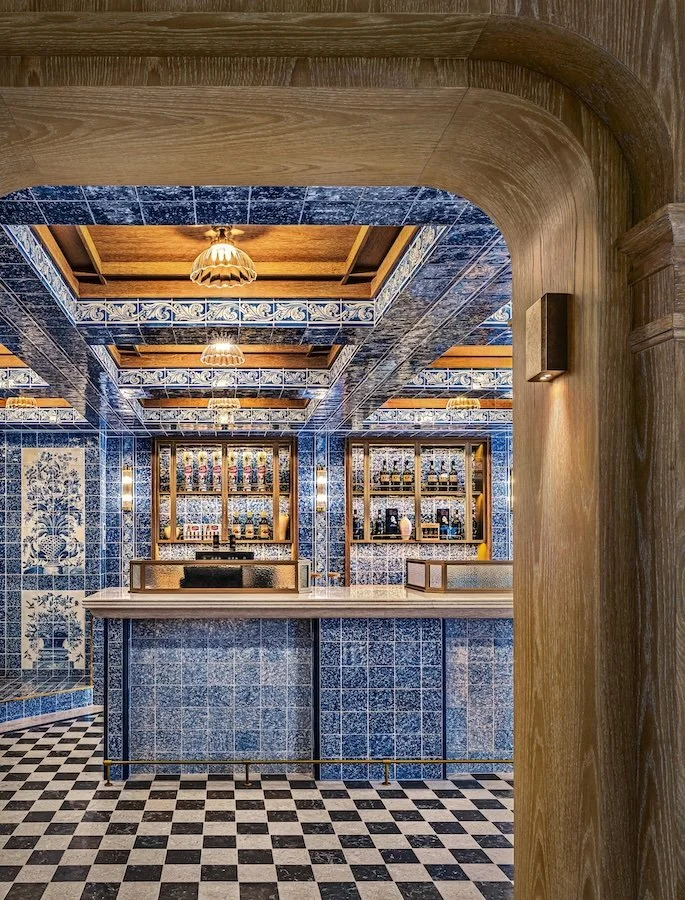
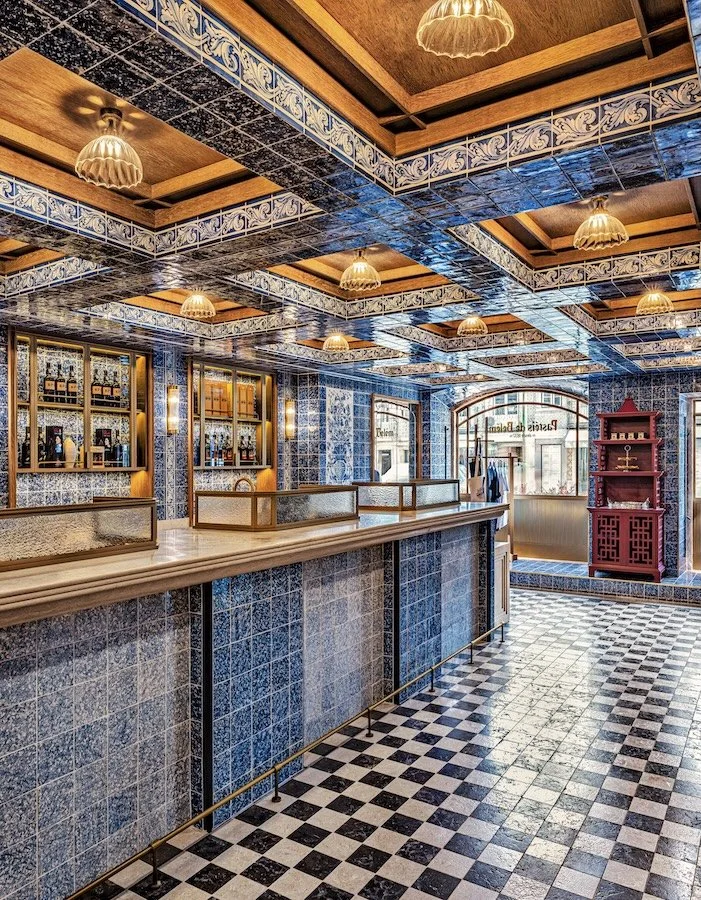

This retail intervention is also deliberately positioned as a first act. In 2026 Viterbo Interior Design Ateliers will lead a full redesign of the flagship store — a larger commission that aims to reinterpret the brand’s legacy for an international audience while protecting the authenticity that made the place beloved in the first instance. The recent project establishes a material and tonal vocabulary that the forthcoming redesign will develop and scale.
The strength of Viterbo’s proposal lies in its quiet confidence: it uses contemporary architectural language to amplify local craft, not to overwrite it. For designers, the project is an instructive example of how selective material choices, humane proportions and discreet detailing can knit new interventions to heritage environments in ways that feel both respectful and forward-looking.
Photograph: Francisco Almeida Dias