Fungi: Anarchist Designers
A refreshing exhibition that casts fungi not as trendy materials but as autonomous designers with their own unruly logic, far beyond our control.
Launched on 20 November at the Nieuwe Instituut in Rotterdam, the show is curated by anthropologist Anna Tsing — whose The Mushroom at the End of the World has reshaped how many of us think about multi species entanglements — and designer Feifei Zhou. Even the opening evening set the tone: a sold-out lecture moderated by Rosi Braidotti, with Tsing in conversation with Donna Haraway, both dressed as mushrooms in a gesture that was as playful as it was pointed. Haraway was in the Netherlands this week to receive the Erasmus Prize.
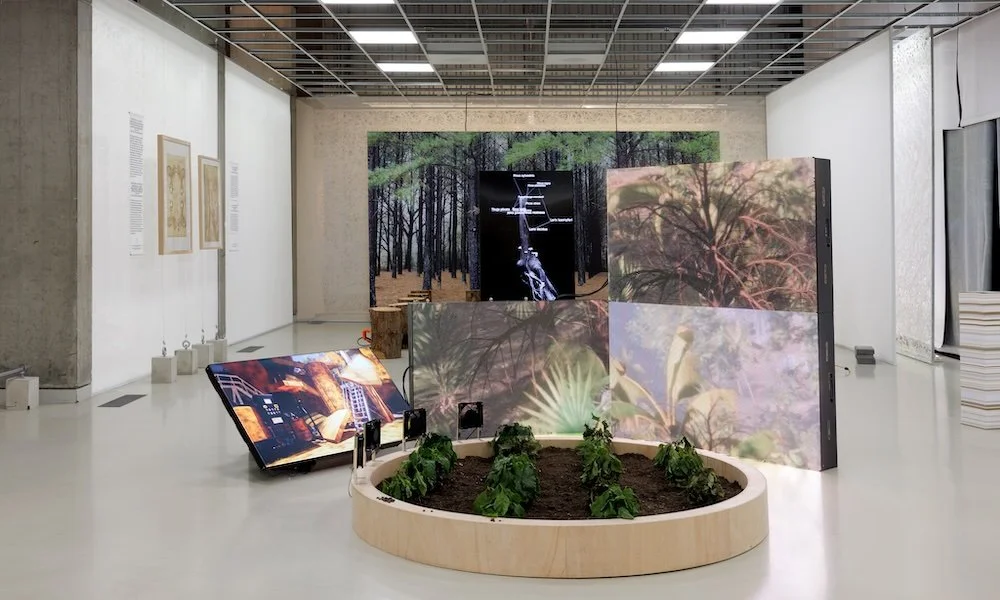
The exhibition challenges the neat borders of conventional design thinking. Rather than positioning fungi as tools for human innovation, Tsing and Zhou encourage visitors to step beyond an anthropocentric worldview and meet fungi on their own terms — anarchic, collaborative, destructive, generative and always surprising. The narrative unfolds through a series of galleries, each revealing a different facet of fungal life: decomposition, contagion, mortality, symbiosis and the messy potential of coexistence.
At its centre are seven new commissions, created through collaborations between artists and scientists. These works reinterpret scientific research through paintings, sculptures and immersive installations, casting fungi as independent makers and world-builders. Alongside them are four additional commissioned works, loans from artists including Lizan Freijsen, Olafur Eliasson and Annicka Yi, as well as archival material, two poems and five sharp manifestos that anchor the exhibition’s intellectual backbone.
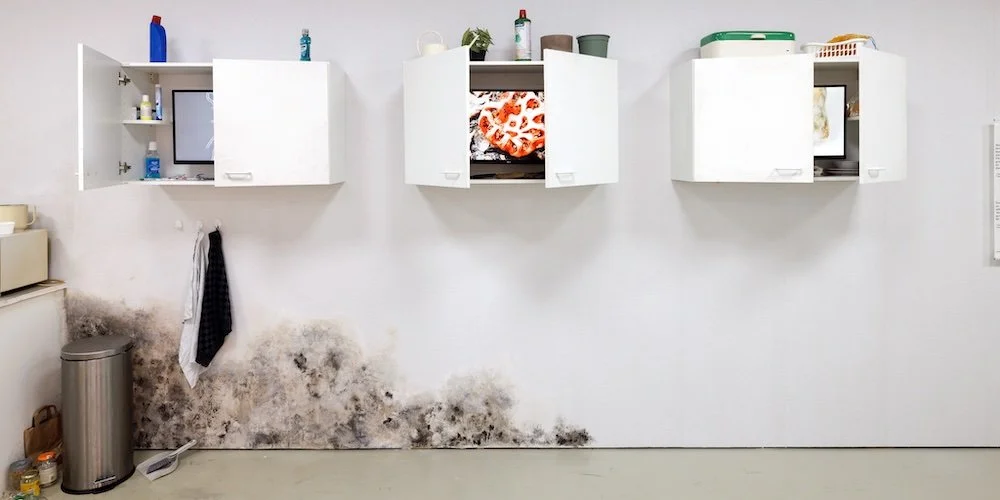
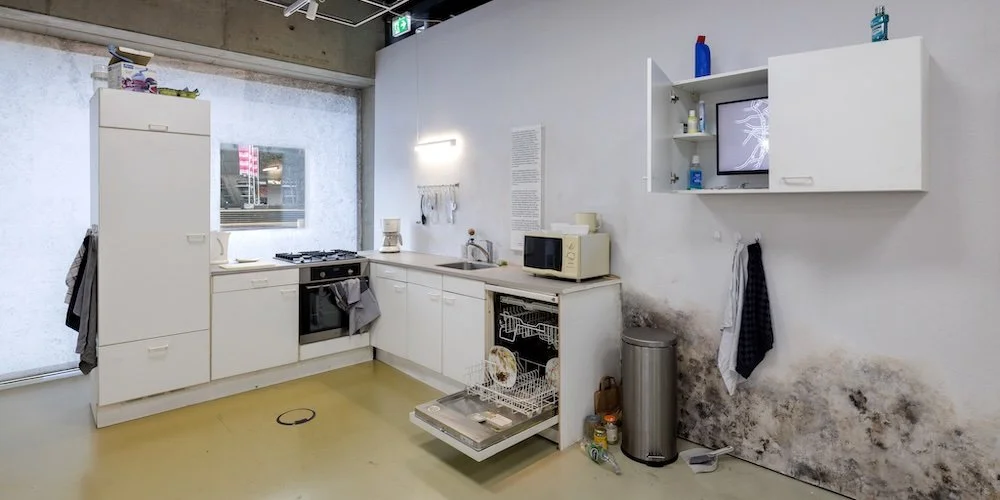
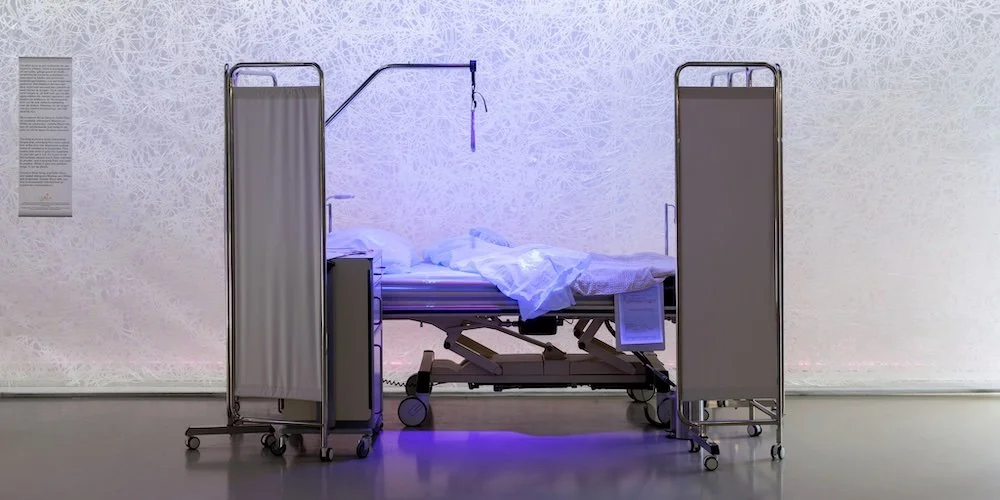

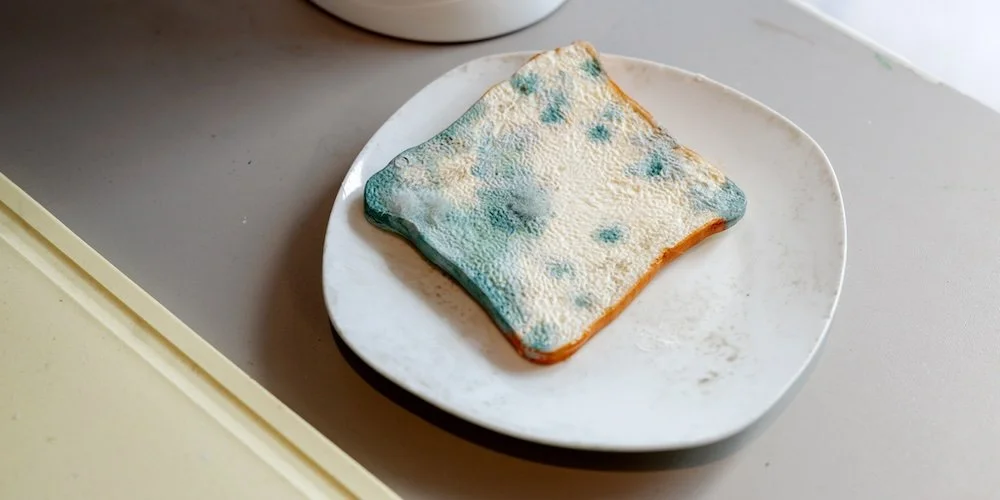
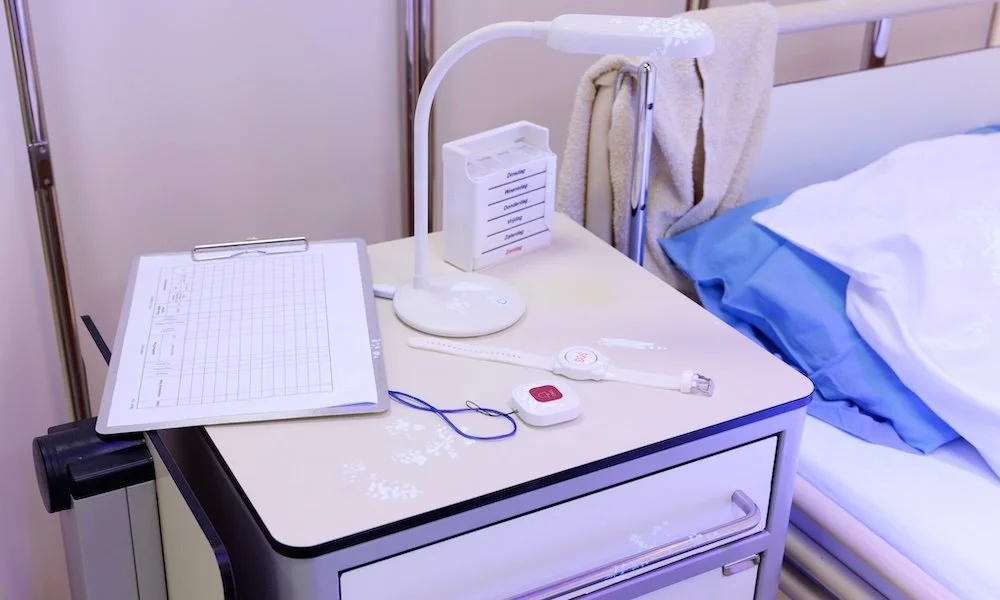
The galleries themselves form a kind of narrative arc. Break introduces the unsettling power of fungi to infiltrate our daily environments — kitchens, hospitals, farms — despite our tireless efforts to keep them at bay. Contagious Extraction(Filipp Groubnov, Ivette Perfecto and Zach Hajian-Forooshani, 2025), centred on coffee rust, highlights just how vulnerable global systems are to fungal insistence.
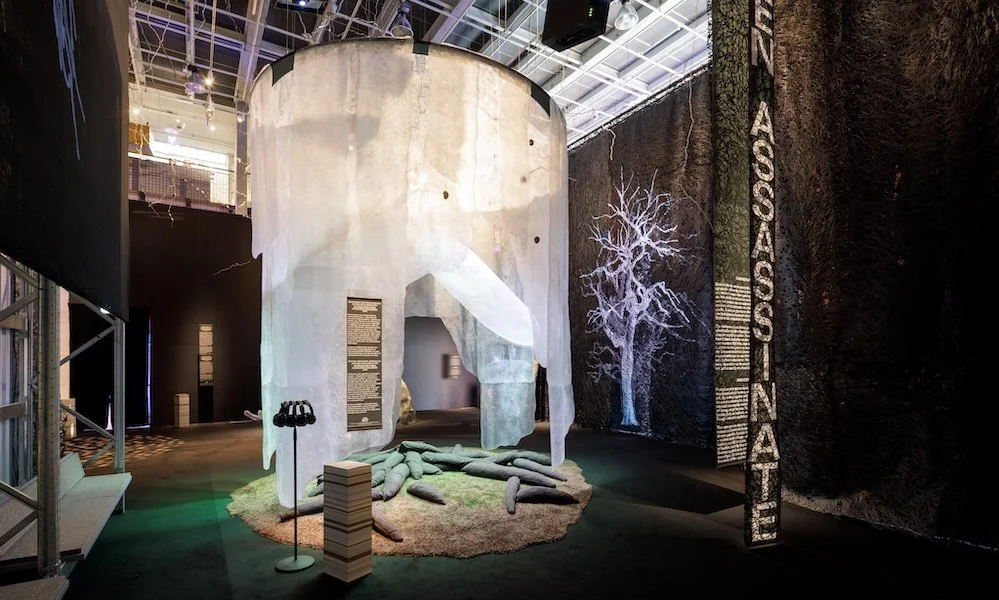
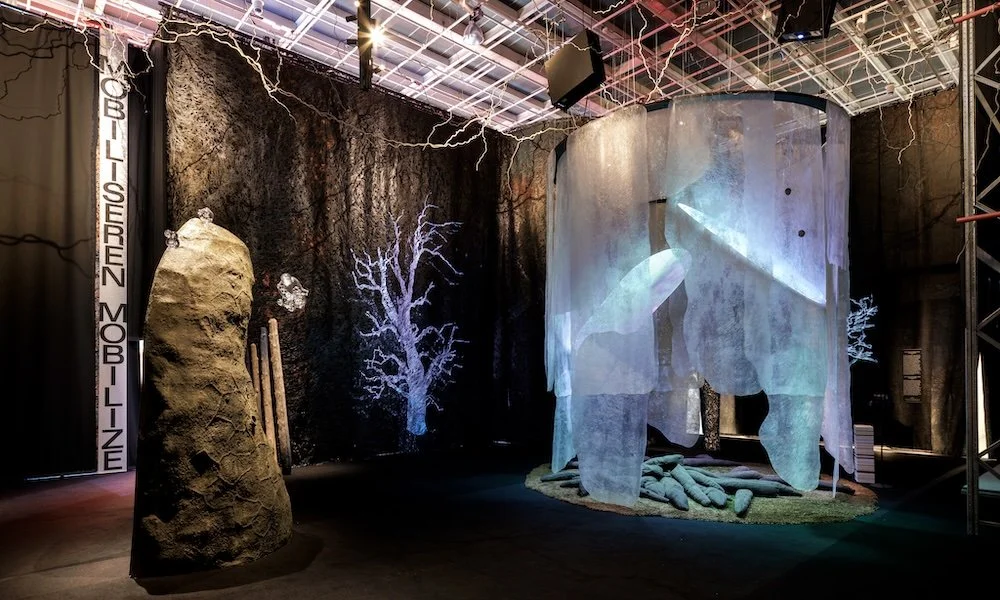
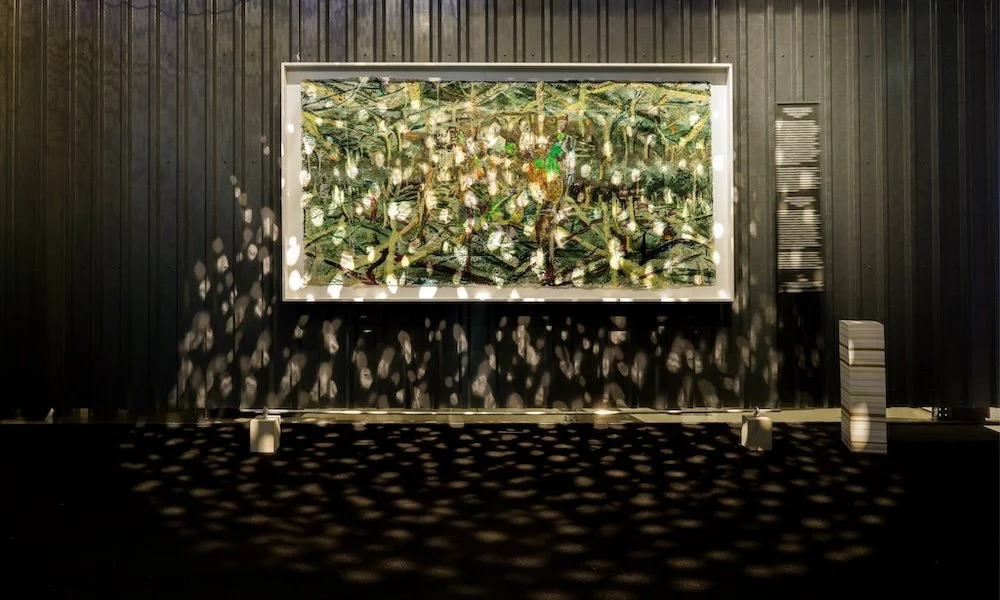
Assassinate turns the atmosphere darker. Hajime Imamura’s Mushrooms are Messengers of Mortality (2025) introduces a writhing mycelial presence in the air, while Perforated Protection (Oscar Furbacken, Lee Berger, Jamie Voyles and Danielle Wallace, 2025) memorialises frog species driven to extinction by the Bd fungus carried through global trade. It’s a stark reminder that fungal agency is not always benign.
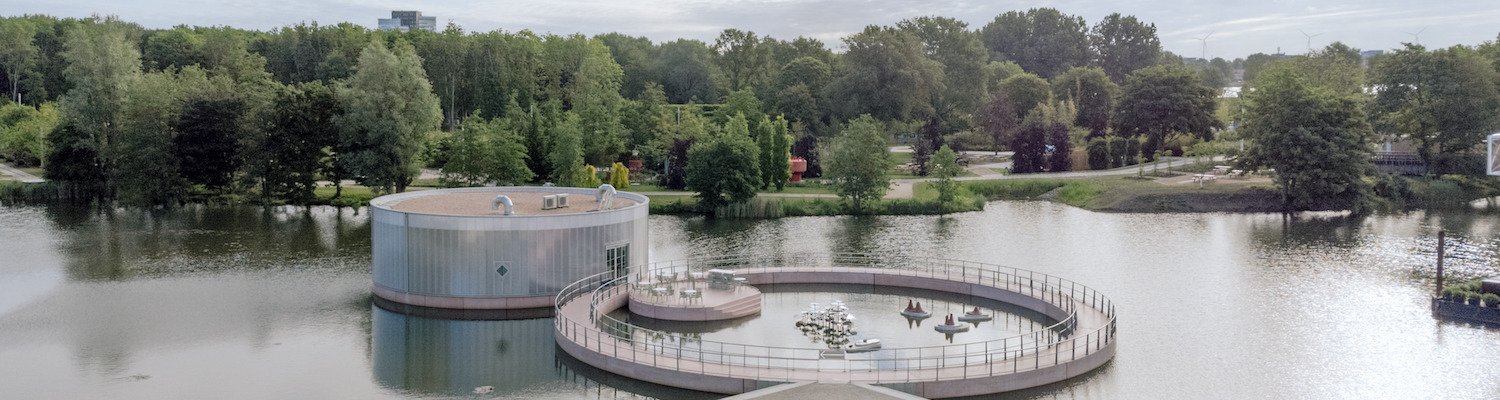
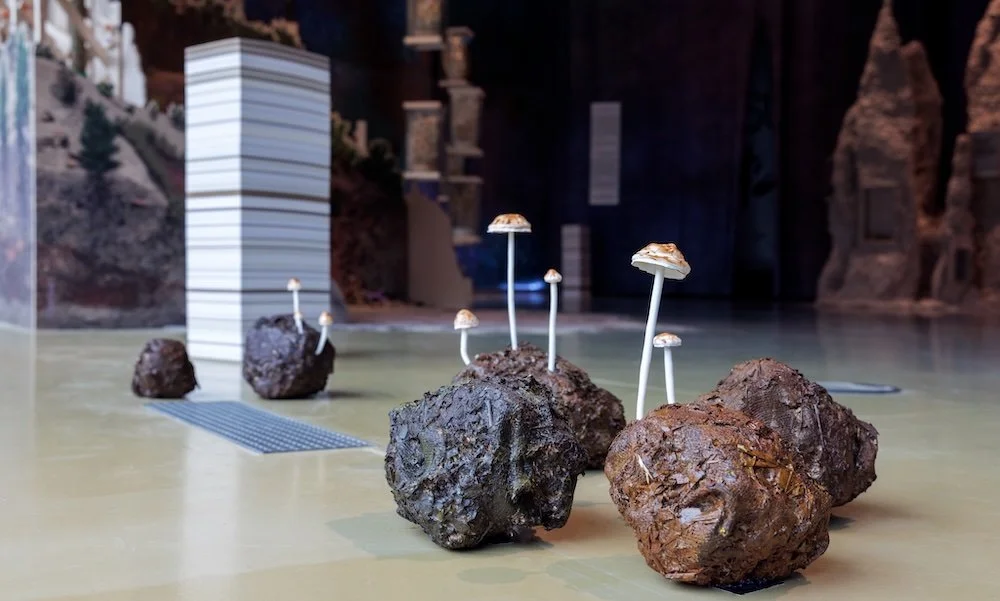
Then comes Mobilize, which shifts the tone towards collaboration rather than catastrophe. Here fungi appear as builders and partners — shaping termite mounds, transforming elephant dung, working within human digestive systems and even guiding architectural experiment. Phil Ayres’s Architecture must rot (Chair for Biohybrid Architecture, 2025) explores what happens when design allows fungal processes to lead. Outside, the New Garden — part of the museum’s zoöp governance model — quietly echoes these ideas, showing how non-human life is already being woven into new institutional structures.
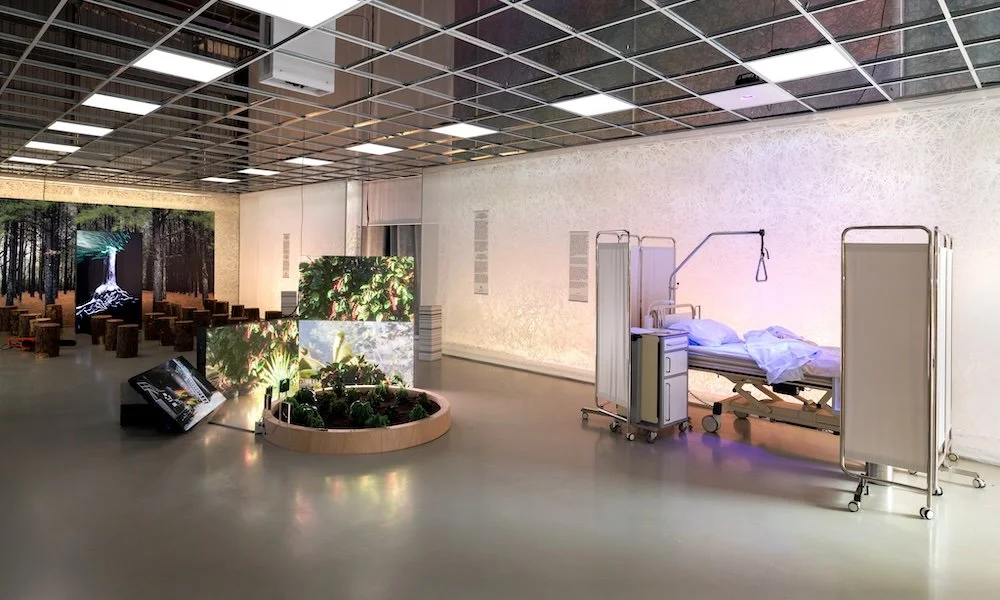
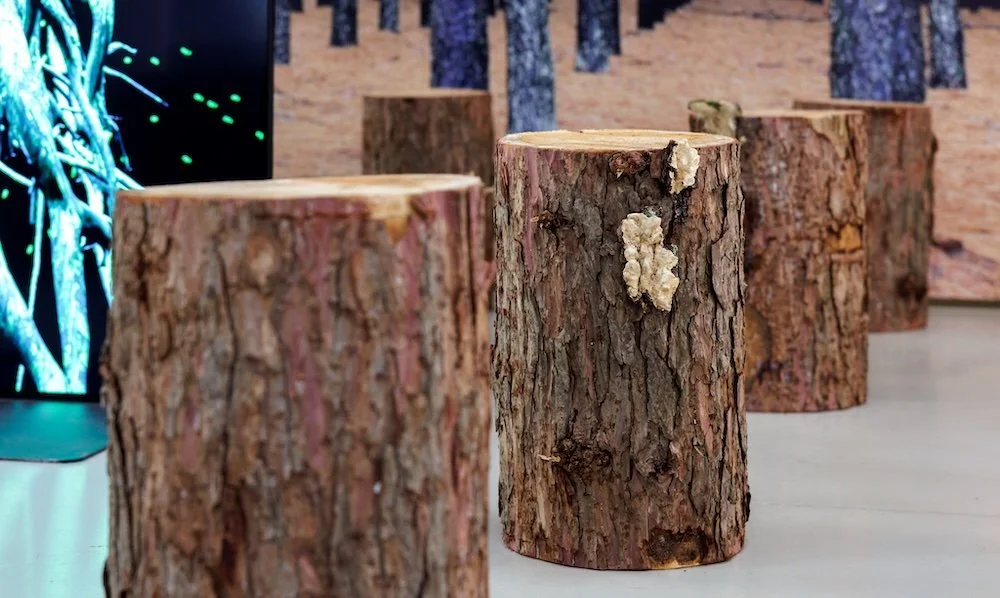
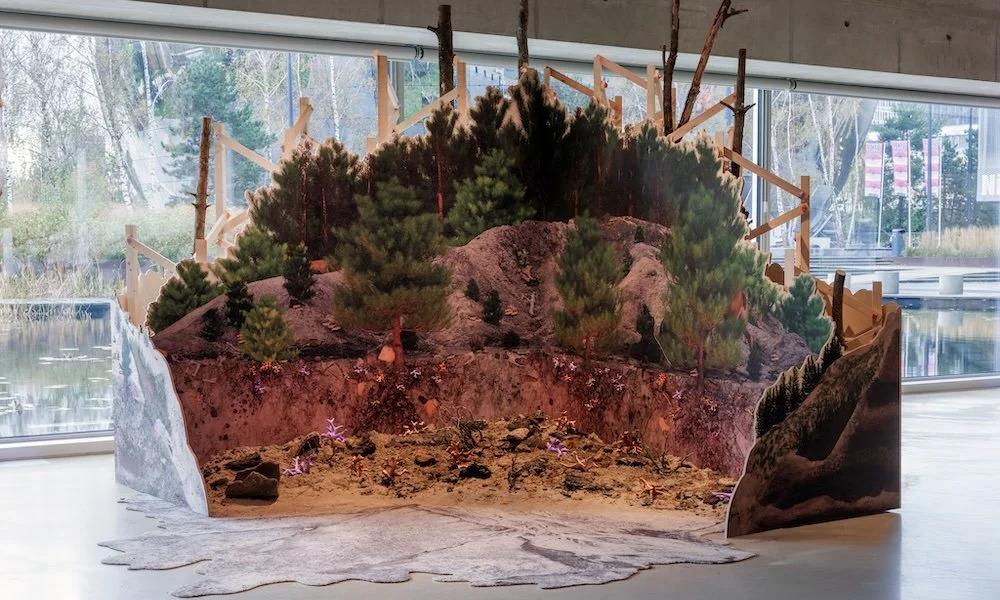
The final corridor, lined with five manifestos, brings the argument to its sharpest point. It invites visitors to reconsider humanity’s relationship with the non-human world and to imagine futures shaped not by domination but by negotiation, attention and interdependence.
FUNGI: Anarchist Designers runs at the Nieuwe Instituut until 9 August 2026.
Picture credit: Aad Hoogendoorn.