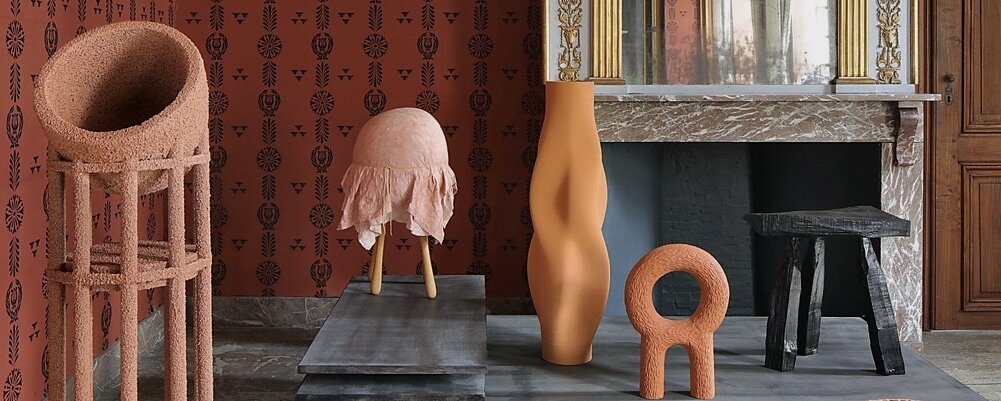
Patricia Urquiola: Meta-Morphosa
Patricia Urquiola’s forthcoming exhibition at the Centre for Innovation and Design at Grand-Hornu, opening on 14 December, arrives at a moment when design can no longer ignore its own implications.
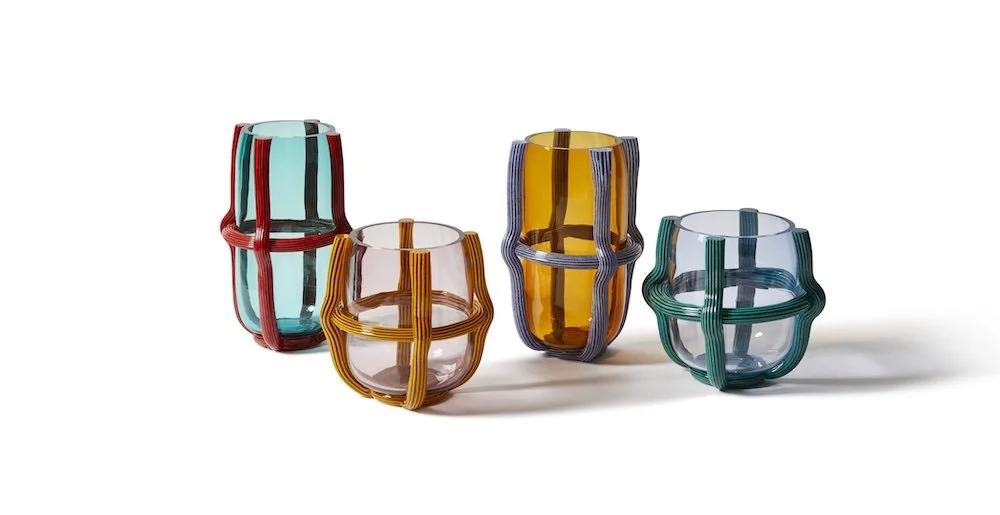
Patricia Urquiolia – Cassina, Sestiere Vases
What we make, how we make it, and what happens after we have finished with it are no longer secondary questions; they sit at the heart of any responsible practice. Patricia Urquiola embraces that challenge with a blend of rigour and playfulness, and the exhibition at the Centre for Innovation and Design at Grand-Hornu reflects a designer who is both restless in her curiosity and grounded in care.
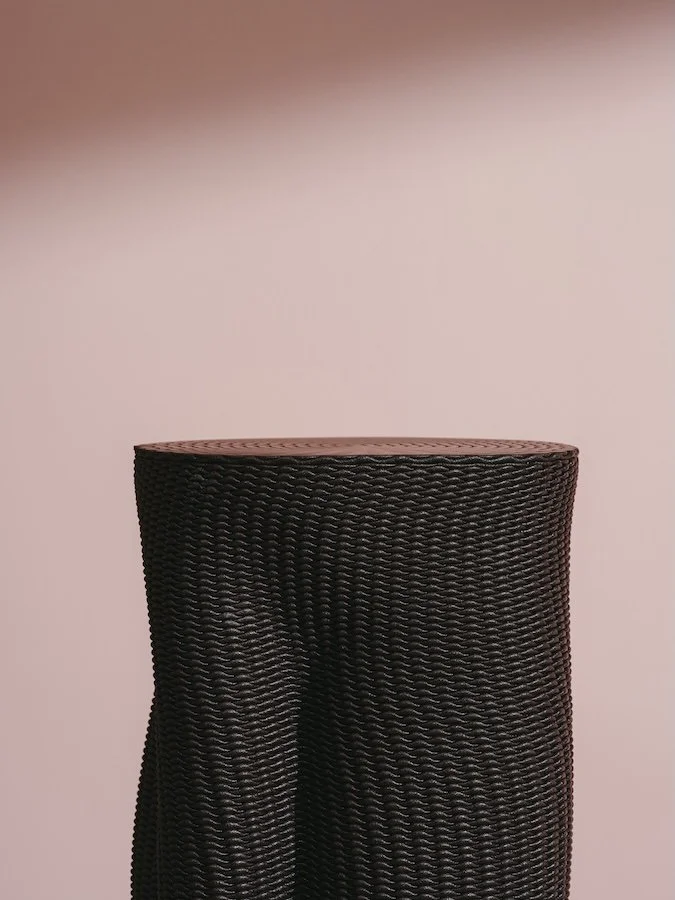
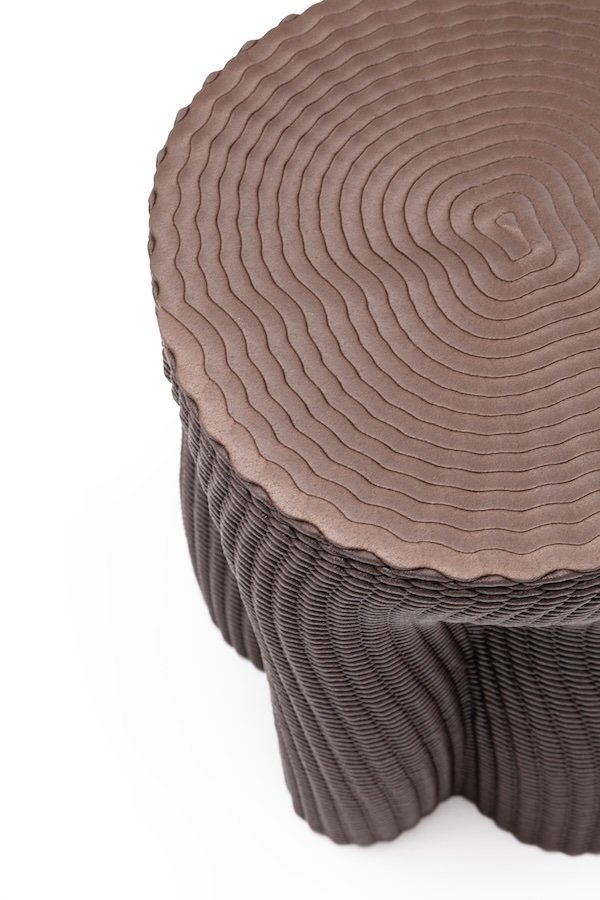
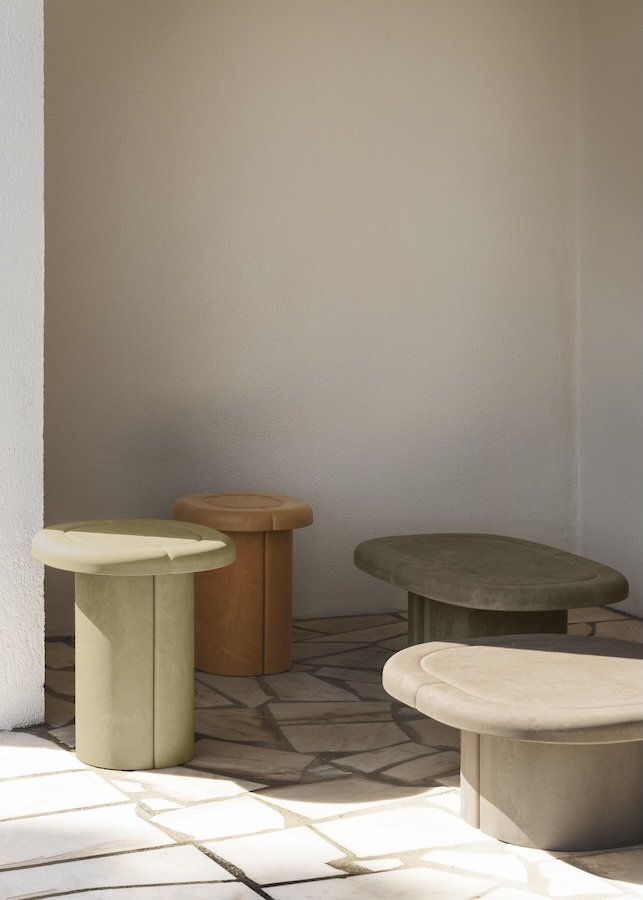
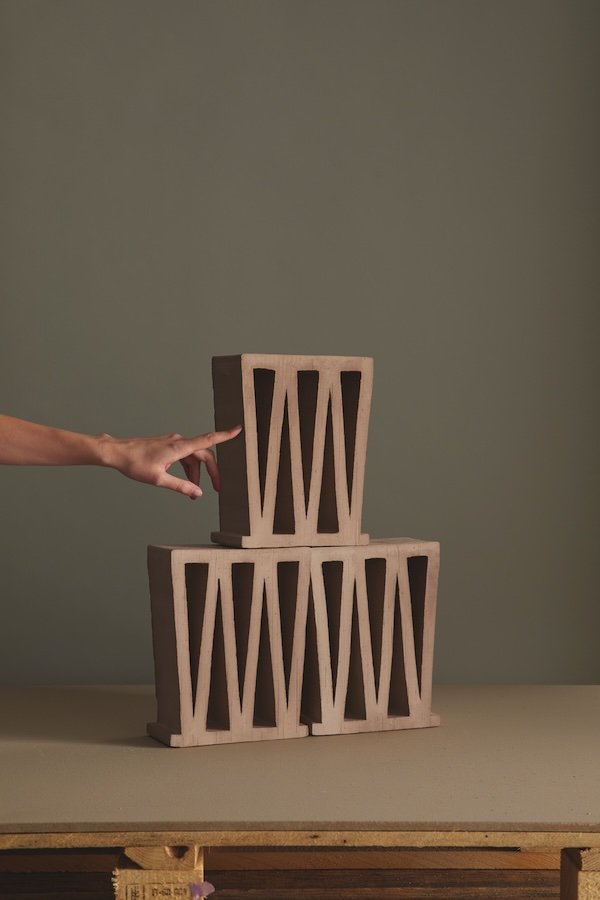
The show gathers a selection of projects from the last five years, yet it feels more like a continuous thread of research — an unfolding metamorphosis. Urquiola treats materials not as passive matter but as companions in an ongoing dialogue. She pushes them, listens to them, and allows their transformations to steer form. In her hands, material innovation becomes its own narrative about responsibility and beauty.
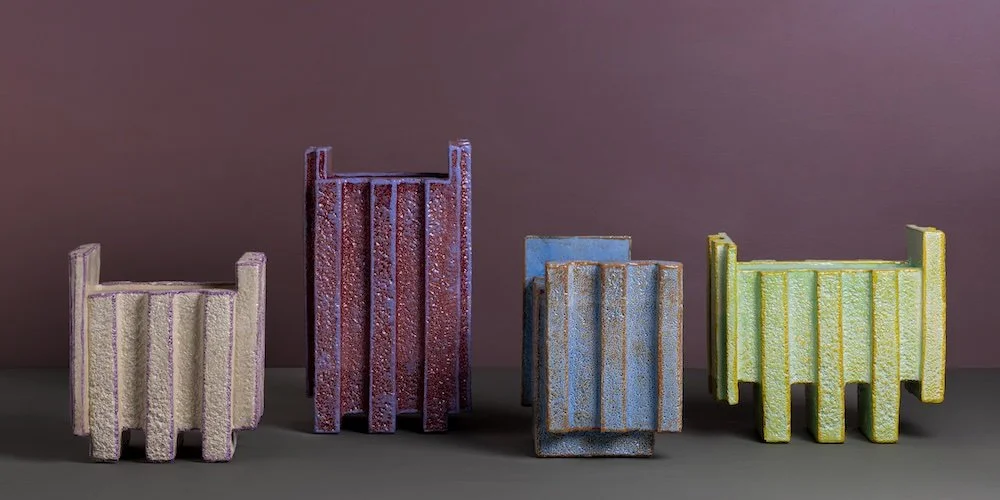
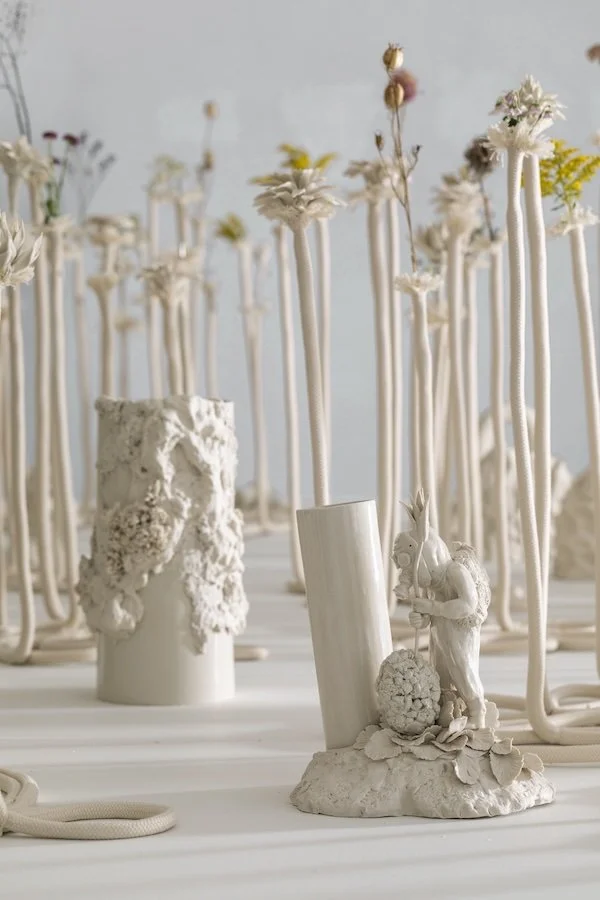
Bitossi, Merlate Vase
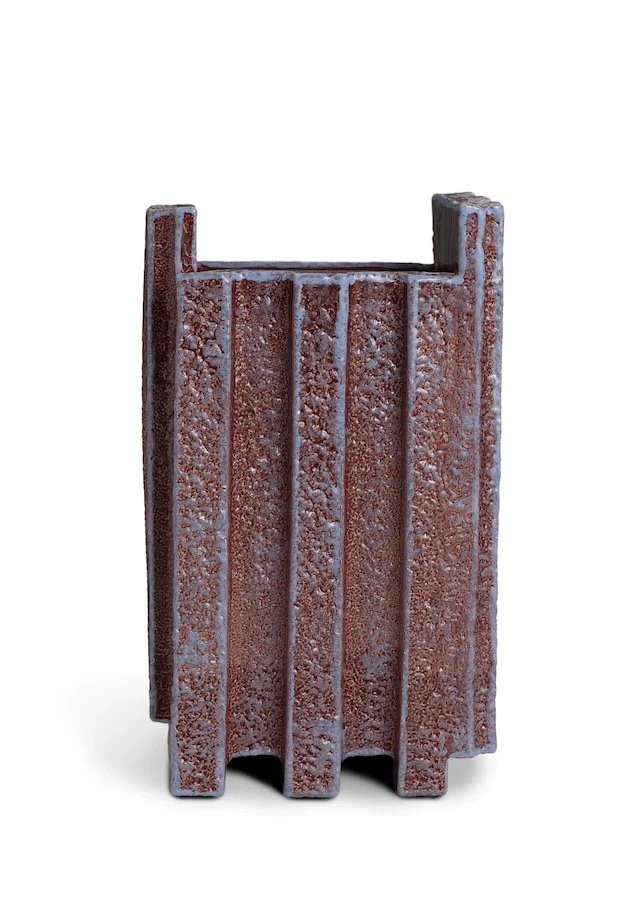

Her experiments with recycling are among the most compelling. Rubbish — wool, plastic, wood, glass and marble — is reimagined as a starting point rather than waste. These reinventions are not just ecological gestures; they open new aesthetics and structural possibilities. The movement towards natural and responsible resources is not dogmatic but inquisitive, exploring how far a material can be pushed and how its history might enrich a design.

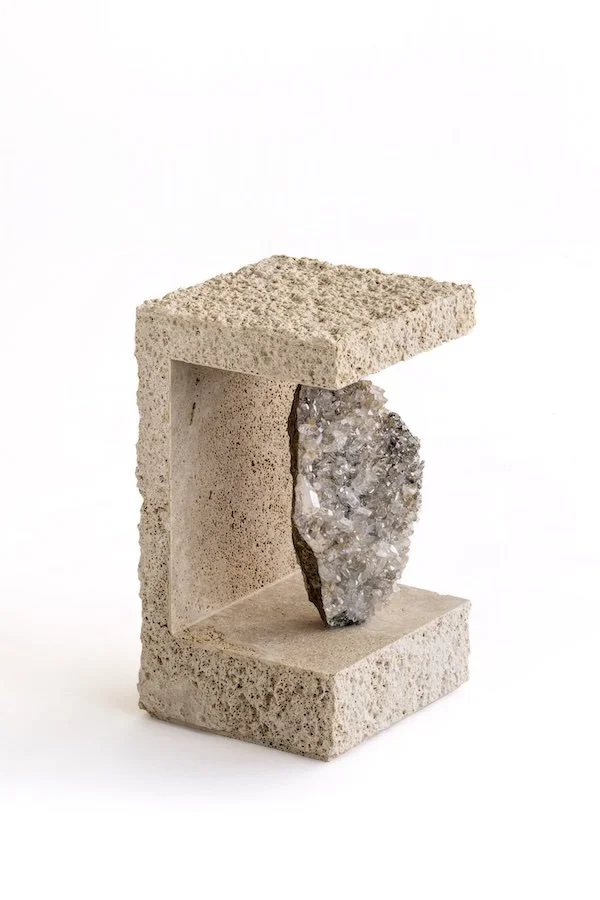


This sensibility is vivid in her exploration of living and life-inspired materials. In The other side of the Hill, presented at the 19th Venice Architecture Biennale, matter appears almost animate, evoking geological and biological rhythms. Patricia Urquiola suggests that design can — and should — evolve alongside the world’s own processes.
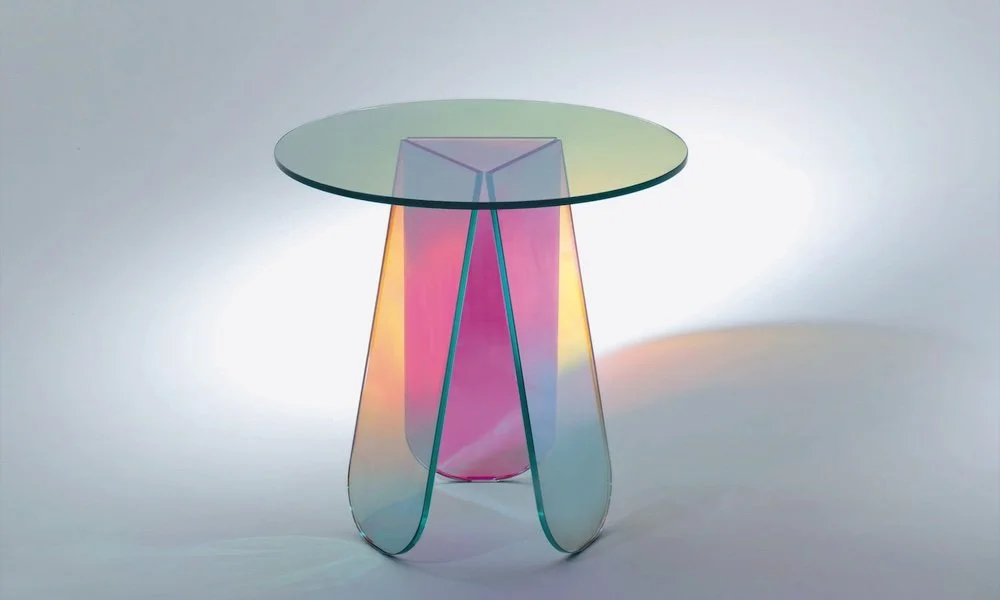
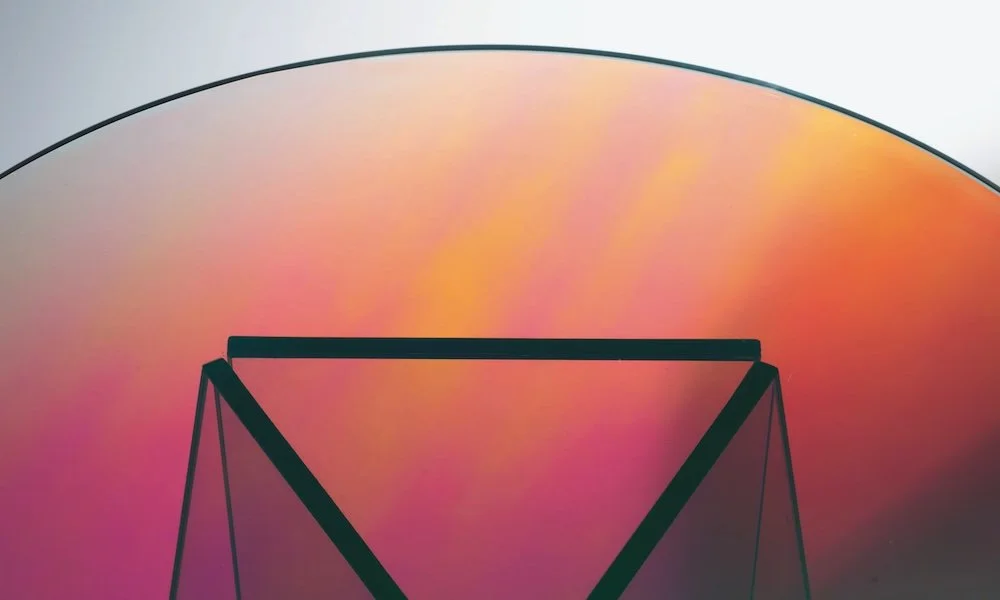
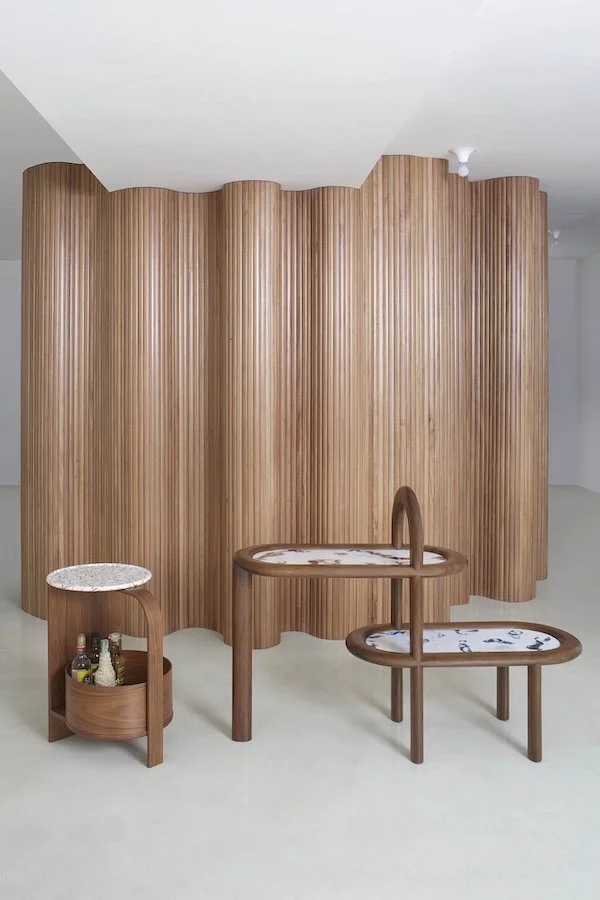
Her furniture follows the same logic. The industry is now compelled to consider the full lifecycle of objects, and she responds without nostalgia. Structure is rethought; surfaces reconsidered. The aim is integrity: objects conceived for their afterlife, ready to be dismantled and responsibly absorbed back into the world. It feels like designing tomorrow’s archaeology with intent.
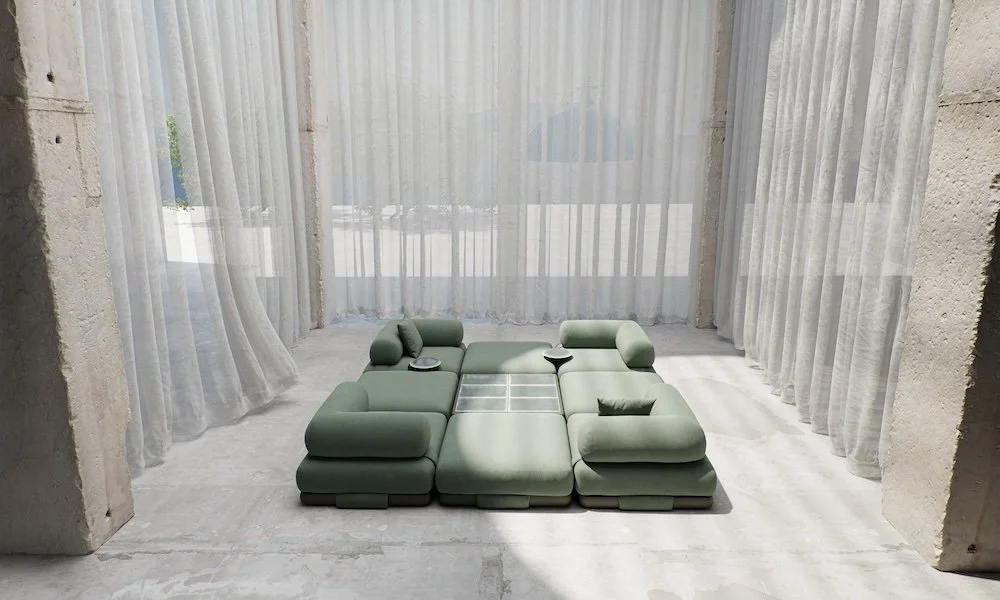
Kettal, Insula - 2024
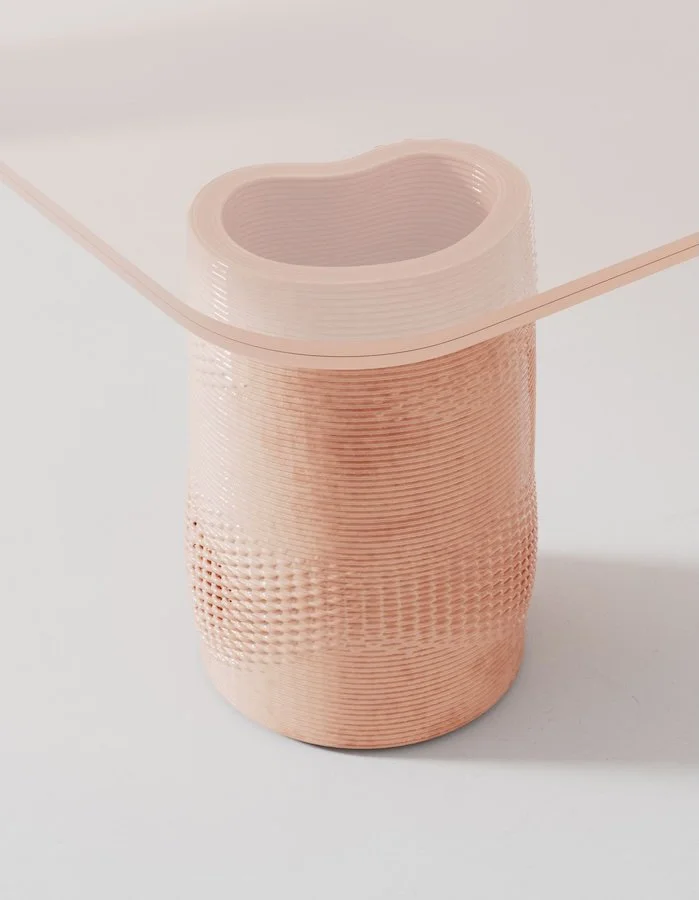

Digital technology, too, quietly enriches her vocabulary. Rather than dictating form, it broadens expression. Her carpets reveal patterns that feel intuitive yet distinctly contemporary. Technology deepens texture rather than sanitising it — a bridge between craft and innovation.
A strength of the exhibition is how it reveals her enduring collaborations with industry. Patricia Urquiola does not merely deliver objects; she builds long conversations that shape identities, expand capabilities and infuse pieces with emotion. Design, here, becomes a relationship as much as a result.
On a personal note, a few years ago I had the pleasure of moderating an intimate conversation with Patricia in Dubai. It became one of those unexpectedly memorable exchanges where the professional blends seamlessly into the human. In discussing philosophy and the ethics of making, we discovered — with real amusement — a shared secret passion for tortilla de patatas. That moment of warmth echoes throughout this exhibition: a sense of openness, curiosity and shared discovery.

What runs through the show is the idea that transformation is continuous. The prefix meta— going beyond — threads through the works. Meaning lies not only in form but in the ideas that nurtured it, in the research that shaped it, and in the questions it raises about the world we want to build. The exhibition almost opens like a poem: a quiet sequence of intentions and possibilities.
To walk through it is to encounter design that is inventive yet deeply humane. It acknowledges the complexity of our era while offering a hopeful vision of how we might continue to make — responsibly and with a sense of wonder.
Meta-Morphosa at Grand-Hornu is well worth the journey. The exhibition invites us until April 26th 2026, to look again at the materials and ideas shaping our lives.