Advent 2025: The Holy Redeemer
Over fifteen years in the making, this church is completely integrated in the transformation process of a neighbourhood of 670 homes.
Third stop: San Cristobal de la Laguna, Spain.
This one feels like architecture that arrived with a mission. The Holy Redeemer of Las Chumberas is less a single building than a slow, patient conversation with a neighbourhood — seven hundred or so homes, rows of 1970s blocks, patchy shops and the messy everyday life of people who have lived there for decades. It took more than fifteen years to build, and you can see why: it was not dropped in from above but grew, piece by piece, as funds, trust and community momentum allowed.
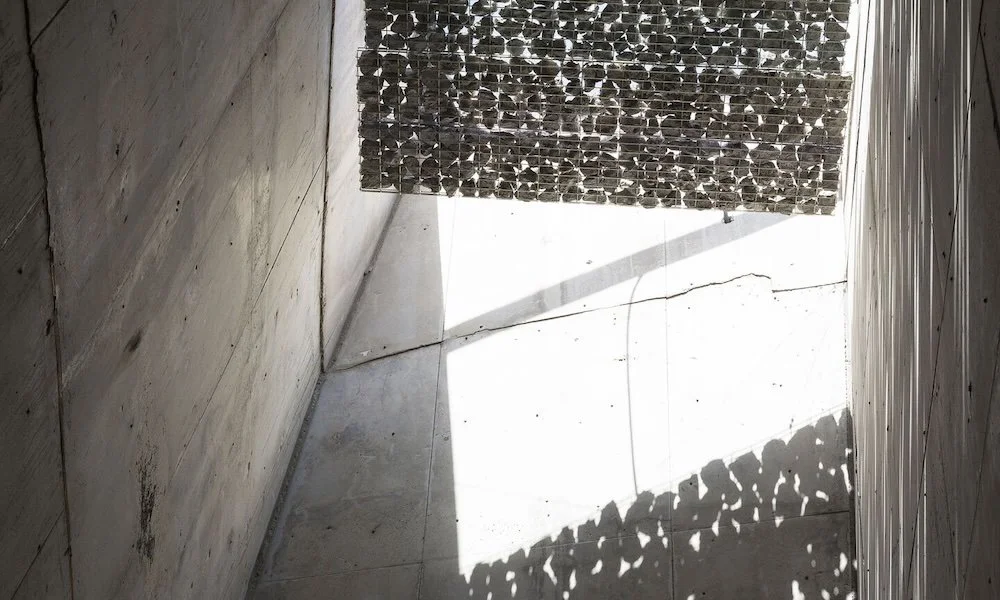
Fernando Menis imagined something that would give Las Chumberas an identity it did not quite have — a public heart rather than a landmark for tourists. The complex is made of four chunky volumes, like rocks hewn from volcanic earth, separated by thin fissures that become metal-and-glass sculptures and channels for light. There is a church, a community centre and a new square wrapped in greenery: a proper meeting place where the neighbourhood can gather, not simply pass by.
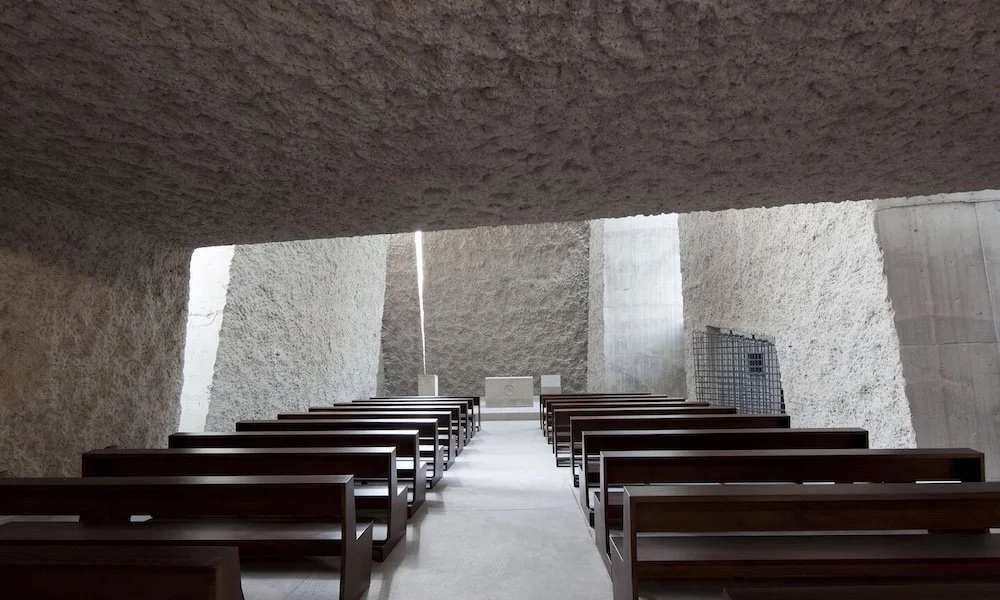
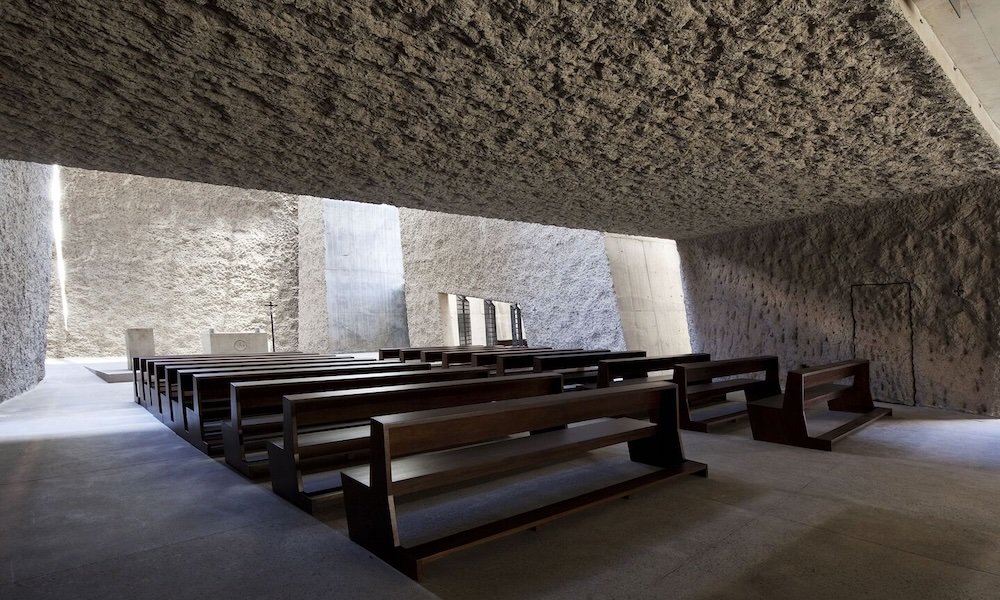
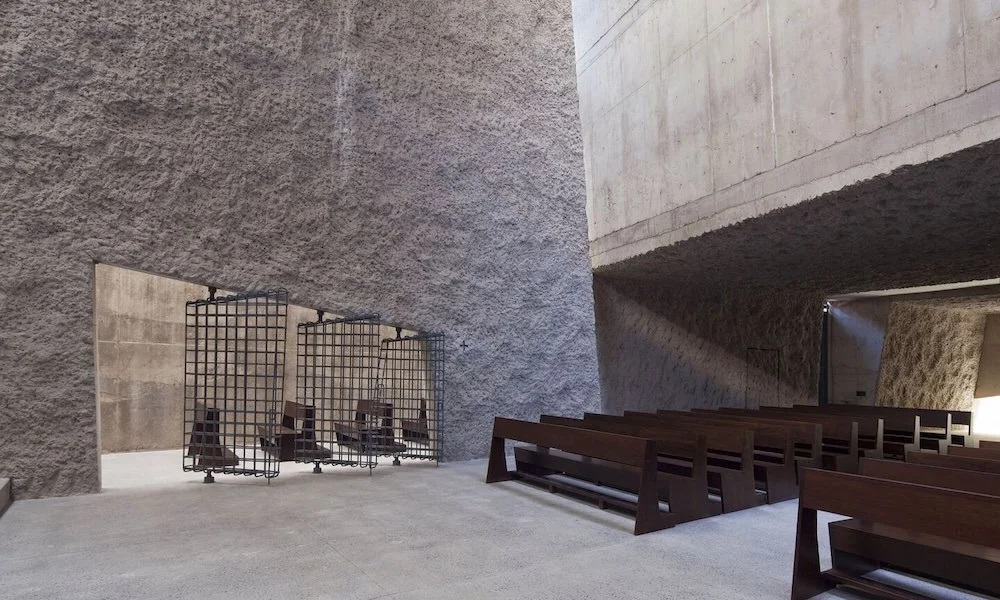
What I love about it is how plainly collective the whole story is. The Bishopric of Tenerife backed it from the start, but much of the money came from residents, local patrons and organisations — donations trickling in over years. That uneven rhythm dictated the building’s logic: delivered in phases, humble and unflashy, each completed piece answering a real and present need. The community centre opened in 2008 and began doing its work while the rest waited to be finished; that sense of use-before-perfection is oddly generous.


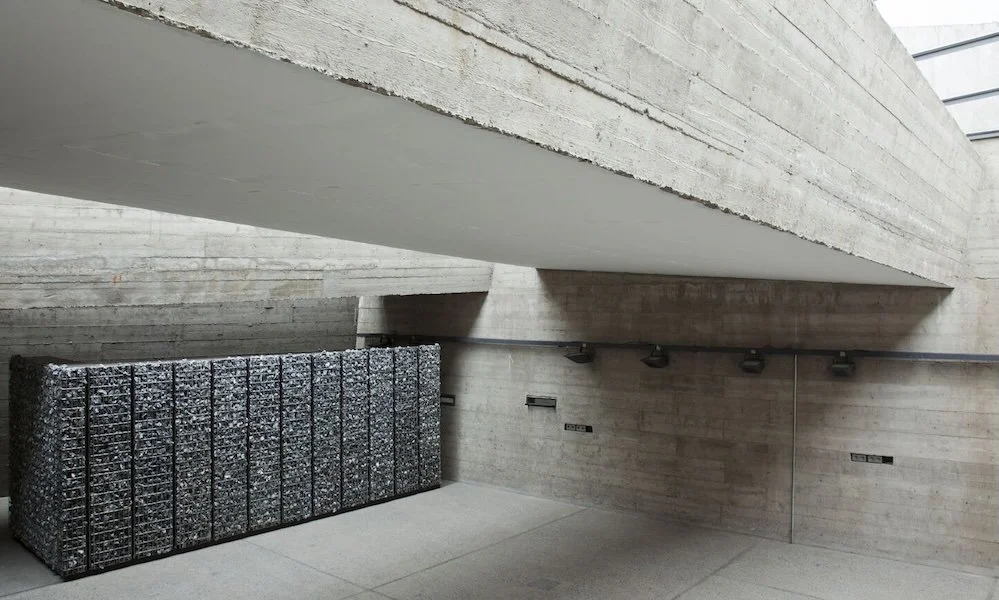
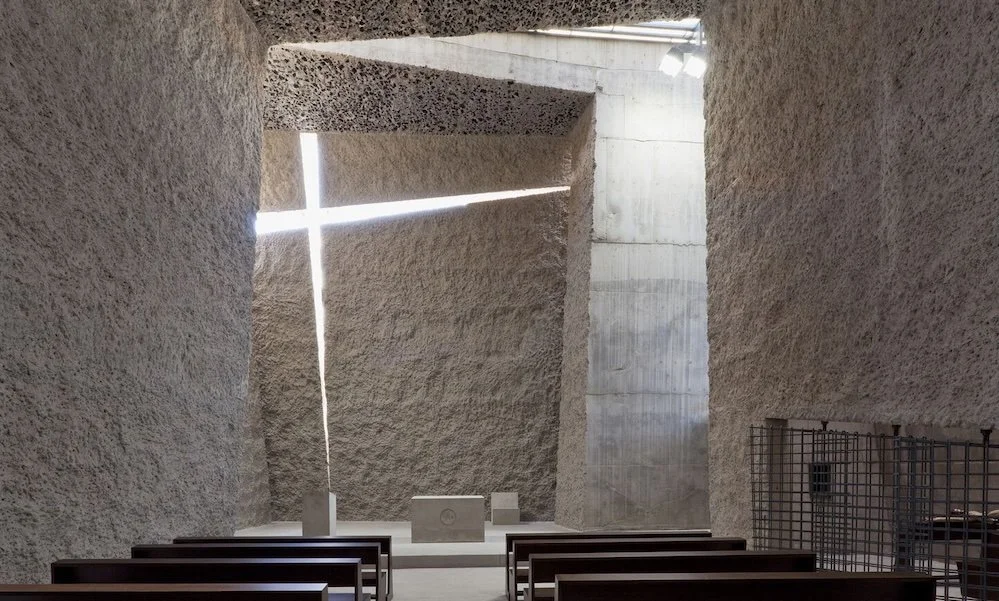
The material choice is unapologetic: exposed concrete, textured and heavy, referencing the volcanic geology of the Canaries. Menis has a knack for making mass feel tectonic rather than brutal; these volumes sit in the ground like geological events, pushing against the ordinary urban fabric. Narrow cuts between the masses let daylight pour in, and light here is choreographed with a kind of theatrical care — sunrise washes the space behind the altar through a cross-shaped opening, evoking the cave of the tomb; noon floods the altar and the sacraments; later shafts single out the confessional or the niches for matrimony and anointing. It is austere and poetic at once.
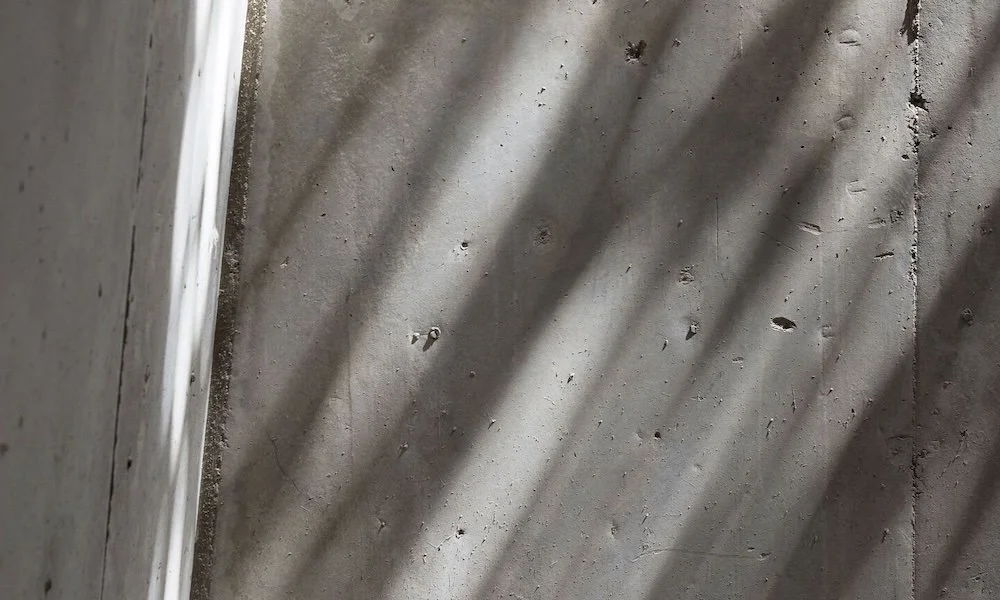
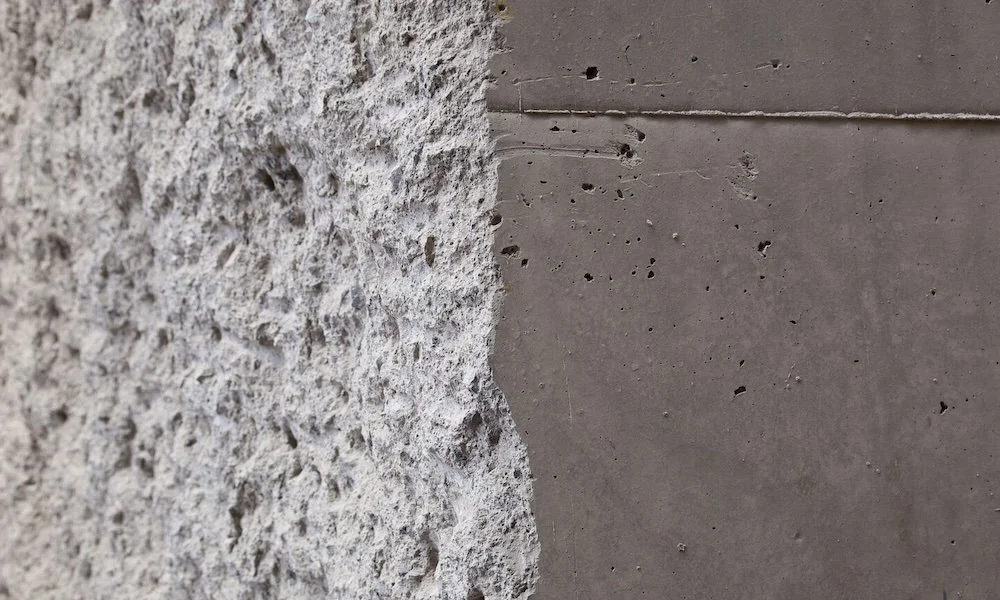
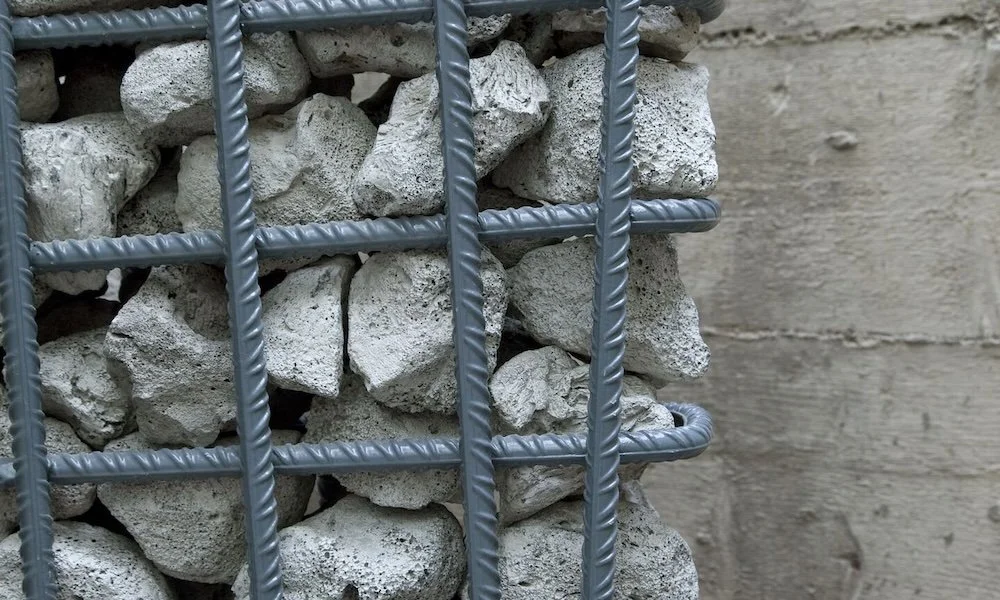
There is a clever low-tech intelligence at play. Using local concrete and volcanic picón (a porous scoria) follows a Km 0 spirit — local labour, local materials. Thick walls bring thermal inertia and passive comfort, and Menis even experiments with acoustics: some concrete faces are left smooth for diffusion, others are roughened with picón for absorption, producing an acoustic quality surprisingly suitable for both sermon and song — opera-house serious, in the best way.
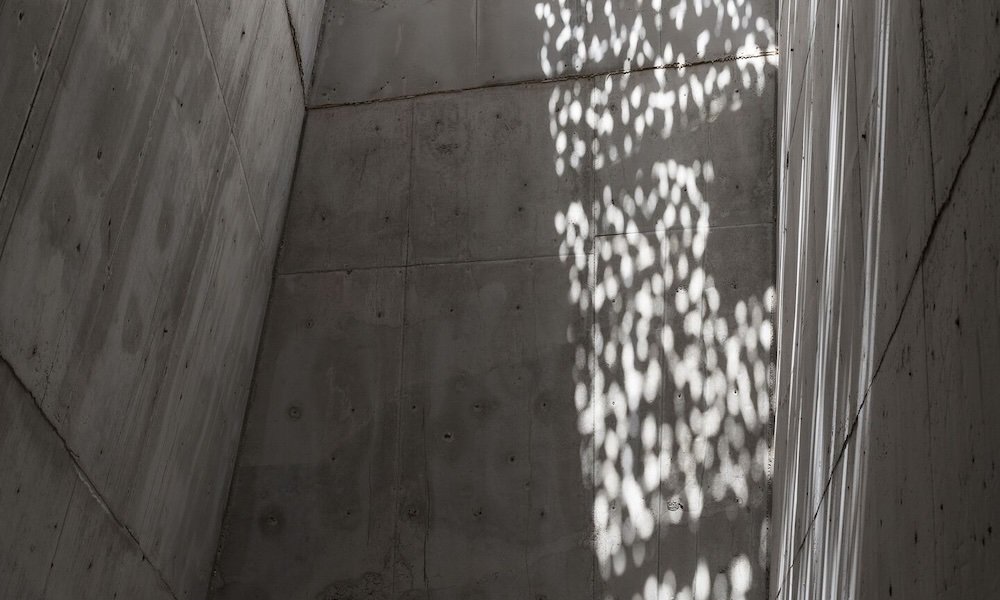
Recognition has followed: a Faith & Form award in 2022 and, more recently, the 2025 World Building of the Year nod — not bad for a project that began as a neighbourhood plea. But the real prize, to my mind, is how a rugged, honest building helped a confused urban quarter find a common place to meet, mourn, celebrate and simply be together.
More doors to open next Sunday…
Photographs: Patri Campora, Simona Rota