An Original Cabinet of Curiosities in Mons
Commissioned by BeCraft and the Beaux-Arts Mons (BAM), Sofie Lachaert and Luc D’hanis have worked on an original Cabinet de Curiosités, open until end of January.
I met Sofie and Luc few years back in Dubai where they exhibited at Design Days Dubai. I immediately loved their specific and distinctive taste for design. Far away from the instagramable trend and easy (I could even say) cheap design.
Caroline Andrin, Trophées n° 3, 6, 9, 11 et 18 (Skin Game series, 2011-2014). Clay tinted with manganese or porcelain, leather gloves. Part of BeCraft artist portfolio © David Marlé
Both Sofie and Luc are graduates of the Royal Academy of Fine Arts and the Higher Institute of Fine Arts in Antwerp. Usually setting their own works, they also design contextual environments for theatrical or museum productions around the world. For this new collaboration, surprising scenography – made up of pieces inspired by tents that provide shelter to refugees in areas of humanitarian crises – infiltrate the BAM exhibition rooms, giving them a floating sensation.
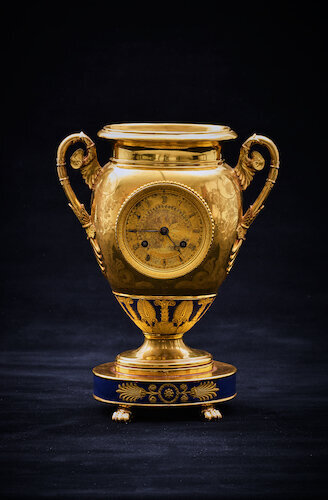
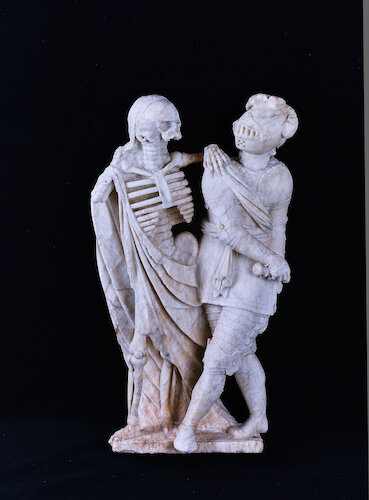
Set of statuettes, Gallo-Roman period, 1st century BC. Bronze. Collections City of Mons - Art library © J. Luyten
Memento Mons invites the public to meditate on the brevity of life and human fragility in the face of the great ensemble formed by time, matter and space. Man is only on earth for a limited time: all artifacts are silent witnesses to this temporary period. What is the value of canons of modern beauty compared with the ancient aesthetic models and works already written into the pages of history? How do they help us understand the world?
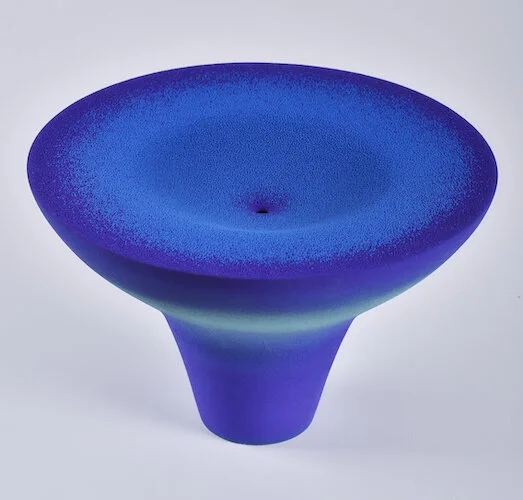
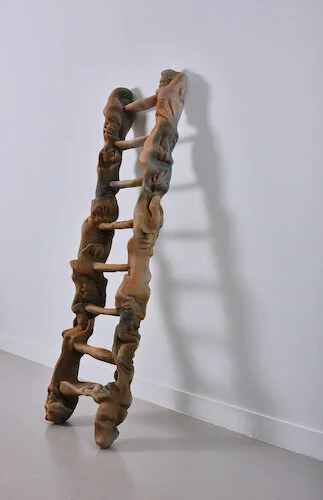
The exhibition is the result of selecting objects from a rich heritage and from various artistic forms that interlink and form a narrative. The public is invited to discover both historical objects and contemporary works, including the work of Belgian artists brought by BeCraft, highlighting applied arts designers such as Caroline Andrin, the artist duo Anne Marie Laureys Ceramics, Thérèse Lebrun, Antonino Spoto and Arnaud Sprimont. Also, Galila’s collection brings together the artists of today and tomorrow from across multiple themes. The misappropriation of objects, the humour, the unusual and even the incongruous deeply permeate the whole and ensure its coherence.
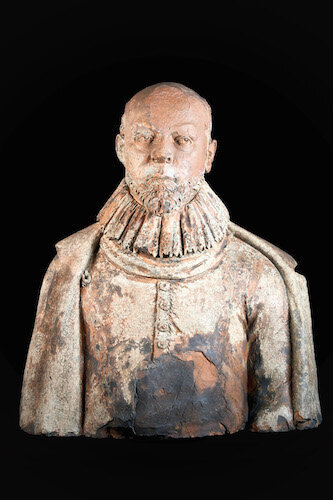
Jérôme Van Winghe (1559-1637), collection of drawings, sanguines, watercolours, washes, gouaches and engravings, Tournai, late 16th - early 17th century. Central Library of UMons, inv. R6 / Aa 2035 © J. Luyten
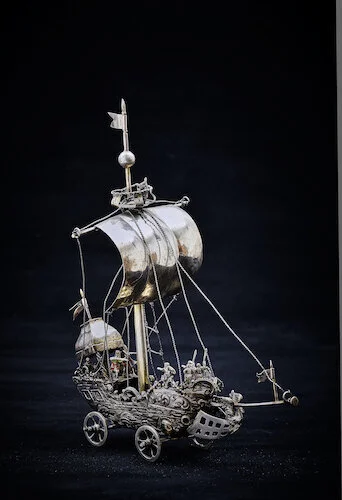
A large number of historical objects have also been selected from the museum collections in Mons. We may observe and interpret artefacts whose meaning escapes us because we no longer know the context or because their meaning remains mysterious. From this connection – or clash – comes sparks of unexpected beauty and surprising tensions that offer the visitor another perspective. Whatever the era in question, the feelings and emotions evoked by these objects remain.
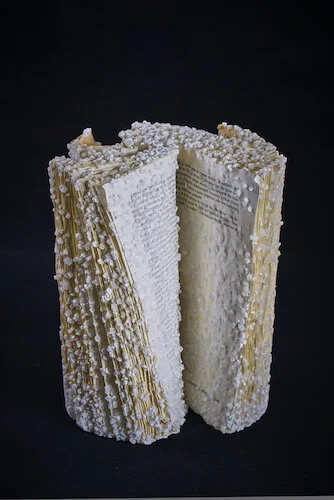
Thérèse Lebrun, Concrétion, 2019. Porcelain paper, columbines / Himalayan cedar. Soaking and assembly. BeCraft member artist © J. Luyten.
Nora De Rudder, Wing’s lamps, 2019 © Phile Deprez
“When designing the spaces intended to receive house exhibits according to various themes, we did not favour classical rectangular or square designs, nor the obvious, conventional, practical or decorative forms.
The starting point of our reflection was based on the arrangement of tents that provide shelter to refugees in areas of humanitarian crises. These makeshift shelters were imagined on the scale of the human body; in their own way, they welcome as many people as possible on a limited area of land, bringing them together, somehow storing them.
In reality, like cabinets filled with curiosities, they gather collections of individuals, each with their own story.“
- Sofie Lachaert and Luc D’hanis
The exhibition is open until January 26th, 2020.
Hero picture: Mehdi-Georges Lahlou, The Hourglasses, 2015. Blown glass, couscous grains. Galila’s collection © J. Luyten
Charles Eames drove through Nuevo León nine years before he ever met Ray, a footnote so small he barely mentioned it for decades. Now it's the opening scene of Mexico's first-ever Eames retrospective.
Uzbekistan has just become the first country in Central Asia to see its twentieth-century architecture recognised by UNESCO, and Tashkent's modernist landmarks are now, officially, the youngest buildings on the World Heritage List.
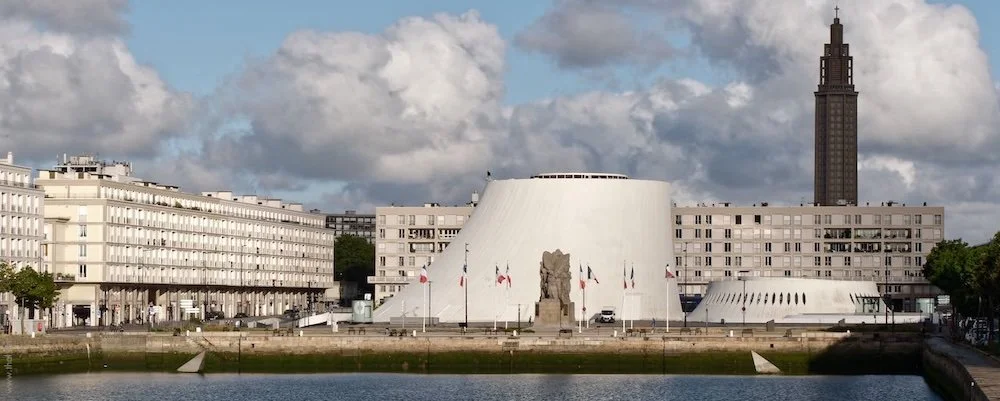
How a Brazilian modernist dropped two white volcanoes into the middle of France's most rigorously rebuilt city… and won!
Concrete convictions: how seven newly independent nations built their identity in glass and reinforced concrete — and why MoMA's latest show could not have landed at a more Instagram-ready moment.
On Noticing Things: M+'s New Exhibition Asks You to Look Again at Everything You've Stopped Seeing
The Italian who made the design world uncomfortable… and then indispensable, finally gets his Tokyo moment.
A new retrospective at the Stedelijk asks an uncomfortable question: how can the designer behind Schiphol's iconic terminal have slipped so quietly out of memory?
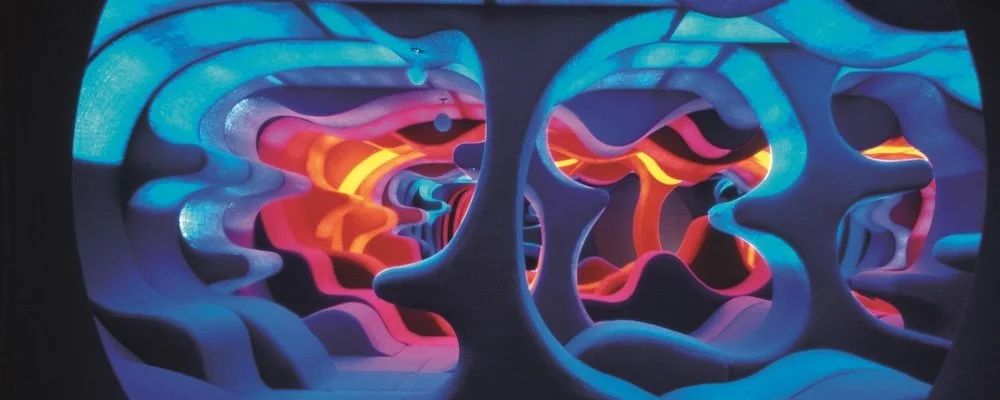
Verner Panton at 100: The man who declared war on beige. From the Panton Chair to the Spiegel Canteen, the Vitra Design Museum’s new retrospective argues for design’s most provocative voice.
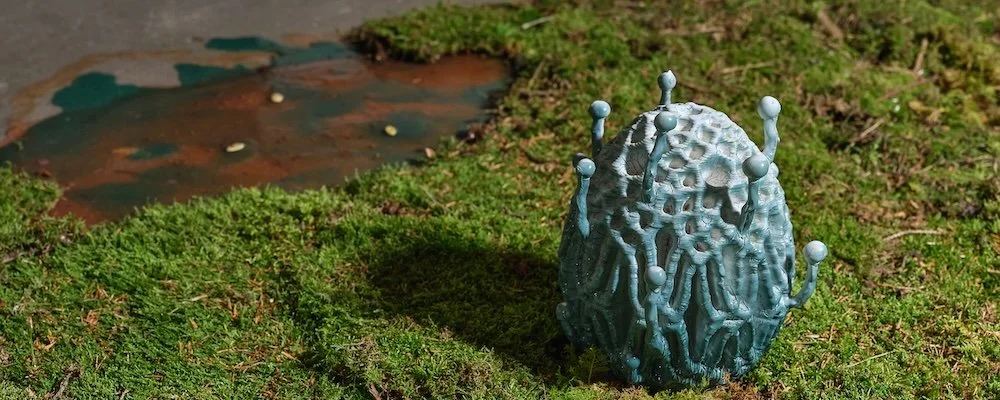
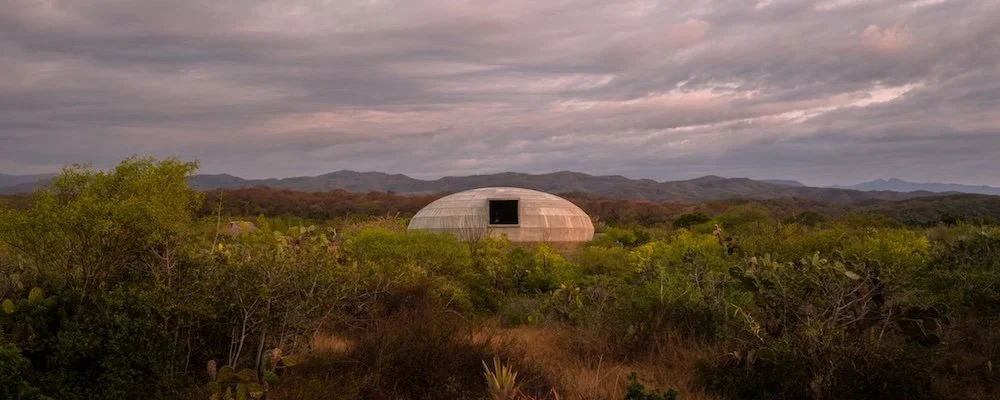
How OMA's new mushroom pavilion at Casa Wabi is turning fungi into architecture, community, and lunch.
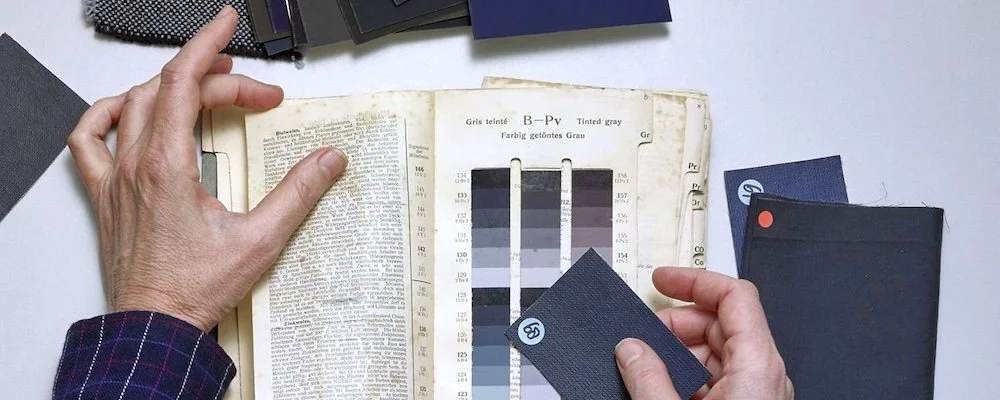
Hella Jongerius doesn’t just make beautiful things—she makes you think differently about them. This spring, the Vitra Design Museum argues for her as one of the most influential design minds of our era.
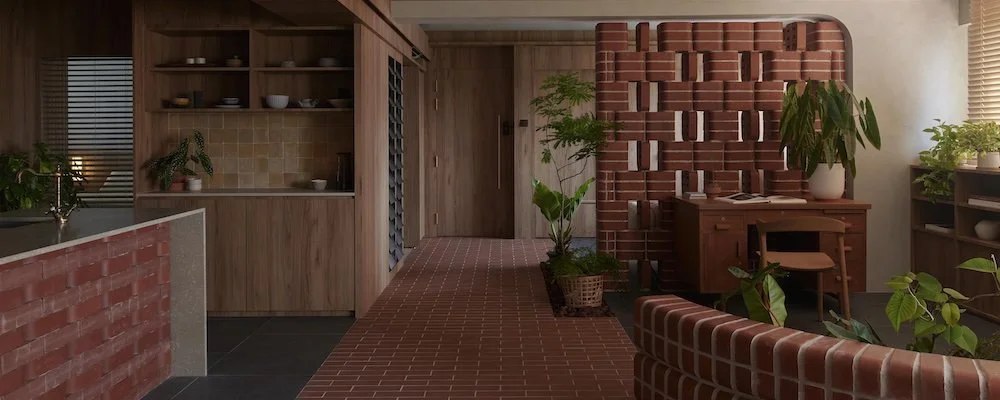
In Singapore, a modest apartment renovation by L Architects reimagines domestic life through red brick, greenery and the spatial logic of a park. In a Park shows how a forgotten material can bring warmth, intimacy and a quietly generous way of living back into the home.
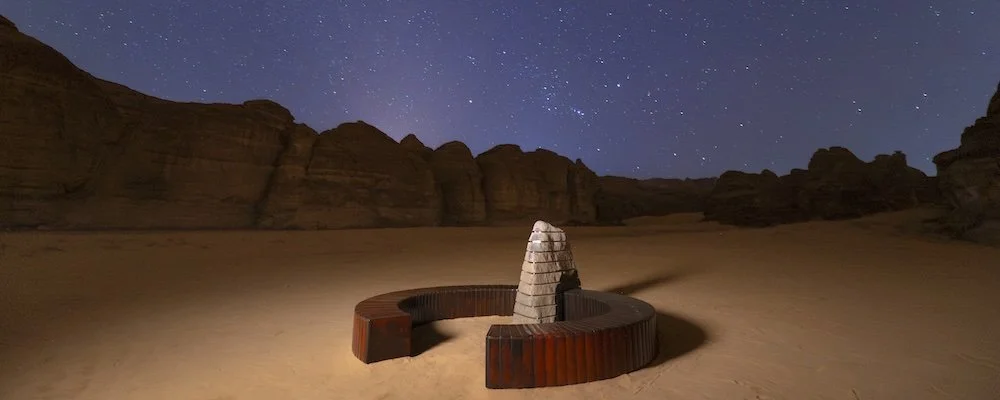
An exhibition exploring design as a situated practice, shaped by landscape, craft and material intelligence in AlUla.
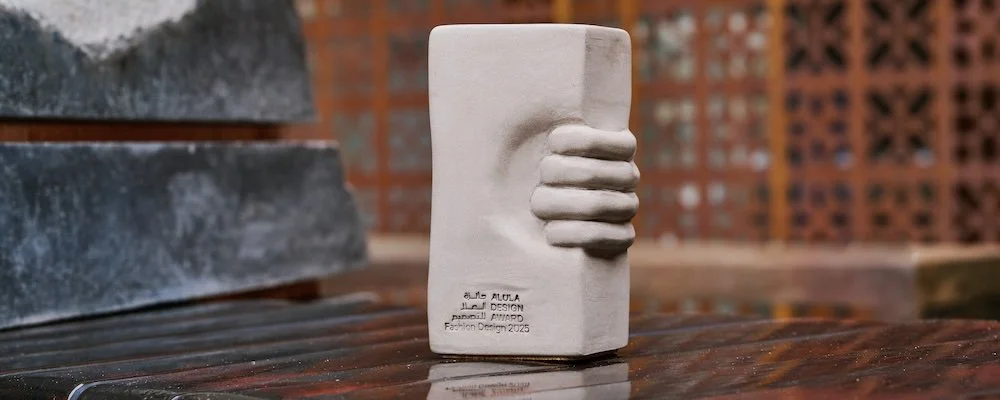
Where the human hand meets ancient ground: AlUla Design Award celebrates design shaped from within.
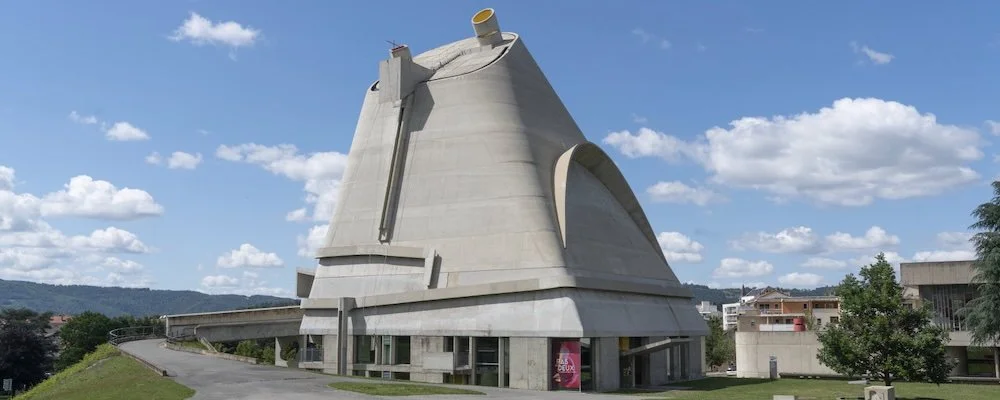
To close this little Advent pilgrimage I wanted a Le Corbusier landmark— but not the familiar hilltop chapel at Ronchamp. Instead one in a former mining town whose industrial grit somehow suits his concrete poetry.
Stop Four: Firminy, France.
Over fifteen years in the making, this church is completely integrated in the transformation process of a neighbourhood of 670 homes.
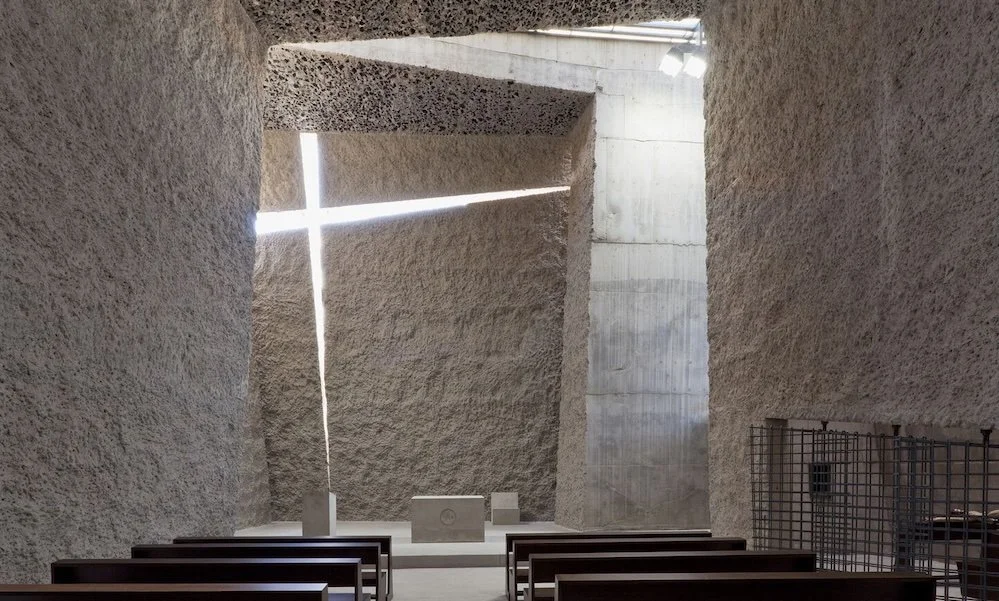
Third stop: San Cristobal de la Laguna, Spain.
Patricia Urquiola’s exhibition at the Centre for Innovation and Design at Grand-Hornu arrives at a moment when design can no longer ignore its own implications.
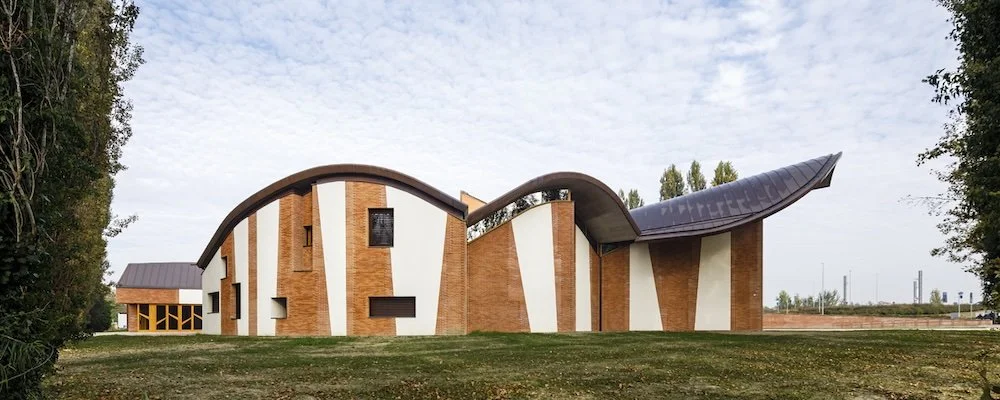
#Advent2025: With its light and organic structure, this church contrasts with other religious buildings in the same city.
Second stop: Ferrara, Italy.
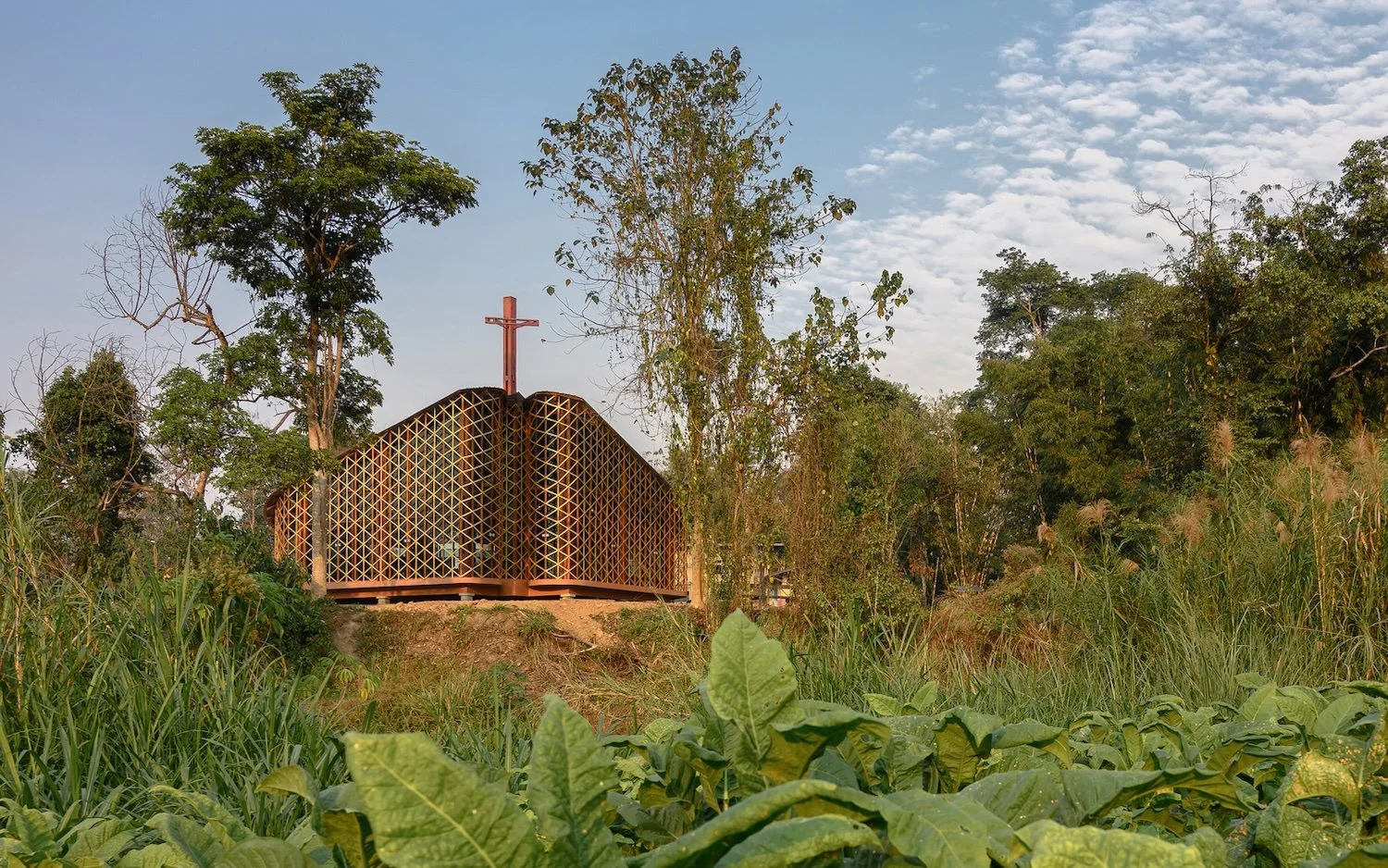
This Advent I am starting a tiny ritual of my own: four Sundays, four churches with architecture that caught my eye. Think of it as a short pilgrimage from the sofa — no architectural degree required, only a soft spot for good timber or a striking silhouette.
First stop: Umphang, Thailand.
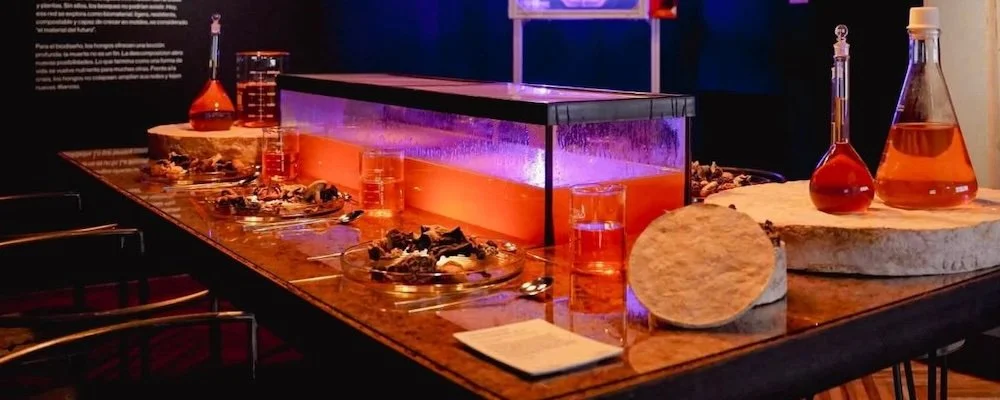
Fungi: Anarchist Designers. A refreshing exhibition that casts fungi not as trendy materials but as autonomous designers with their own unruly logic, far beyond our control at the Nieuwe Instituut, Rotterdam.
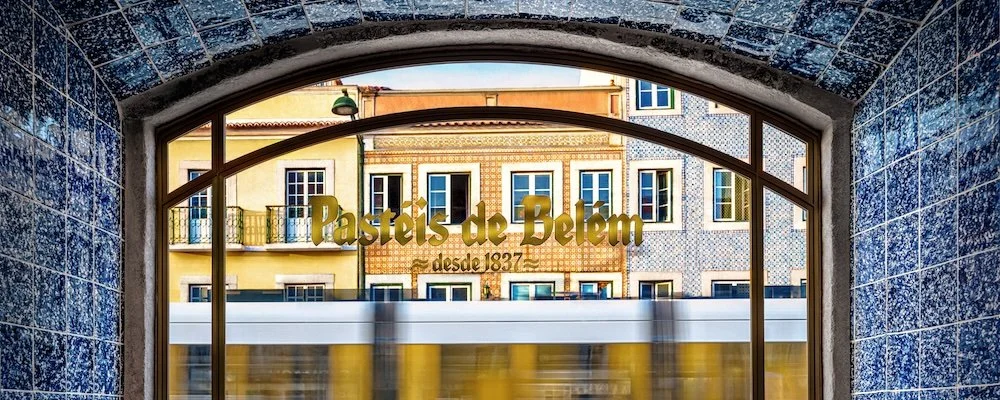
A contemporary interpretation of Lisbon’s most beloved bakery, where Gracinha Viterbo blends heritage, craftsmanship, and modern elegance into a timeless new space.
In its fourth edition, the AlUla Design Award invites designers from around the world to take part in an open callcelebrating “The Ingenuity of the Human Hand” across two tracks: Fashion Design and Product Design.
At the World Design Congress in London, an announcement resonated with unusual urgency: the launch of The Aral School, a bold new educational initiative in Uzbekistan that blends ecology, design, and social innovation.
Helsinki Design Week is turning 20 this year. Over ten days in September, HDW will take over Suomitalo with a multifaceted programme including exhibitions, discussions, launches, workshops, and evening events, while nearly one hundred related happenings will pop up throughout the Helsinki metropolitan area.
Designmuseum Danmark presents THE POWER OF PRINT – an exhibition that shines a spotlight on the rich and often overlooked history of Danish textile printing.
This summer, the Vitra Design Museum invites visitors to experience The Shakers: A World in the Making—a groundbreaking exhibition that examines one of history’s most distinctive design movements and its unexpected relevance in the 21st century.
Friedman Benda presents the first solo gallery exhibition in the United States by Italian design studio Formafantasma.
At this year’s 19th International Architecture Exhibition – La Biennale di Venezia, Uzbekistan Pavilion Unveils A Matter of Radiance at Venice Architecture Biennale.
At Salone del Mobile, Lambert & Fils delves into the bold and dynamic world of South Korean designer Kwangho Lee with Bolda, an unconventional new collection.
Tucked into a quiet north Toronto neighbourhood right next to the Don Valley ravine, the West Don Ravine Passive House is a personal passion project for architect Gregory Rubin.