Ten Years in Rope: Studio Lloyd and South African Design
A decade after its debut, the Cape Town lighting studio is a useful case study in what South African design has gained, and what it still has to prove.
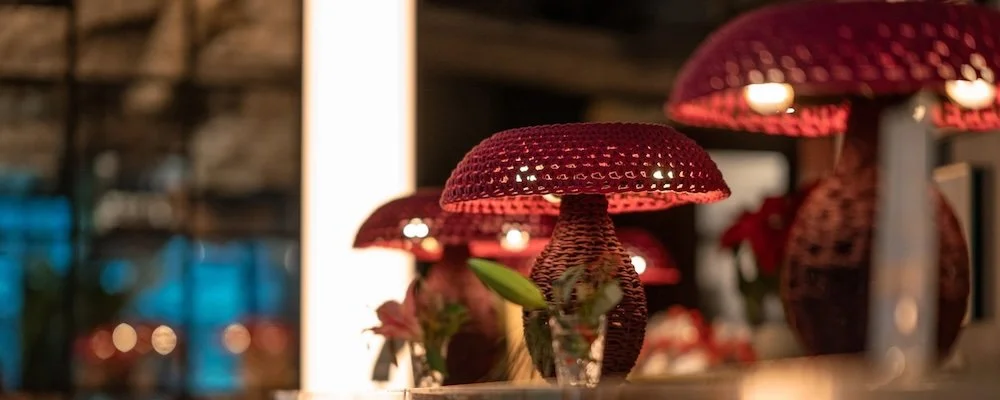
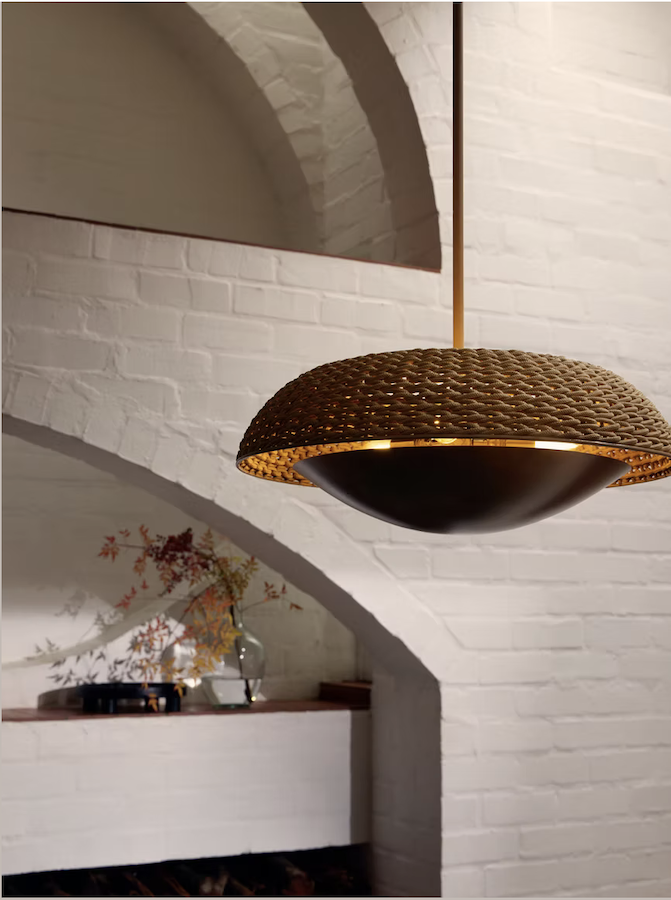
Studio Lloyd's first decade has a neat symmetry. It began in 2016 with a crocheted rope light sculpture, "Molecular", made for Southern Guild's "A New Wave" exhibition of South African designers under 40. It reaches 2026 with limited-edition table and pendant lamps shown at Maison&Objet, where South Africa was this year's featured Rising Talent country. The route from a Cape Town gallery to a Paris trade fair tells us as much about the country's design scene as about the studio itself.
What the studio built
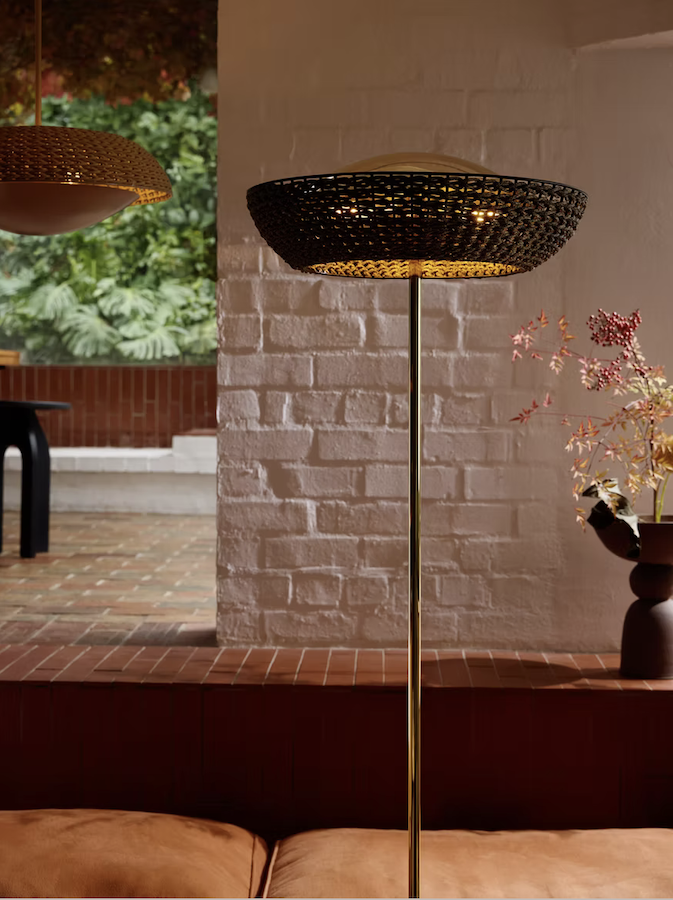
The core idea has barely changed, and that is its strength. Ashleigh Lloyd learnt crochet from her mother as a child, and the studio's output remains essentially a manipulation of that one technique, worked in a synthetic rope borrowed from the yachting industry. The best pieces are the one-off light sculptures, whose real subject is the pattern of shadow they throw rather than the rope itself. The furniture has been more uneven: the pebble-like ottomans are charming, while the Sayari outdoor range, made from invasive eucalyptus, makes an environmental argument more convincing than most in the sector.
The export paradox
The studio's middle years expose a structural problem familiar to many South African designers. Much of its work in that period went to international clients, including private residential commissions in the Middle East under NDAs, so a large share of its best output cannot be shown. That is commercially healthy but critically awkward. A studio can build a reputation abroad while its home audience, and its critics, see only a fraction of the work. In 2024 Studio Lloyd turned back to the local market, exhibiting at Cape Town Furniture Week and Decorex.
What it means for South Africa
Three things stand out.
First, the institutions are working. Southern Guild gave Lloyd her start, and this year's Maison&Objet selection came through a new partnership with Decorex Africa. The jury included South African designers such as Thabisa Mjo rather than being selected from Paris. International visibility is increasingly brokered from within the country, which matters.
Second, craft is being reclaimed as authorship rather than as ornament. Crochet, long dismissed as domestic "women's work", sits at the centre of Lloyd's practice. Her installation with jewellery atelier PICHULIK at the Investec Cape Town Art Fair this year framed rope-making as inherited feminine knowledge. That places the studio within a wider movement of South African women designers treating heritage techniques as intellectual property rather than folklore.
Third, the ambition has shifted from being noticed to lasting. Lloyd, a first-generation South African, has spoken of wanting local design recognised for its quality rather than its origin. Her recent move into bronze reflects a concern with permanence, and she describes her work as "future heirlooms".
The open questions
The studio's next decade will test things its first did not. Smaller, more accessible ranges risk turning a signature into a style. The synthetic rope sits in some tension with the craft narrative around it. It is not yet clear whether the studio's hand will survive the move into bronze. And like much of South African collectible design, its standing still depends heavily on validation from foreign fairs and foreign buyers.
Studio Lloyd is not a revolution. It is proof of something quieter and arguably more useful: that a South African studio can build a distinctive language over ten years, make a living from it, and still have something left to prove.