A Name You Don't Know, An Airport You Do
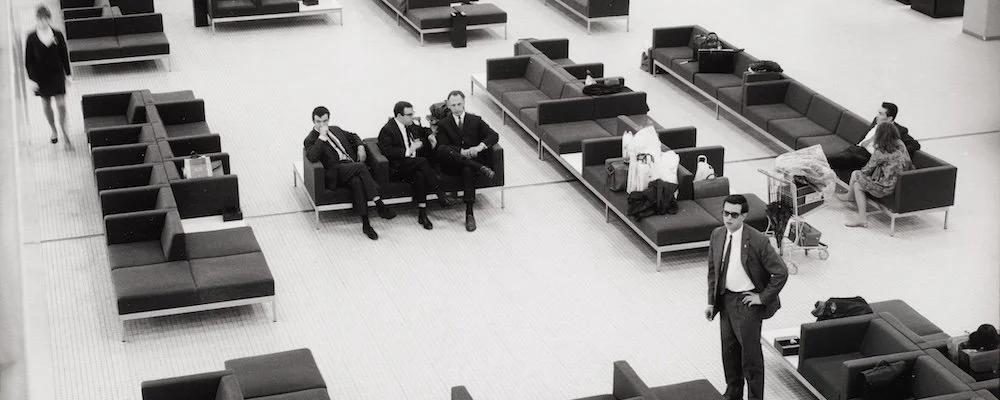
A new retrospective at the Stedelijk asks an uncomfortable question: how can the designer behind Schiphol's iconic terminal have slipped so quietly out of memory?
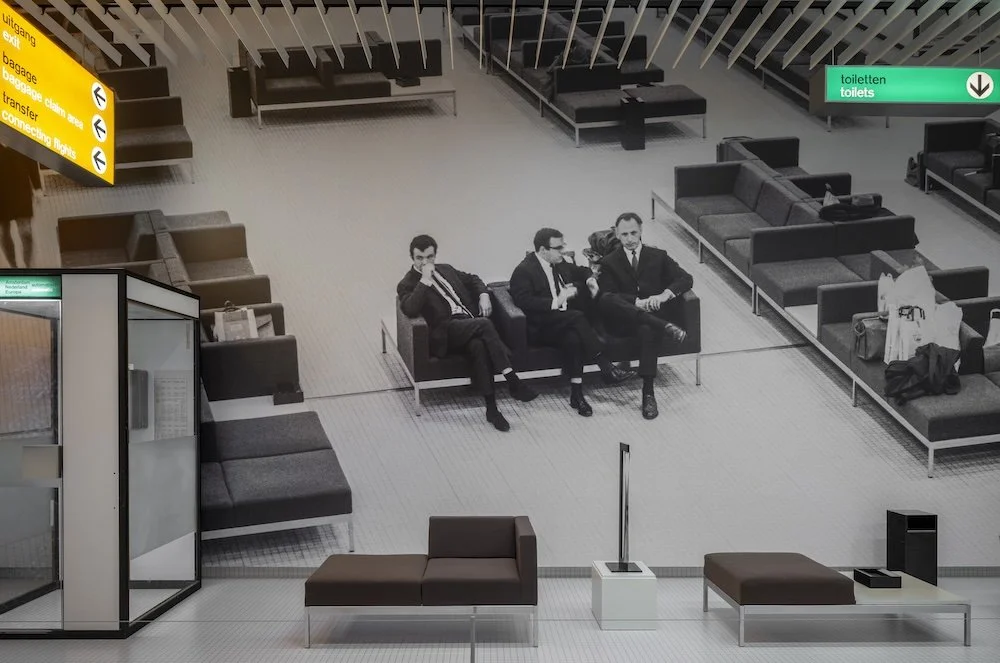
Photo: Peter Tijhuis
I have passed through Schiphol more times than I care to count. As someone who lives out of a carry-on for weeks at a time, airports are not romantic spaces to me. They are infrastructure, necessary friction, a blur of signage and queue management between wherever I was and wherever I'm going. Or so I thought, until the Stedelijk Museum opened its new exhibition and I realised that a man named Kho Liang Ie had been quietly shaping my experience there for decades, and I had never once known his name.
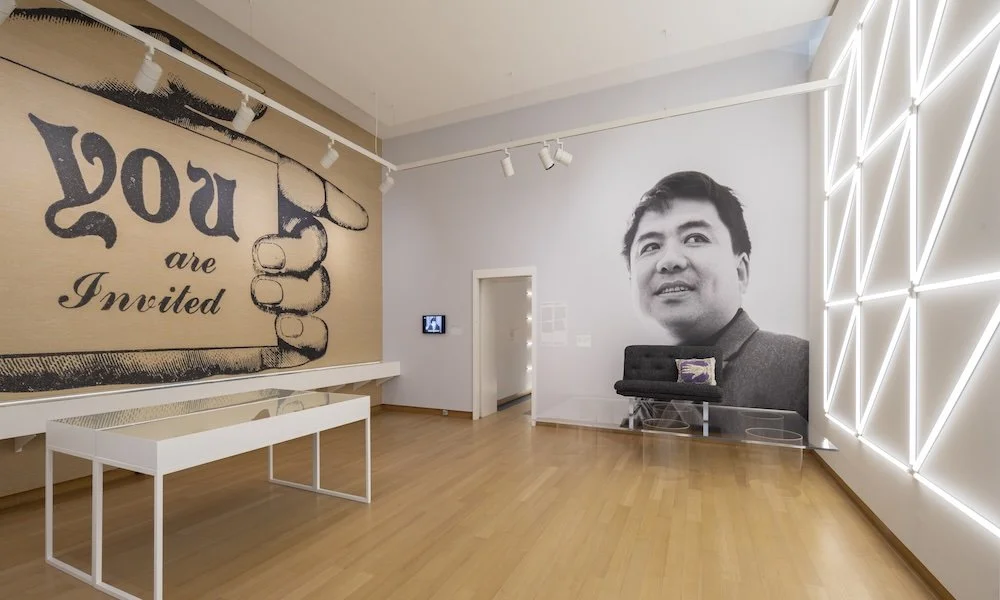
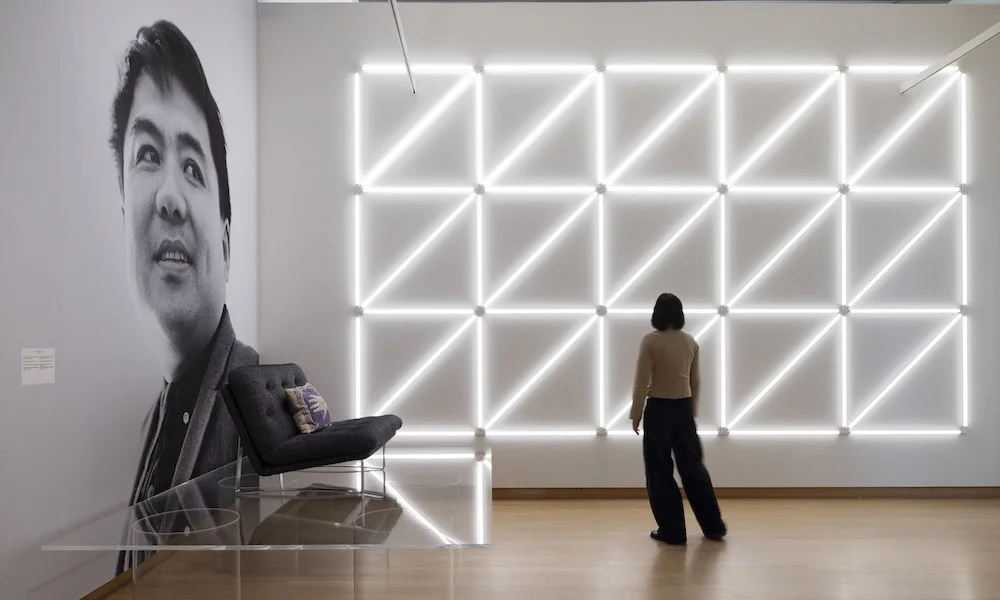
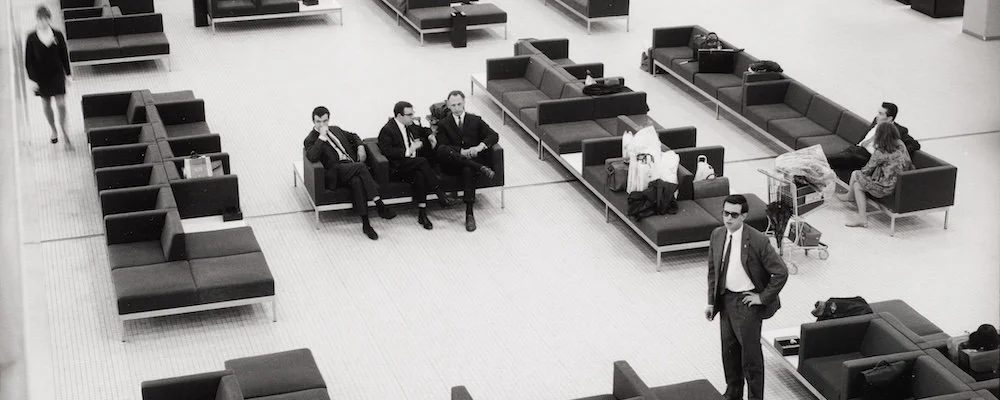
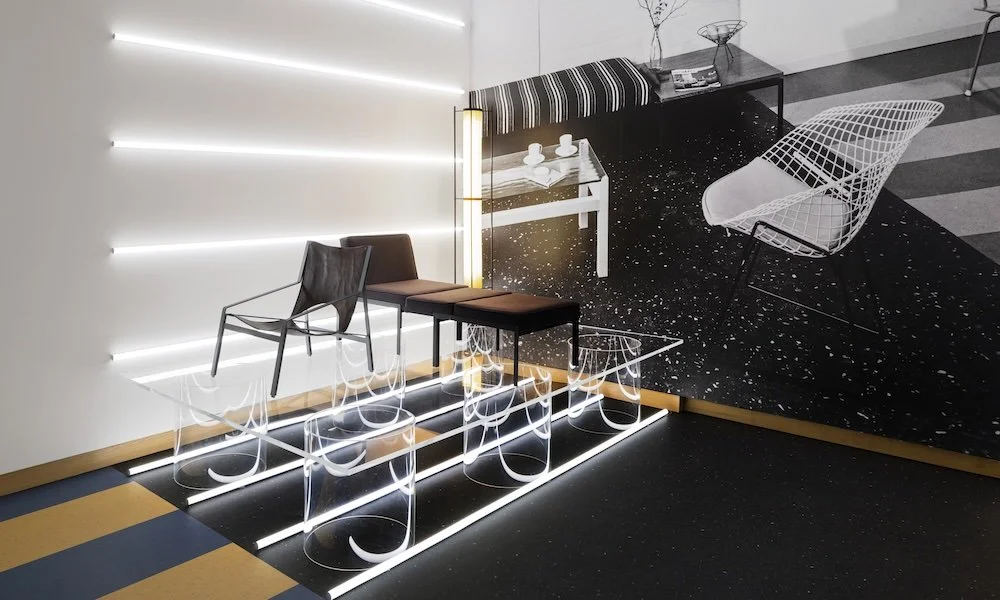
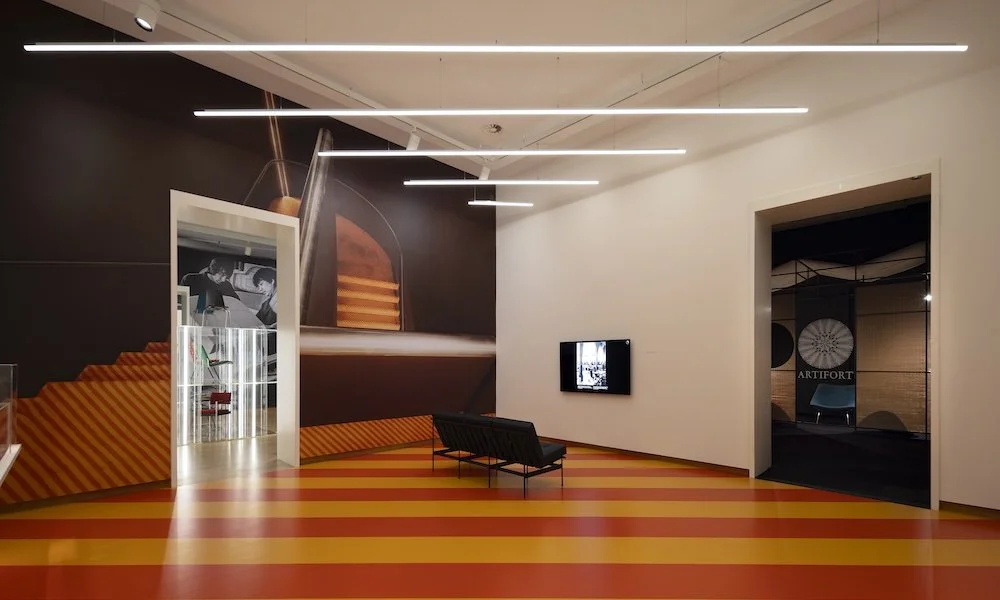
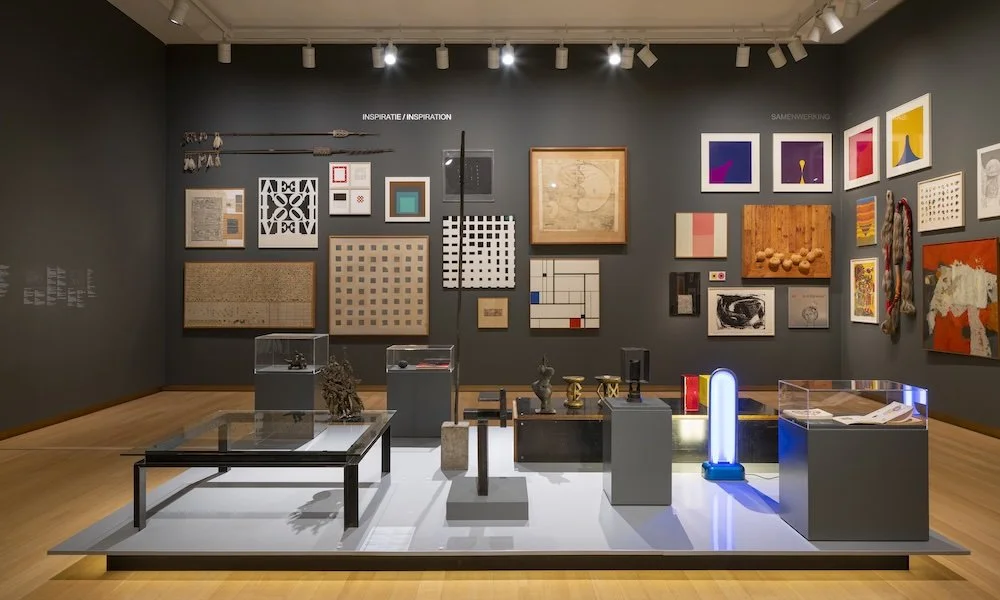
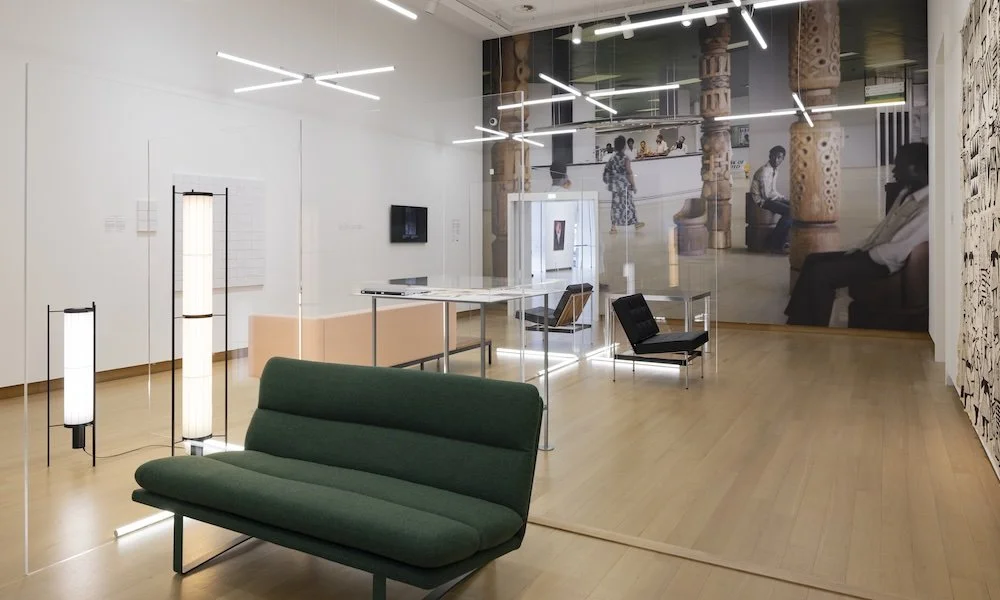
The Stedelijk's first major retrospective of the Dutch-Indonesian designer, open until October, is titled simply Kho Liang Ie — Mid-Century Modernist. It is a warm, precise, and long-overdue reclamation. Over 200 objects fill the galleries - furniture, interiors, graphics, prototypes - but for someone who spends as much time in transit as I do, the centrepiece stops you cold: a reconstruction of part of Schiphol Airport's original 1967 terminal, the project that made Kho's international reputation.
"Two discreet steps leading down after passport control — designed to instil a sense of calm. I've felt that landing without ever knowing why."
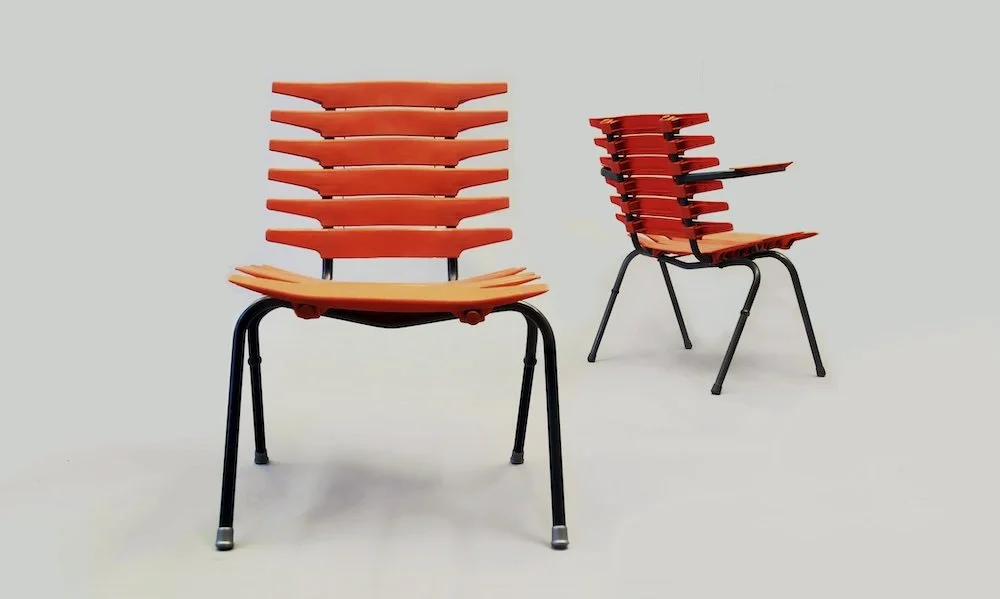
Kho Liang Ie and Jan Ruigrok, patio chair 505 without armrests and 515 with armrests, 1960, prod. C.A. Ruigrok Industrie N.V. (CAR). Coll. Architecture and the Built Environment Department, TU Delft. Photo: Lex Reitsma
Reading the design brief Kho set himself, I felt the particular recognition of someone who has been on the receiving end of a considered idea. He noticed that travellers are often anxious — obvious in retrospect, ignored by most airport designers of the era — and built the entire terminal around managing that anxiety. A barrier-free entrance. Subdued, non-distracting colour. Handrails inlaid with oak for warmth. And then: those two gentle steps down after passport control, a choreographed moment of release. I have descended those steps. I never knew they were a decision.
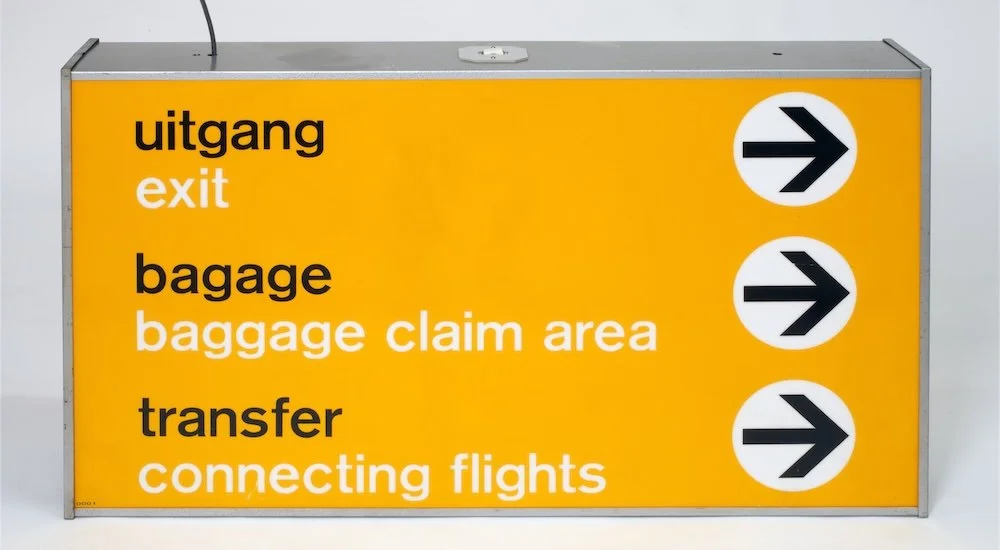
Benno Wissing and Kho Liang Ie, wayfinding for Schiphol with the new arrow, 1967, prod. Omniscreen. Lighting box Kho Liang Ie in cooperation with Interdesign. Collection Stedelijk Museum Amsterdam, gift of H. Bouchier (Schiphol Group)
The famous yellow wayfinding system (note that those arrows so clean they have been imitated internationally) was also his, drawn directly by Kho or under his direction, even though the credit has long drifted to graphic designer Benno Wissing. Curator Ingeborg de Roode makes the correction carefully but firmly in the exhibition notes. It matters. It is a small example of how a career can be quietly redistributed after a person is gone.
Beyond the Airport - A designer who thought at human scale
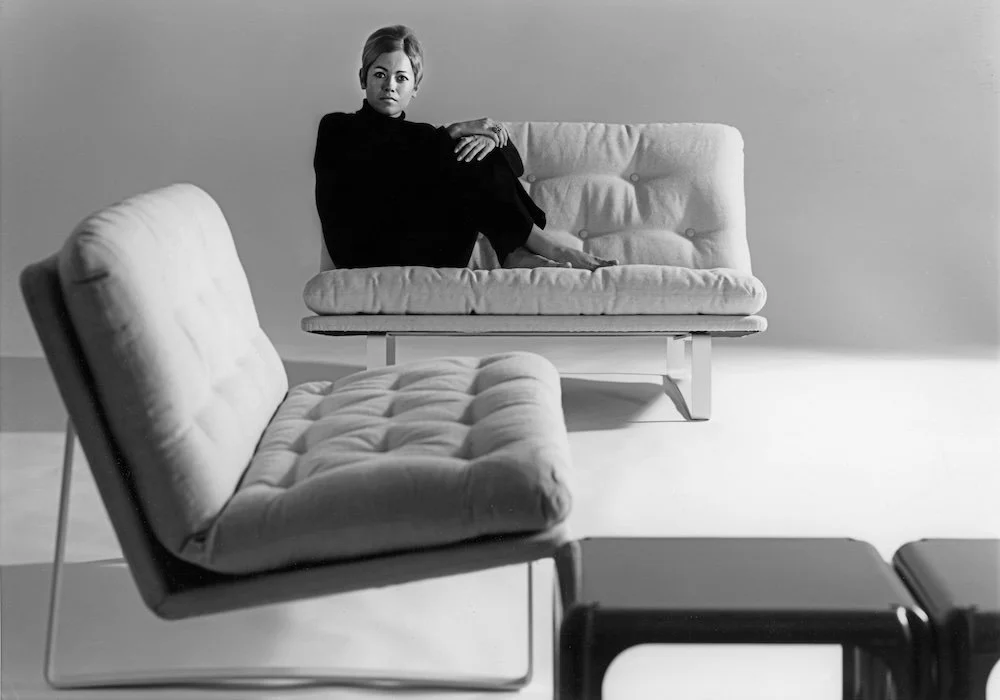
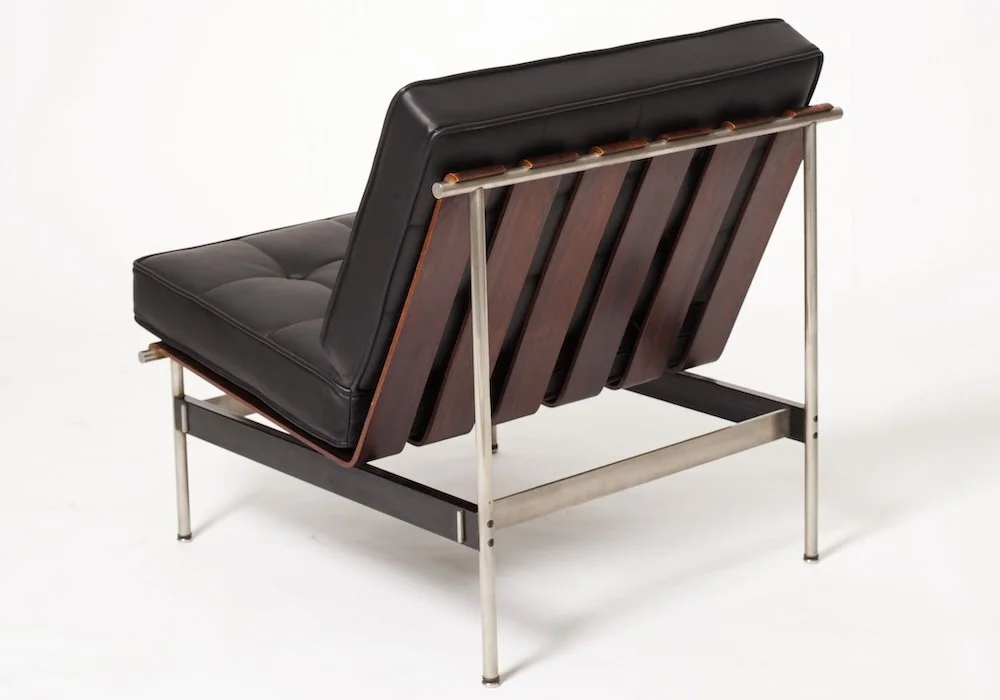
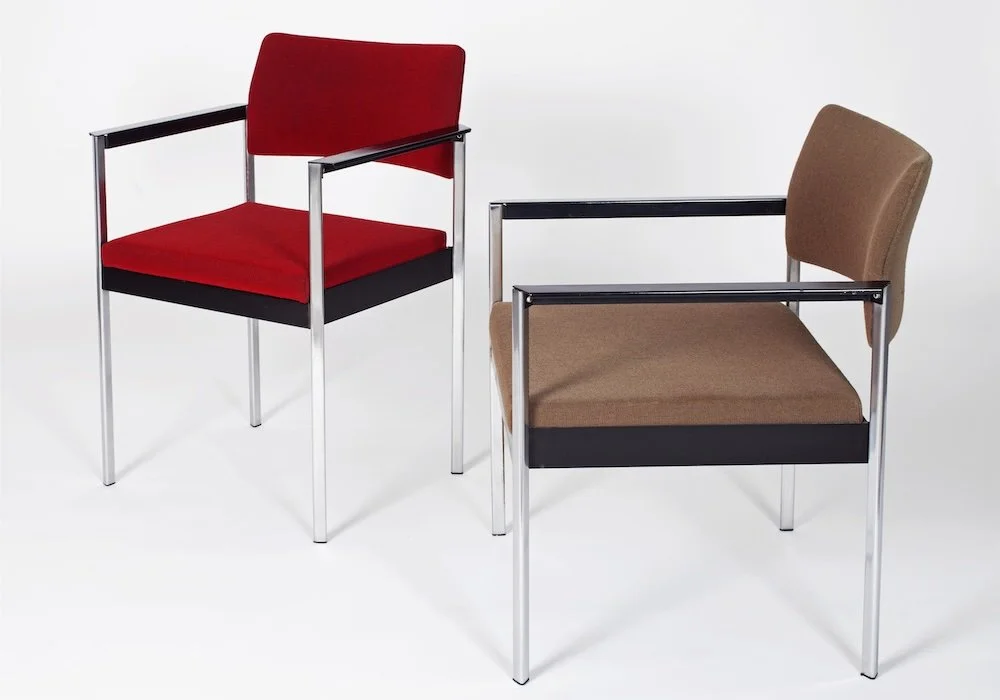
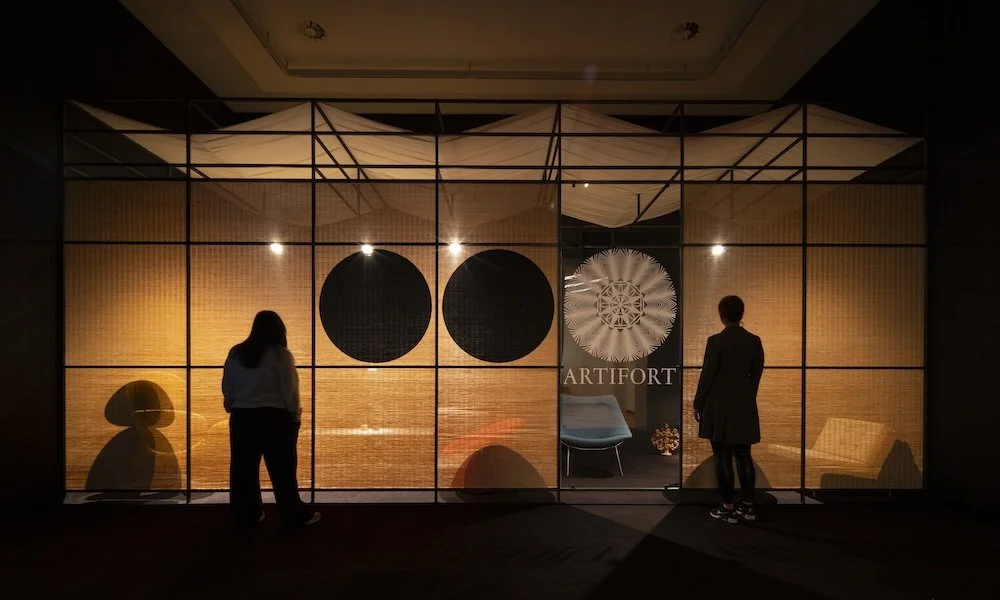
Kho died in 1975, aged just 47, and the retrospective carries the particular melancholy of interrupted work. Born in Magelang, Indonesia, trained at what became the Rietveld Academy in Amsterdam, he built a practice that merged Asian, Danish, Italian, and American influences without ever losing its own voice. His furniture for Artifort, some of it still in production, has the quietly radical quality of things that look inevitable only in retrospect.
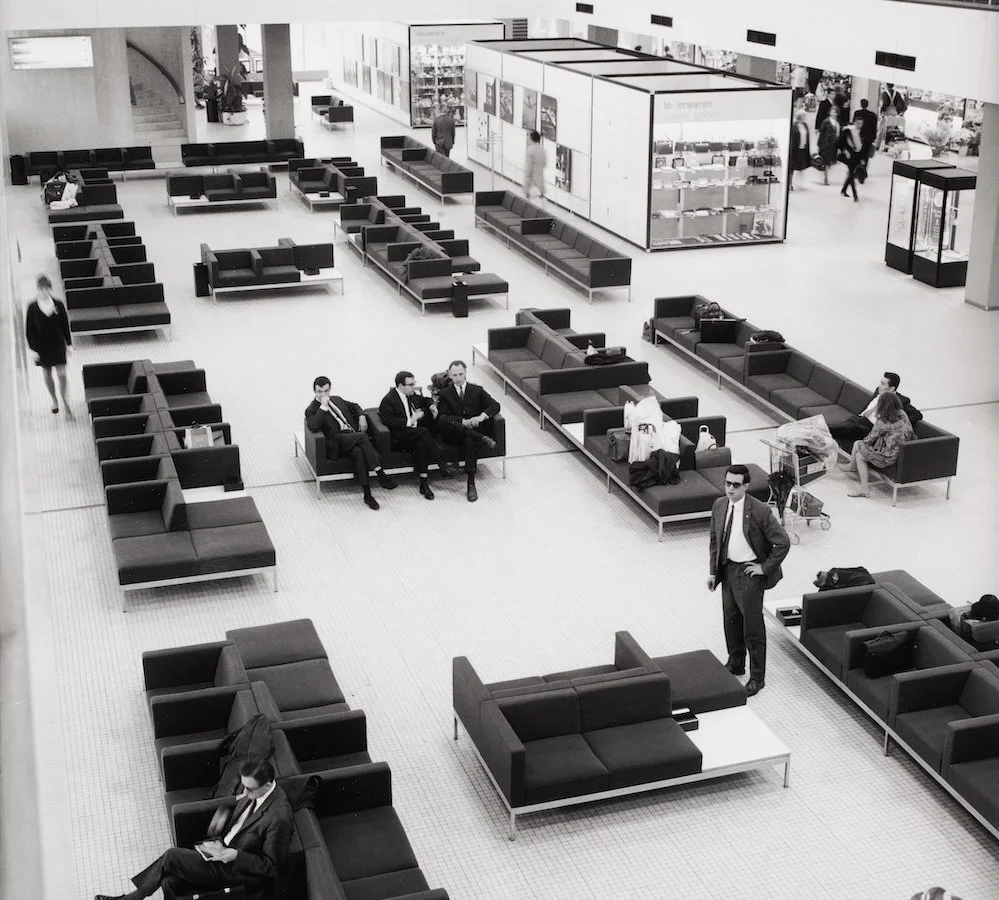
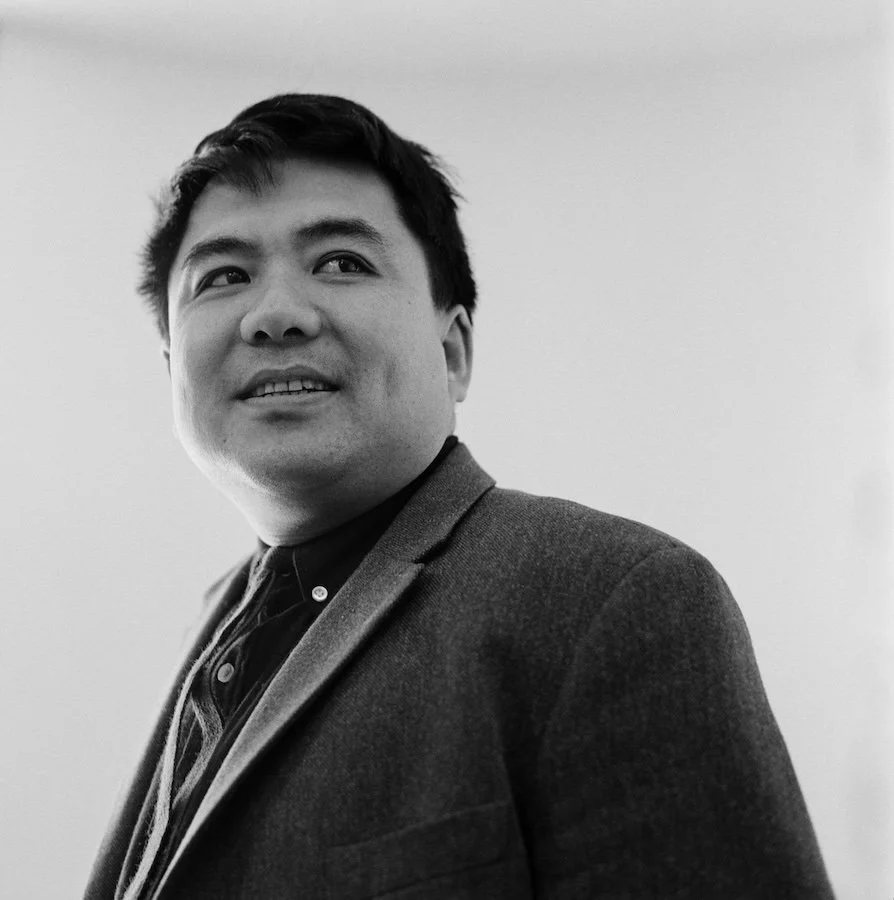
What strikes the frequent traveller most, though, is his preoccupation with how people actually move through and inhabit space. He was designing for one-person households and open-plan offices decades before those became the default. His KTS system — roller-shutter cabinets containing a bed, table, lighting, and storage, inspired by the wicker cabin trunks used across Asia to transport entire households — looks startlingly contemporary beside today's micro-apartment furniture. He was thinking about people who move. About people like us.
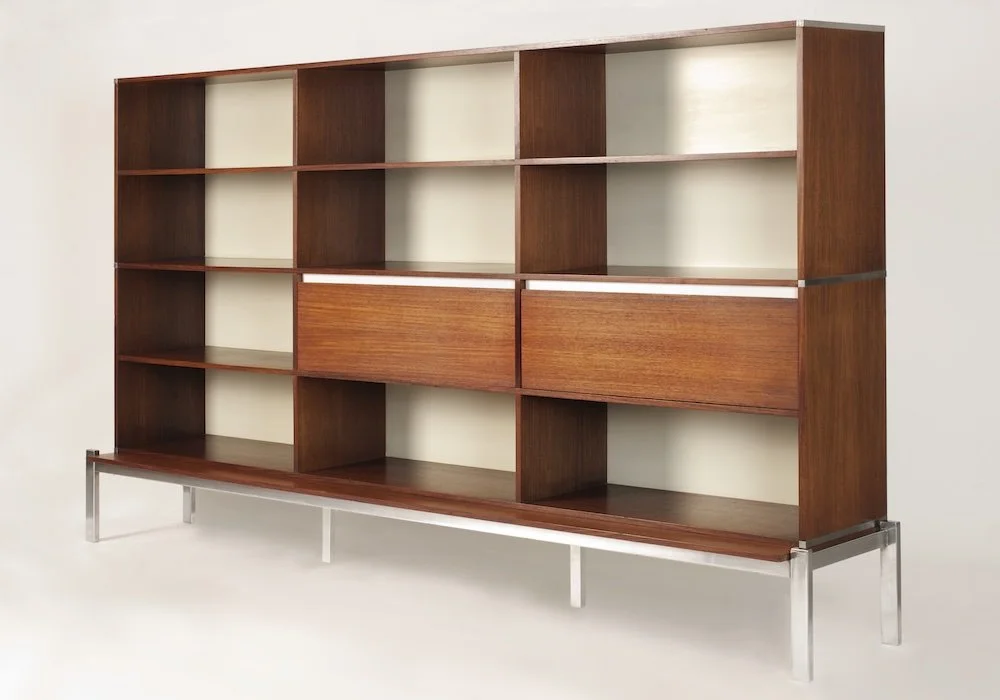
Wall cabinet J-225, ca. 1958, produced by Fristho, Franeker. Collection Stedelijk Museum Amsterdam
Norman Foster, who in 1974 invited Kho to collaborate on the Sainsbury Centre interior, writes in the exhibition catalogue that Kho's work was so inspiring he hoped his own final design would be "in the spirit of what Kho would have created." That Kho fell ill and died before they could work together is one of the quieter losses recorded here.
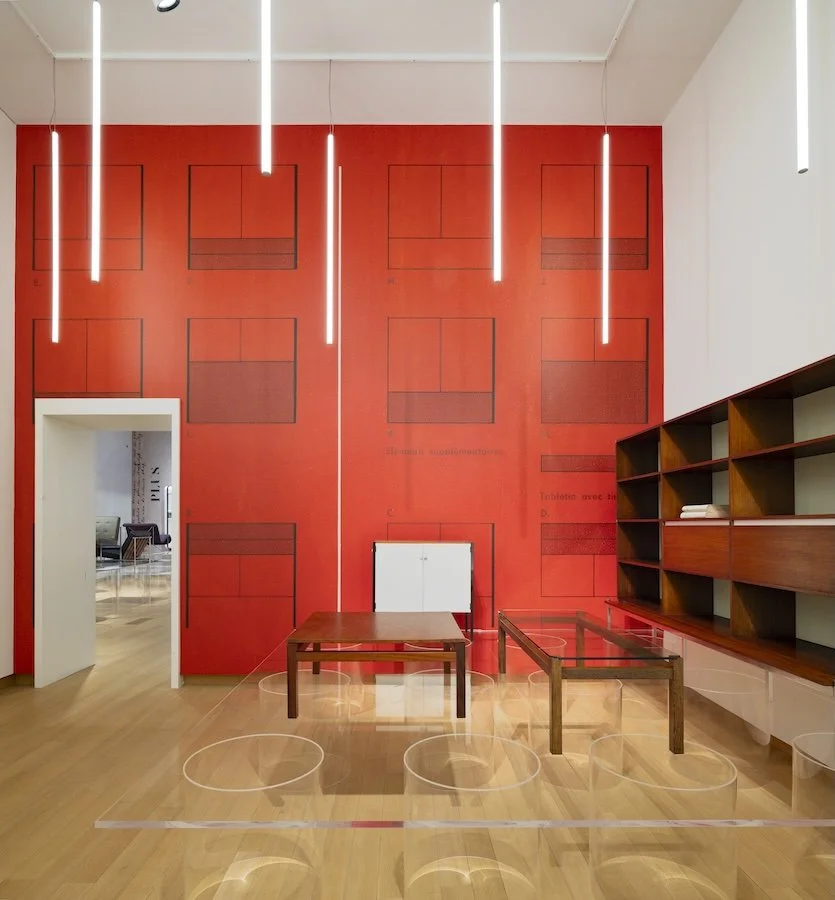
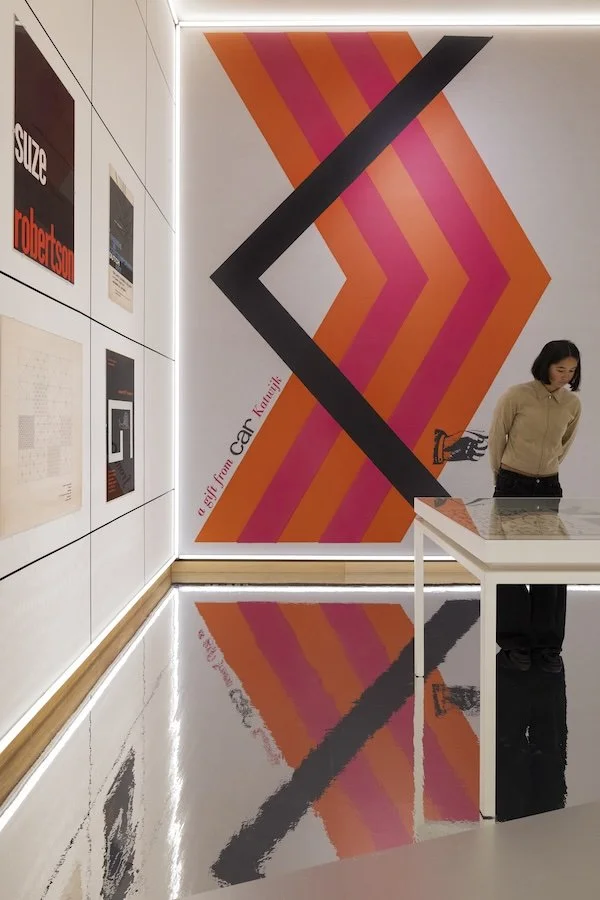
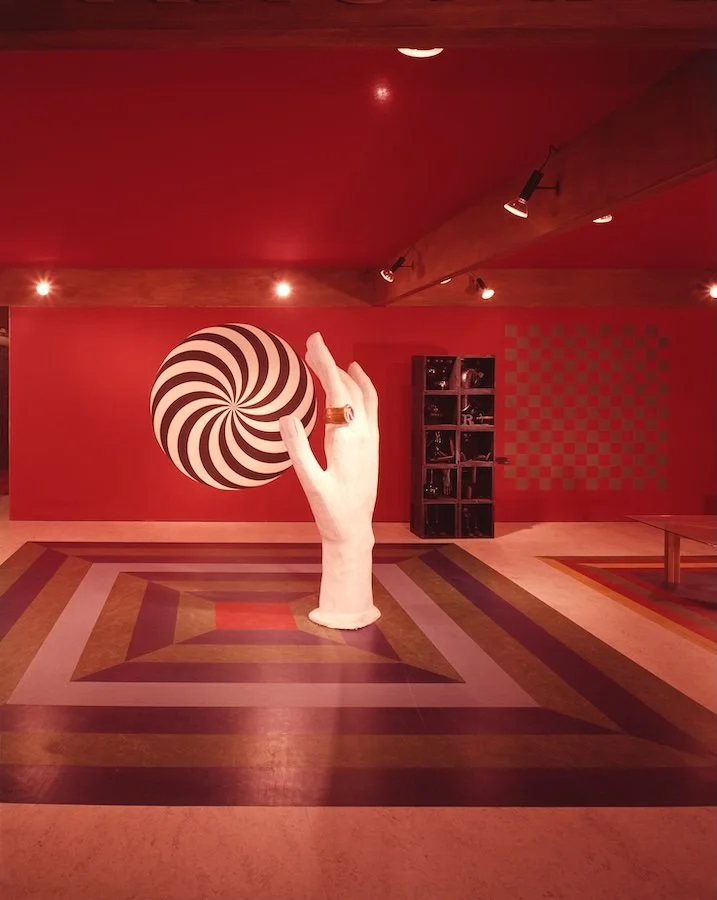
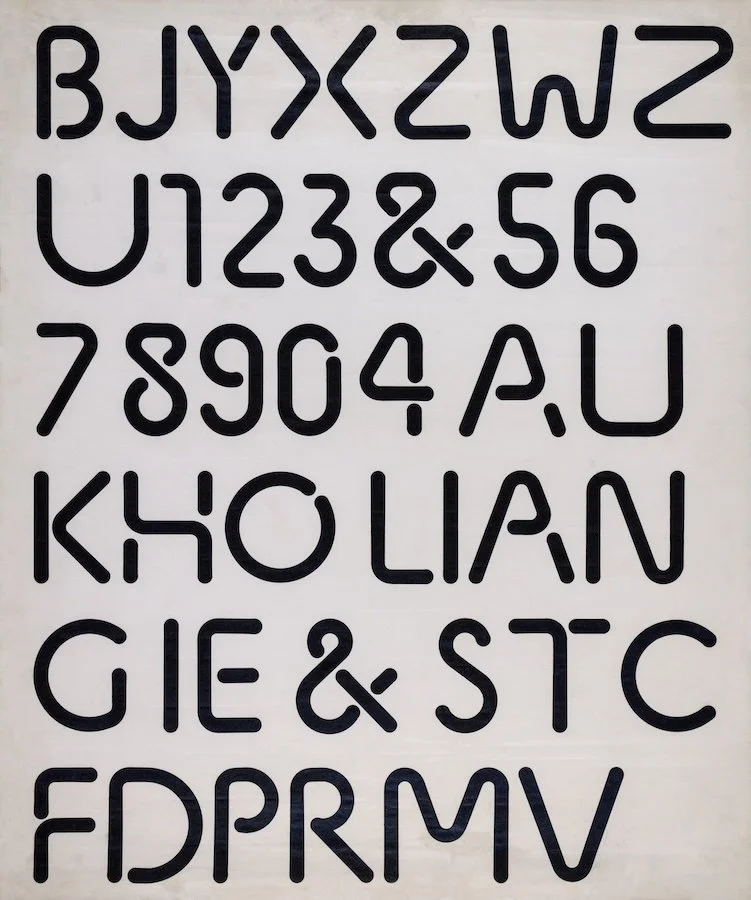
The show was curated by de Roode alongside Eng Bo Kho, and the spatial design by Strijkers Studio holds the material with the same care Kho gave his own work — letting objects breathe, keeping the eye moving. It is the first major retrospective in over fifty years. For a designer of this stature, that gap is almost surreal.
Installation view Kho Liang Ie – Mid-Century Modernist , 2026, Stedelijk Museum Amsterdam. Photo: Peter Tijhuis
If you are in Amsterdam before October, and especially if, like me, airports are part of the texture of your daily life rather than an occasional novelty, I would suggest you to go. You will likely walk through Schiphol on the way in or out. Look at the slatted ceiling of the piers. Feel the oak on the balustrade. Notice the yellow arrow telling you exactly where to go. Someone thought very carefully about you, a stranger in transit, and arranged all of it to make you feel a little less lost. His name was Kho Liang Ie.
Plan your visit: Kho Liang Ie — Mid-Century Modernist - Stedelijk Museum Amsterdam · Through 18 October 2026