Tashkent Just Got Its Concrete Crown
Uzbekistan has just become the first country in Central Asia to see its twentieth-century architecture recognised by UNESCO, and Tashkent's modernist landmarks are now, officially, the youngest buildings on the World Heritage List.
I have lost count of how many times I have landed in Tashkent over the last four years.
So it feels almost personal to write this: on 27 July 2026, at UNESCO's 48th session in Busan, ten of the city's modernist buildings were officially inscribed on the World Heritage List. Uzbekistan is now the first country in Central Asia to have its twentieth-century architecture recognised this way and the youngest buildings on the entire list.
If you have never been to this part of the ex-block, "Soviet modernism" probably conjures grey slabs and a vague sense of municipal despair. Fair, plenty of it looks like that elsewhere. But Tashkent's version is a different animal entirely.
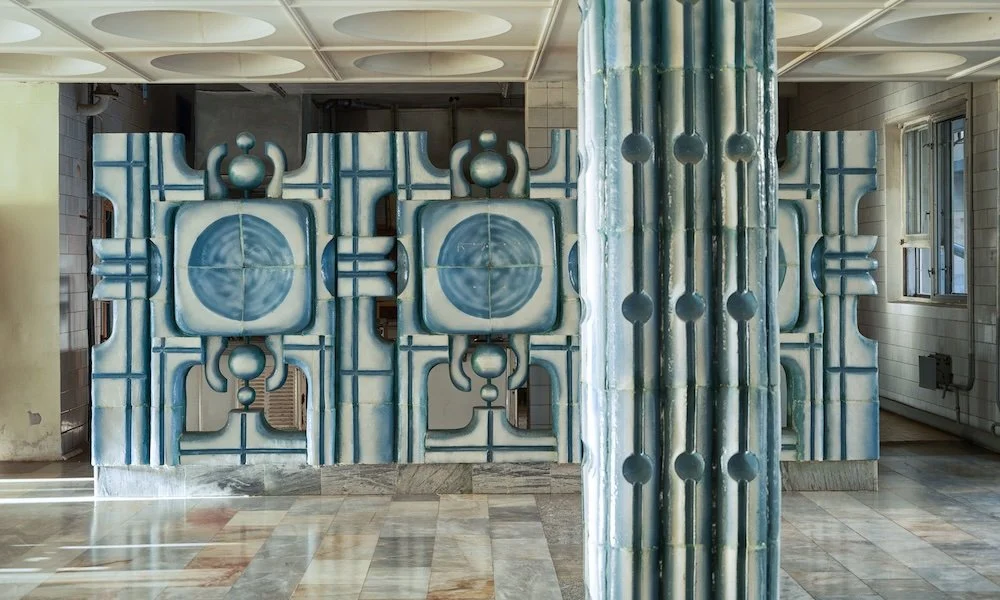
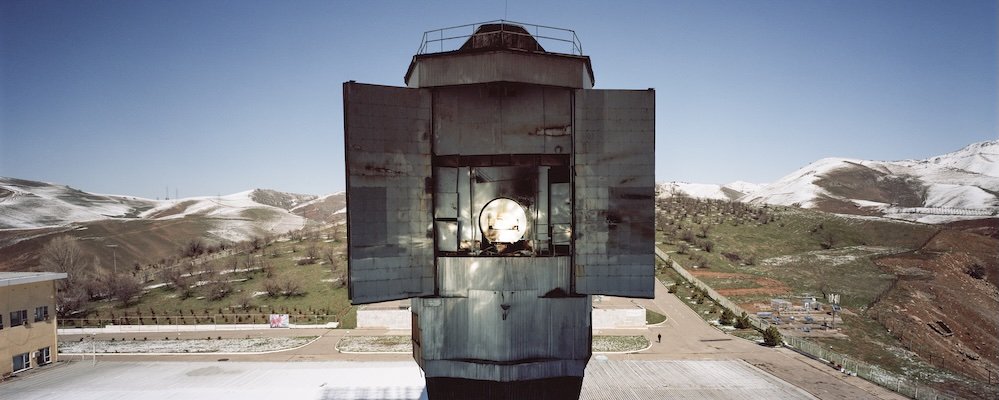
Solar Furnace, courtesy of ACDF. Credit © Karel Balas
The 1966 earthquake flattened huge parts of the city, and rather than rebuild timidly, planners and architects used the disaster as licence to go big: broad avenues, seismic engineering nobody had tested at that scale, and, this is the part people don't expect, a genuine, sustained effort to fuse international modernism with Central Asian spatial logic, climate response and craft.
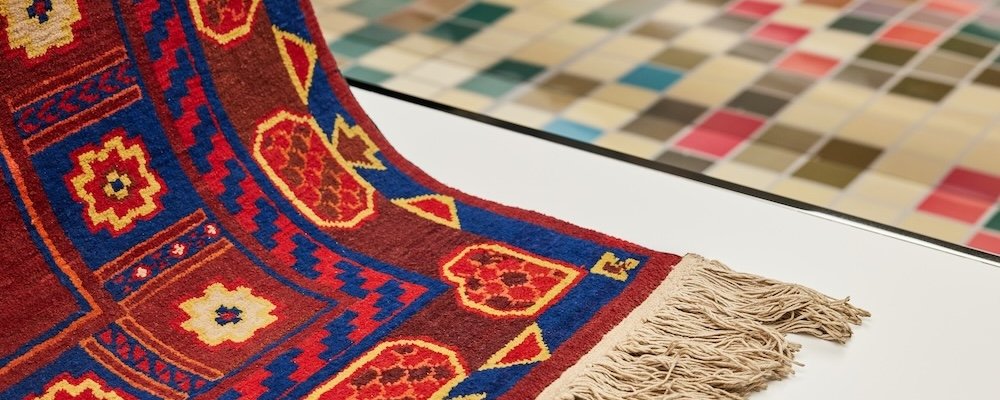
Deep shading, courtyards, water, ceramic and mosaic surfaces that could have come off a madrasa wall. It's modernism that clearly grew up somewhere specific, rather than modernism airlifted in and left to fend for itself.
The ten, and why I have favourites
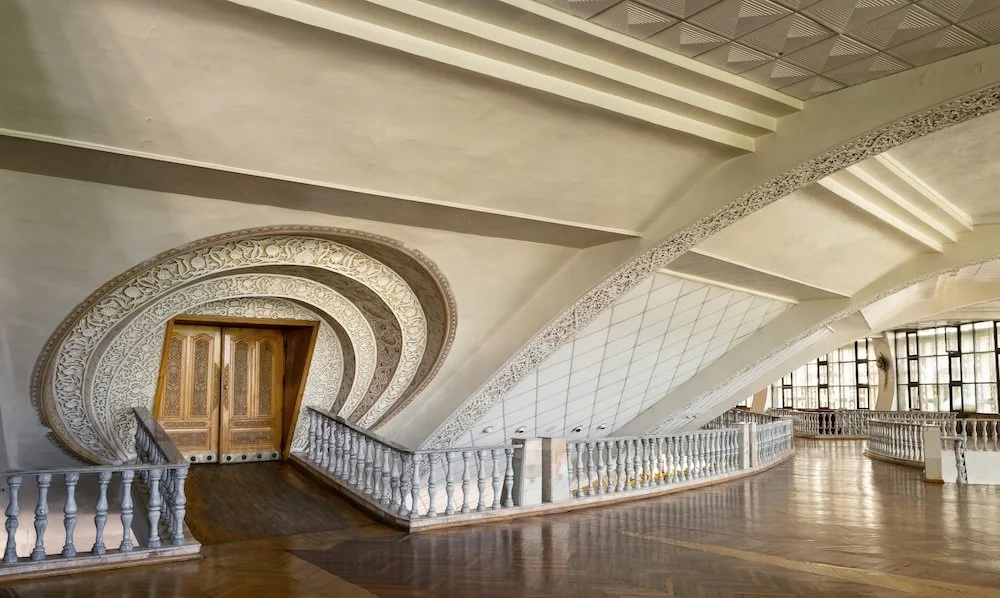
State Circus, courtesy of ACDF_Credit © Karel Balas
The list spans museums, a market, a metro station, a circus, a residential tower and a solar research facility — which tells you something about how expansive this architectural moment actually was.
Zhemchug Residential Building (1975–1985)
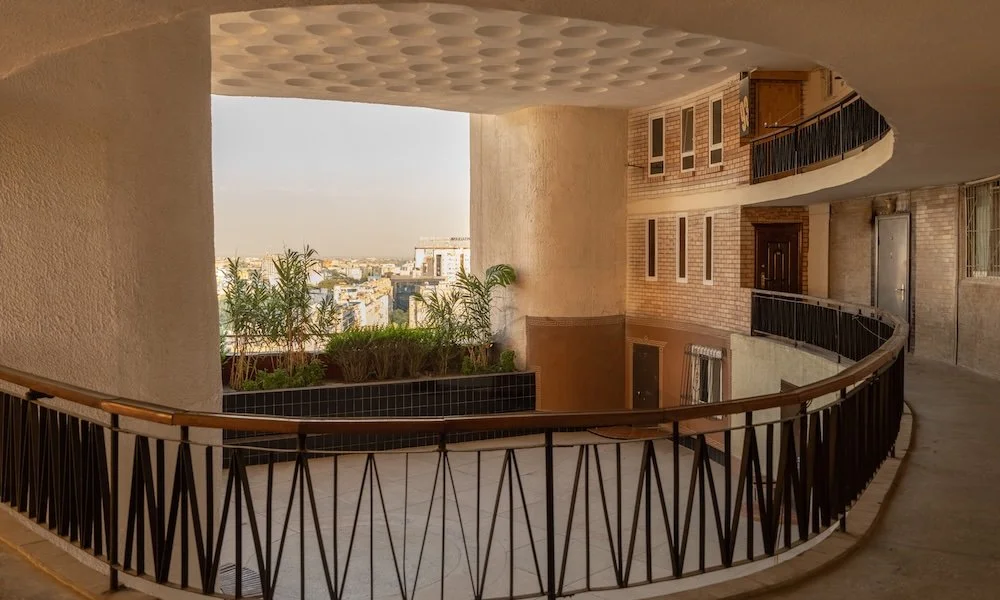
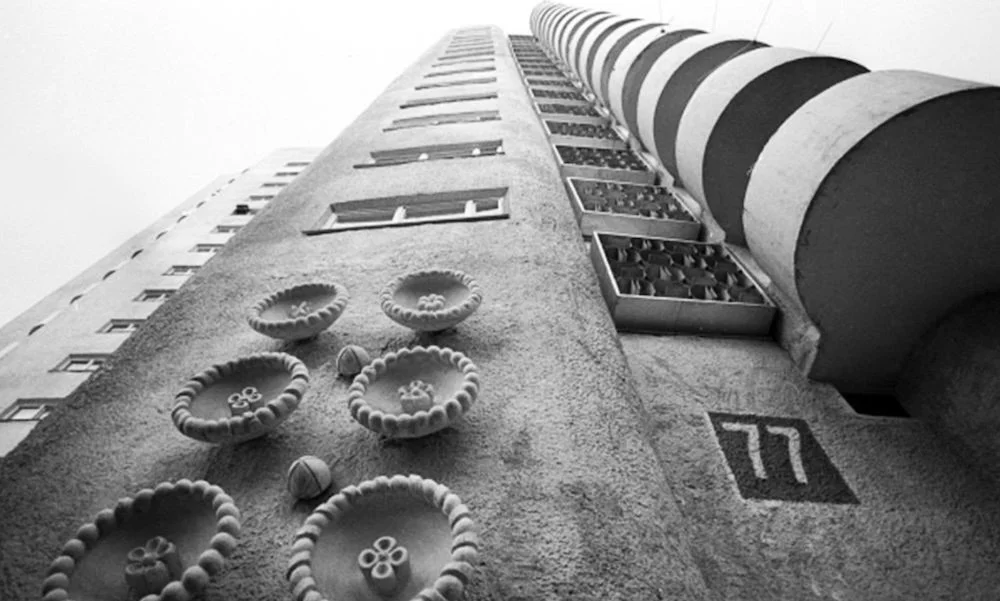


A sixteen-storey experiment in collective living, translating the social logic of the traditional mahalla into monolithic concrete and suspended communal balconies. Honestly, try to go on its roof top… a must but no spoiler.
The Solar Furnace at Parkent (1981-1987)
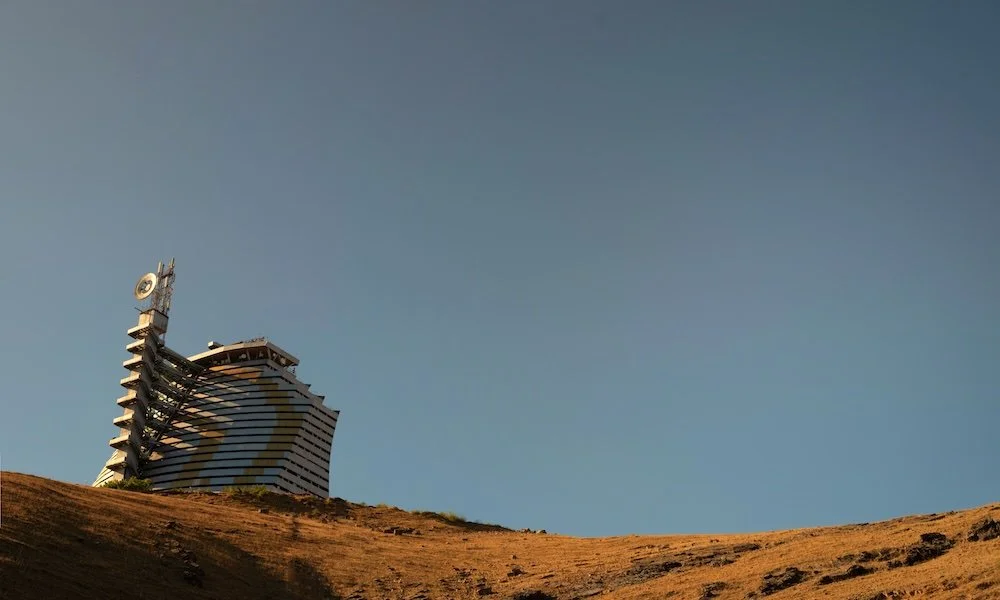
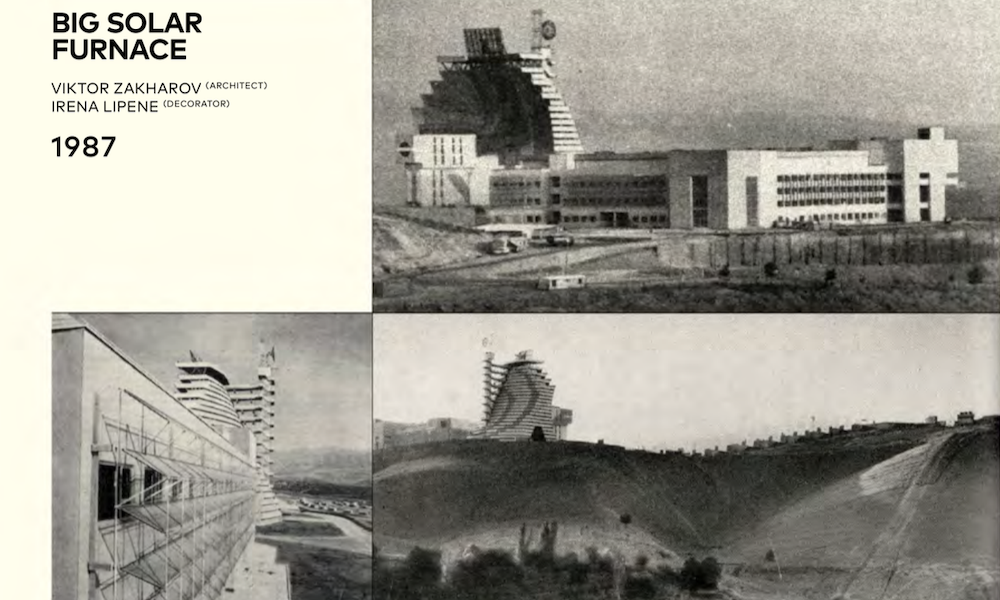
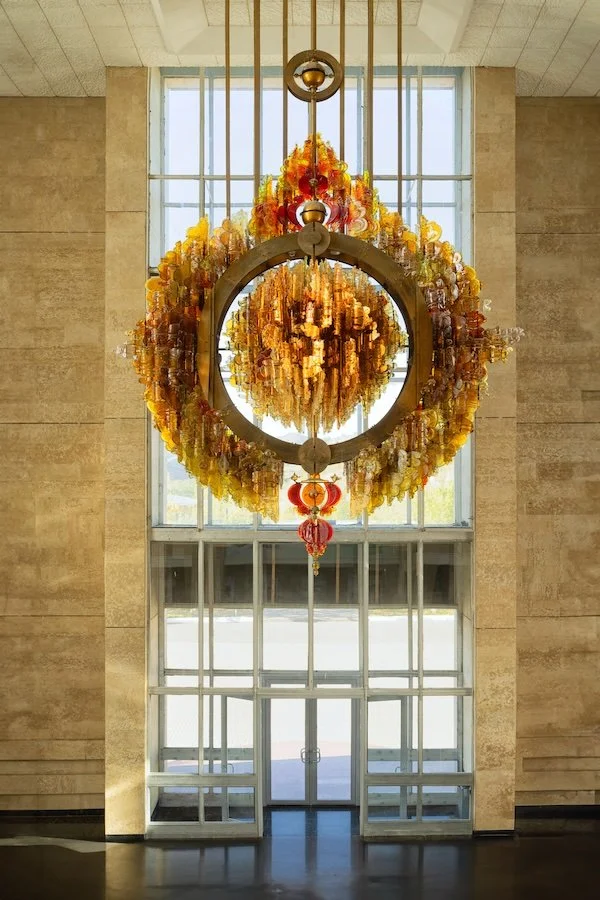

Technically outside the city, but too extraordinary to leave off any list. A parabolic mirror array in the hills, still used for high-temperature materials research. I remember going to its French cousin at Font-Romeu-Odeillo-Via.
State Museum of History (1968–1970)
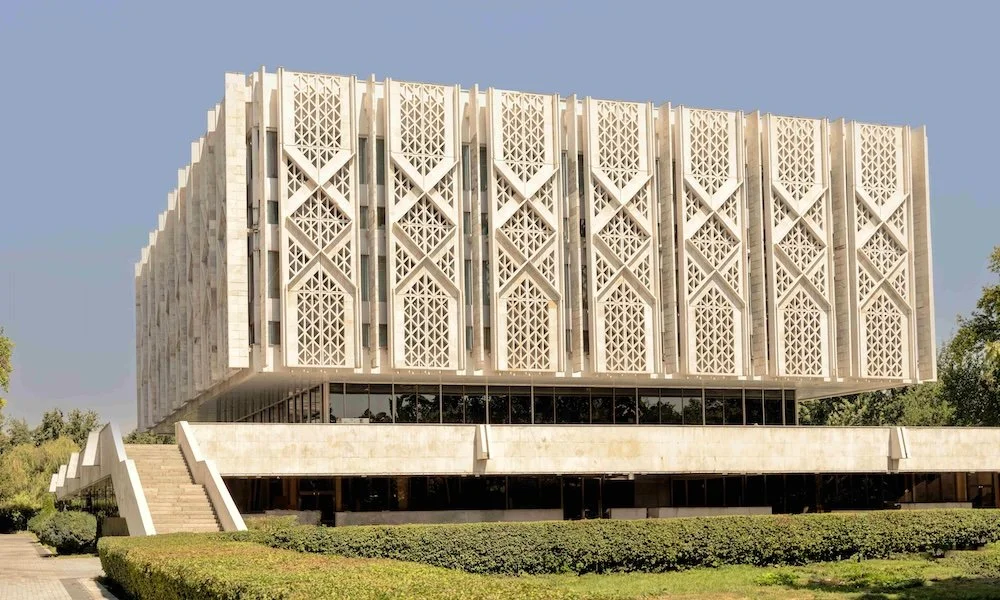
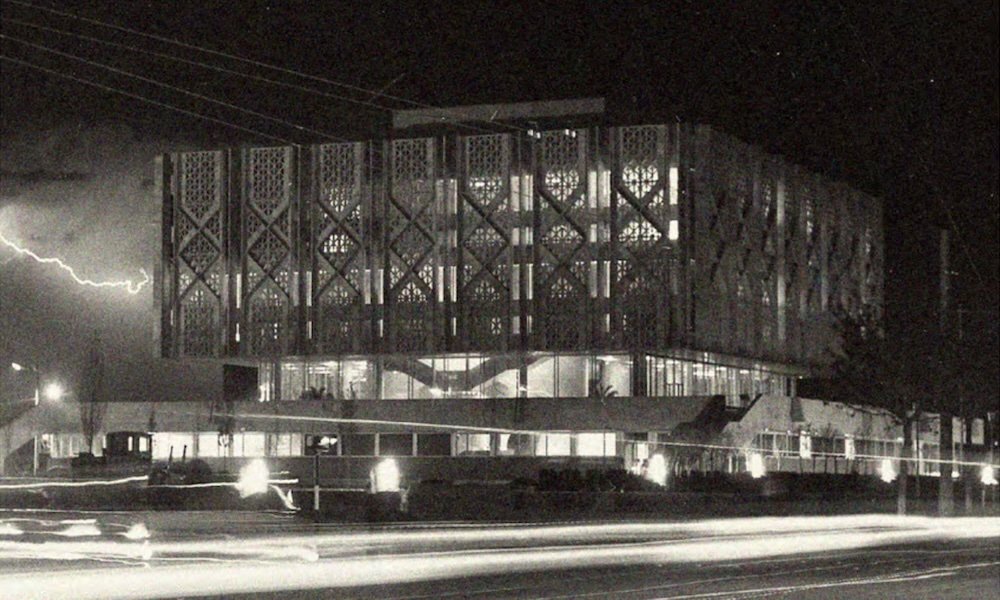


One of the earliest modernist Lenin museums in the Soviet Union, positioned as an urban pivot between two of Tashkent's major squares and built with strong regional architectural references.
People's Friendship Palace (late 1970s–1981)
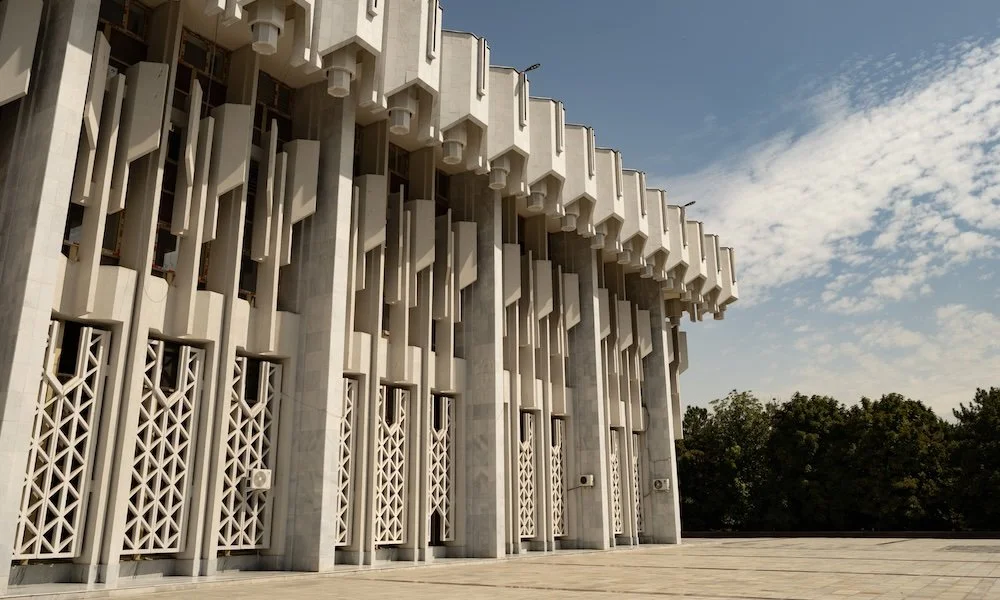
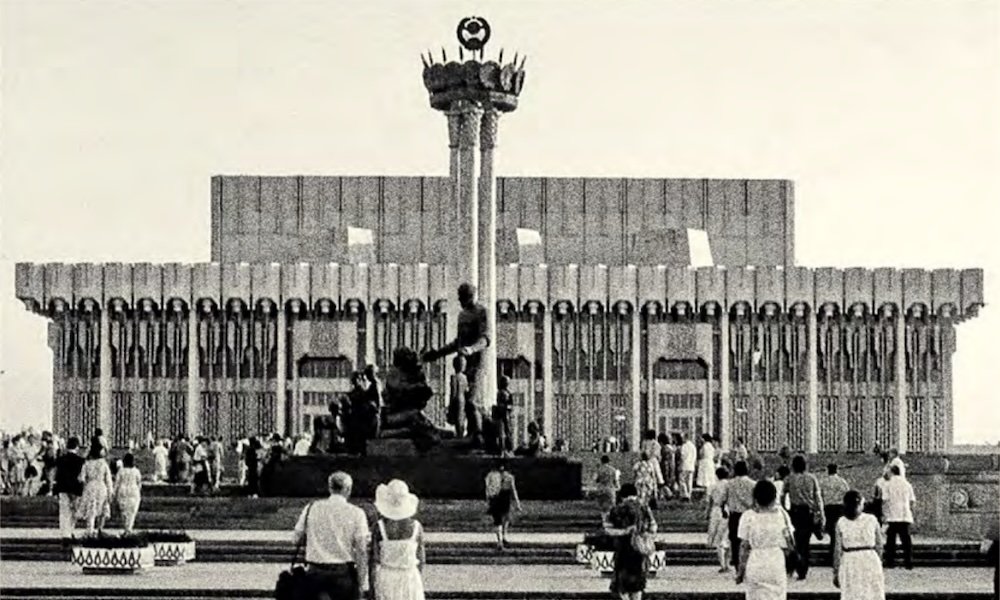
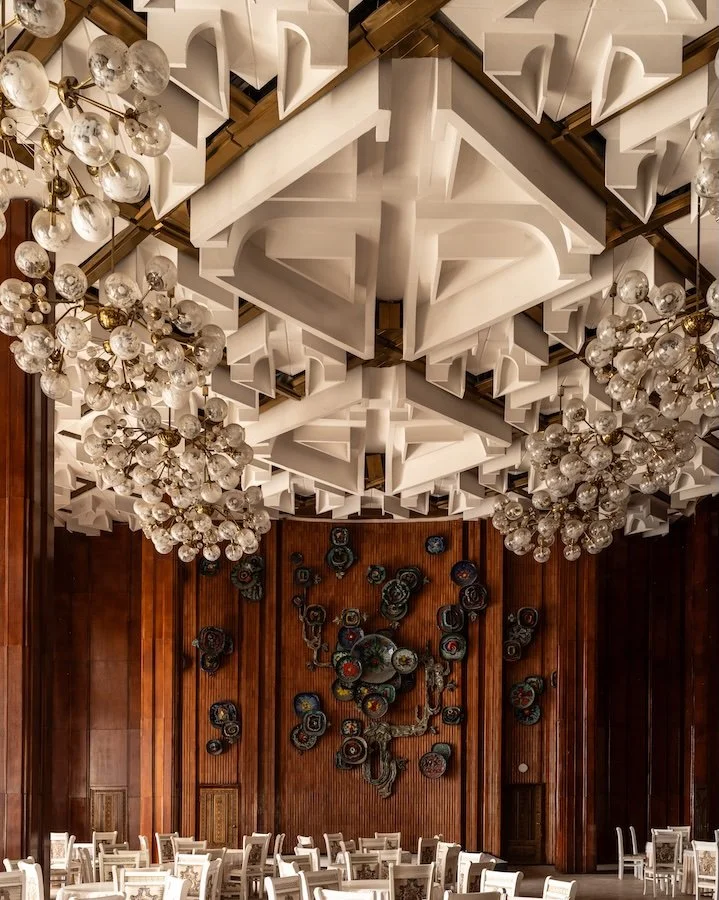

The biggest of the bunch, its rippling lattice façade doing serious work controlling heat and light. Walk the colonnade at golden hour and you will understand why it made the cut.
State Museum of Arts (1967–1974)
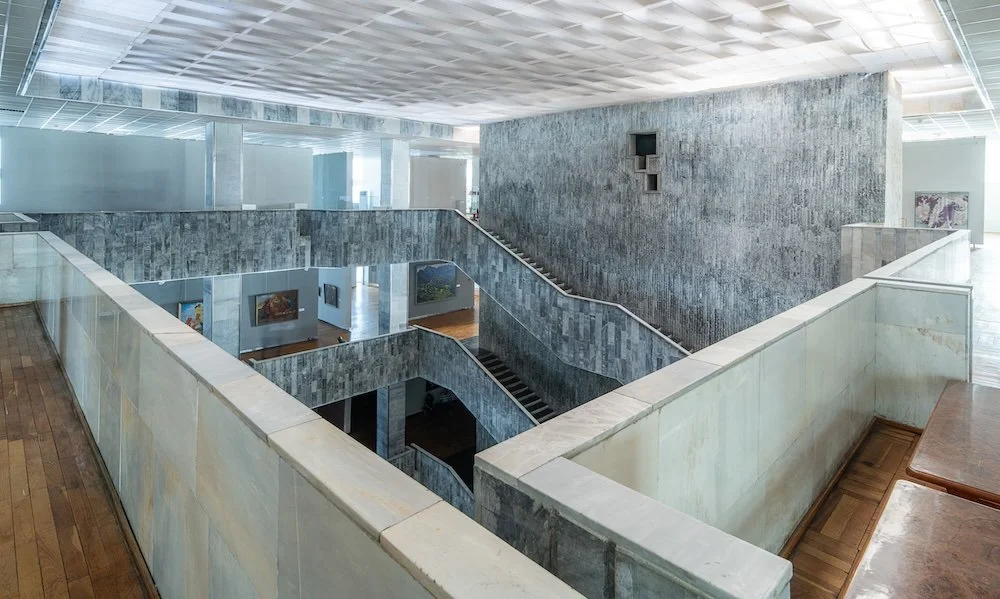
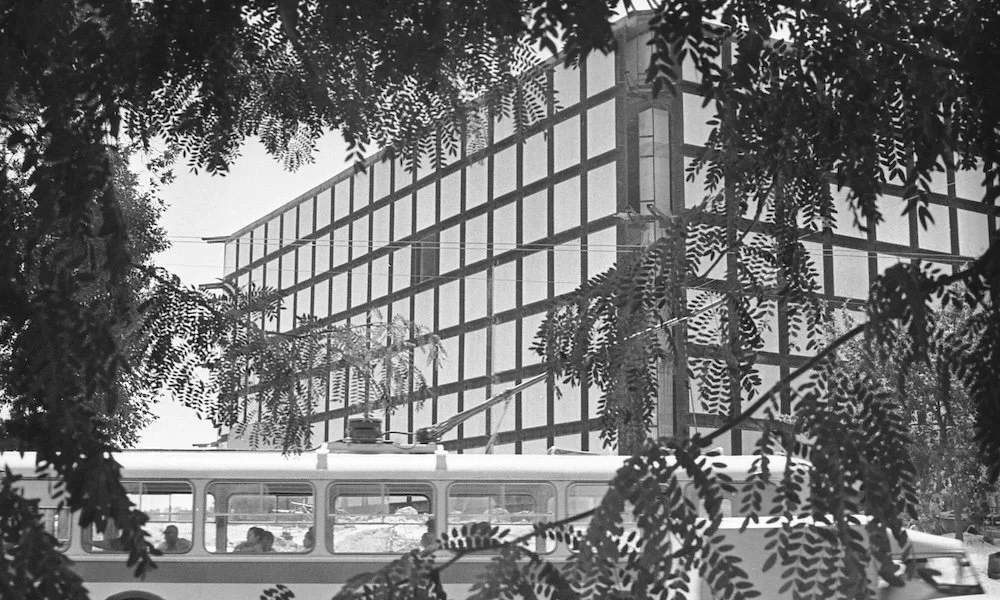

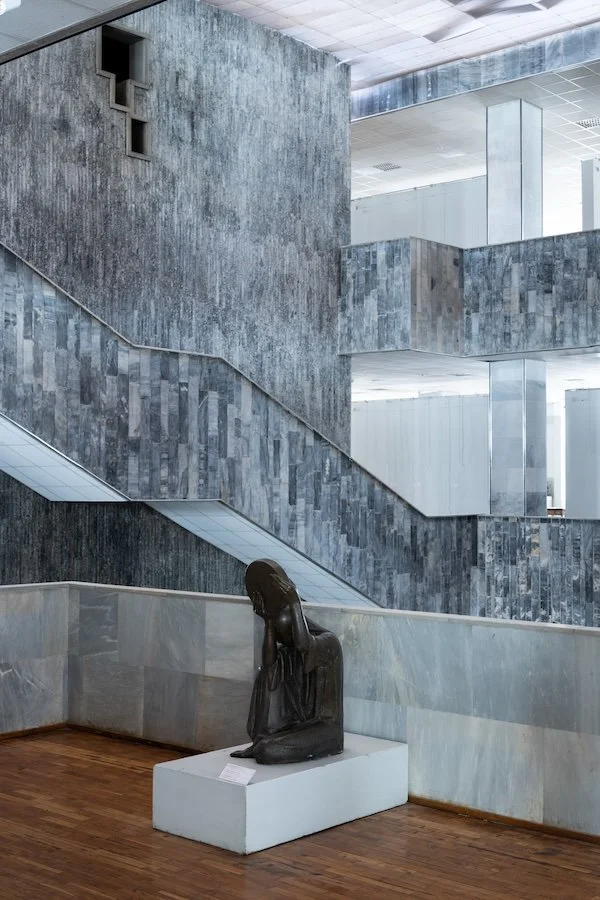
A composition of square geometries around a four-storey atrium, putting modernist abstraction into dialogue with Central Asia's mathematical and material traditions.
State Circus (1965–1975)
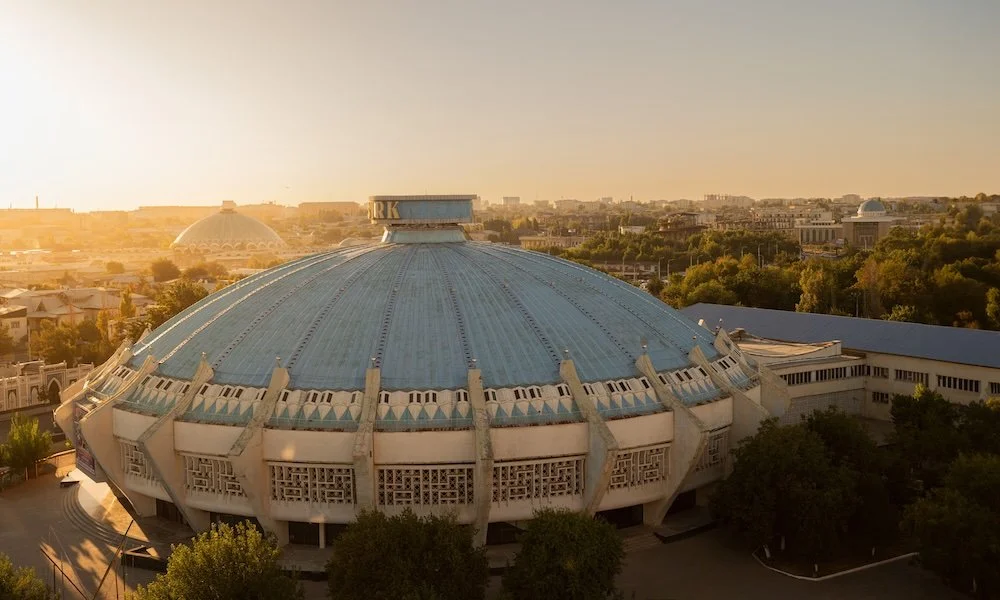
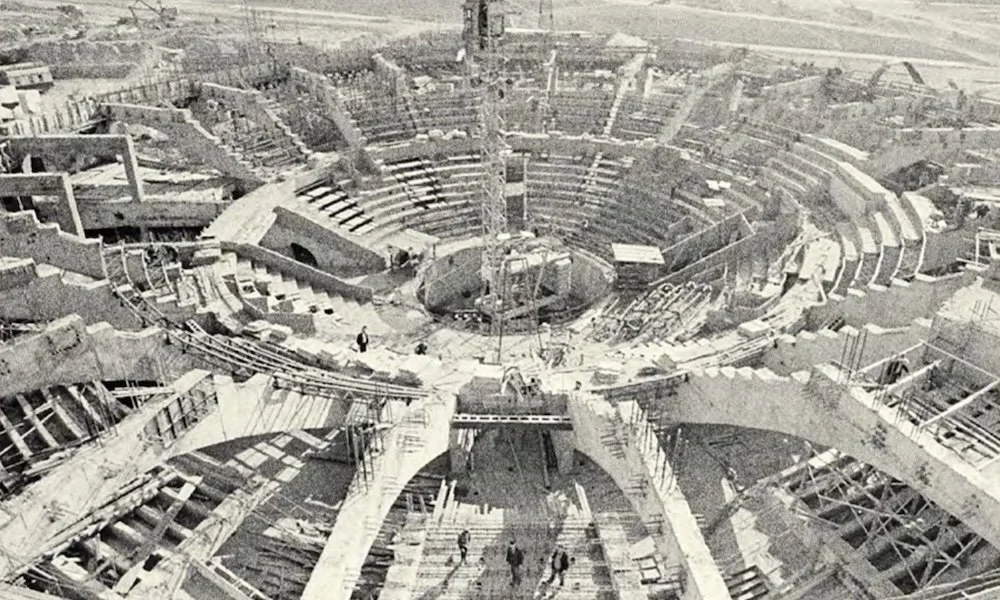
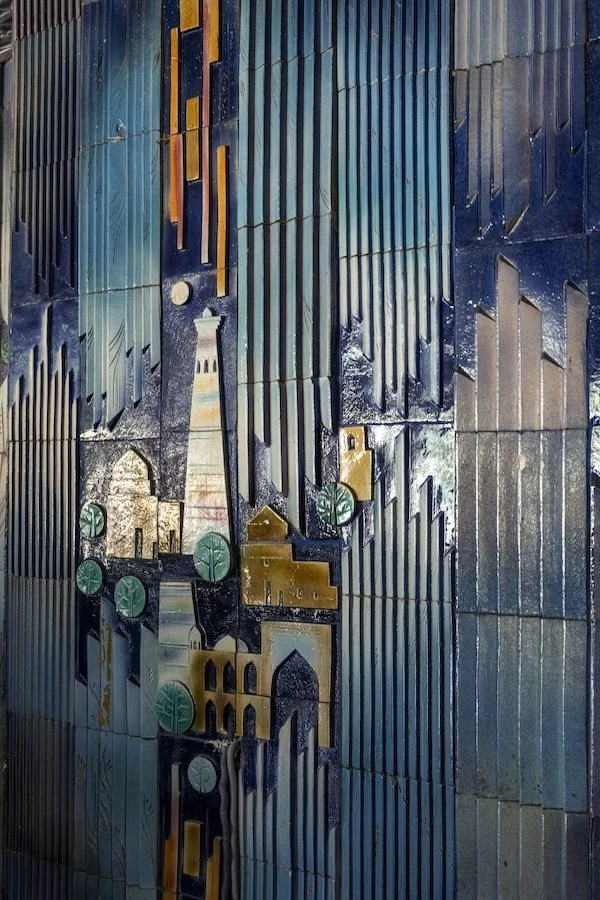
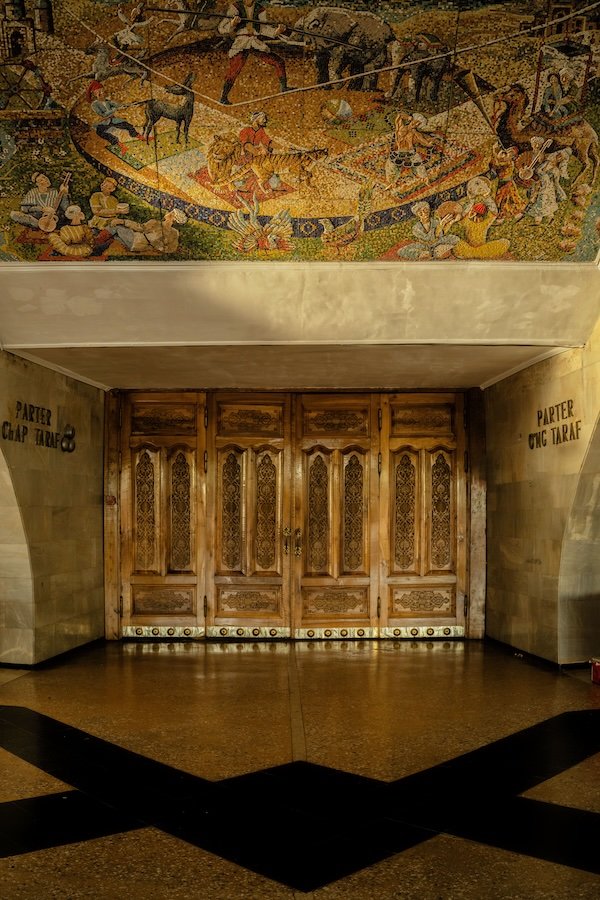
A purpose-built, 3,000-seat circus that broke from standard Soviet prototypes, using steel and reinforced concrete tailored to Tashkent's seismic and climatic conditions.
Central Exhibition Hall of the Academy of Arts (1972–1974)
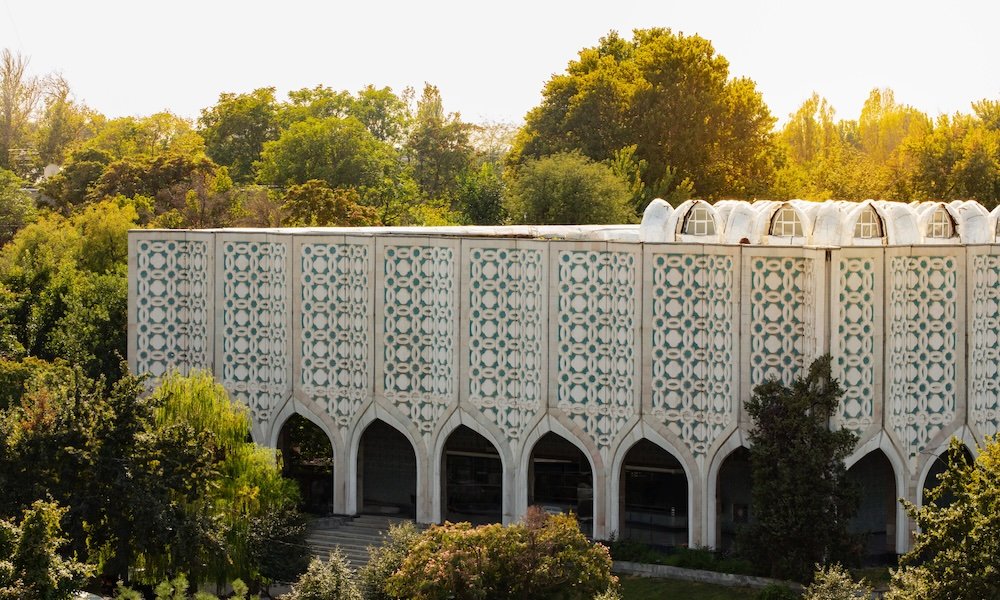
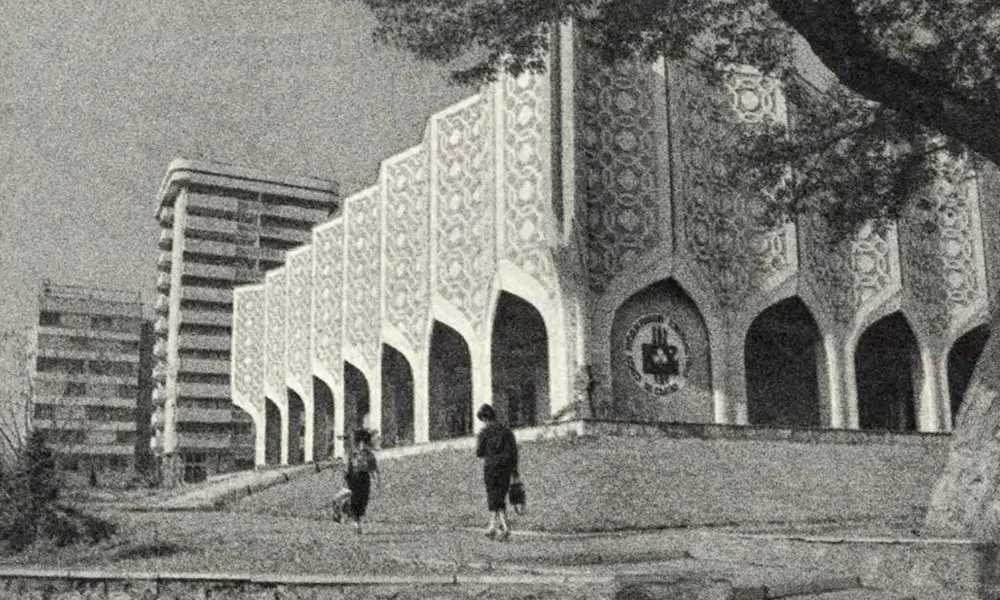


A multi-level exhibition building on a civic podium, its pleated façades carrying geometric and floral mosaic that tie the structure to the city's monumental-art traditions.
Alisher Navoi Cinema Palace (1962-1964)
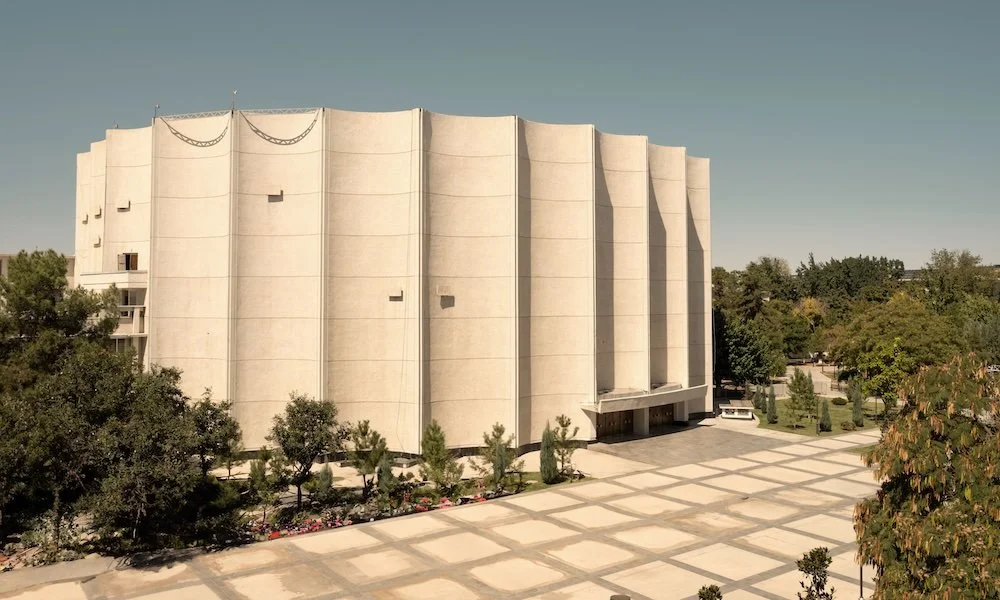
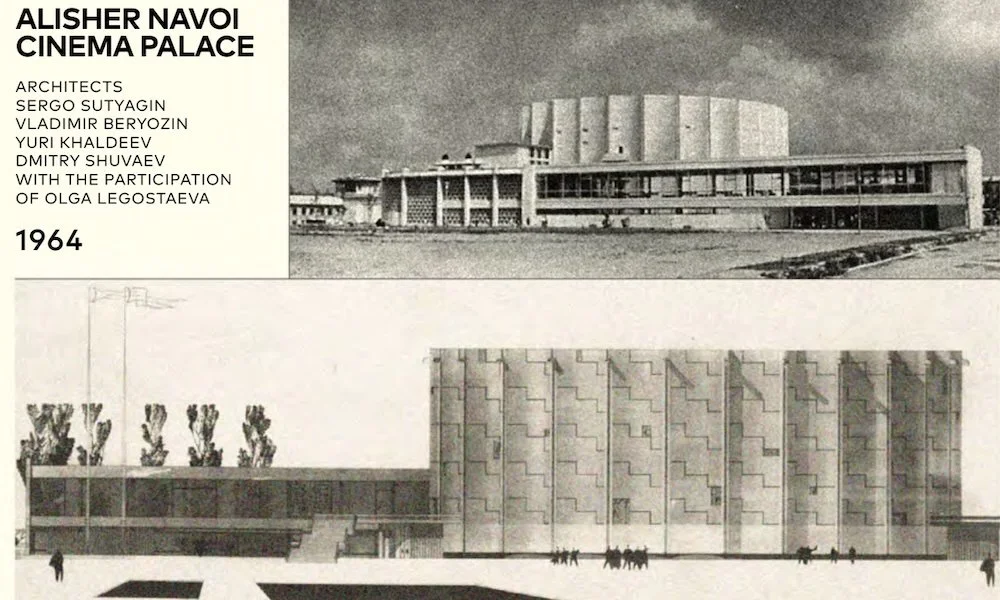


Built in the early '60s as a direct answer to the new panoramic cinema format, its cylindrical, pleated form still reads as radical.
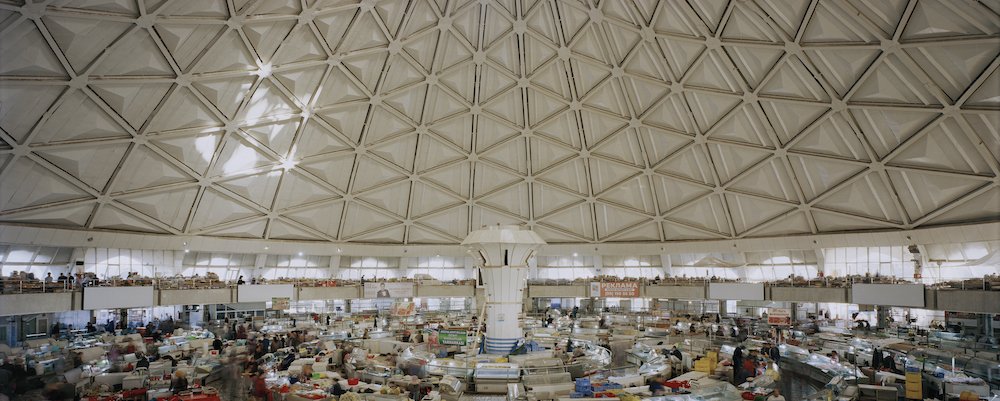
Chorsu Market (1983-1990)
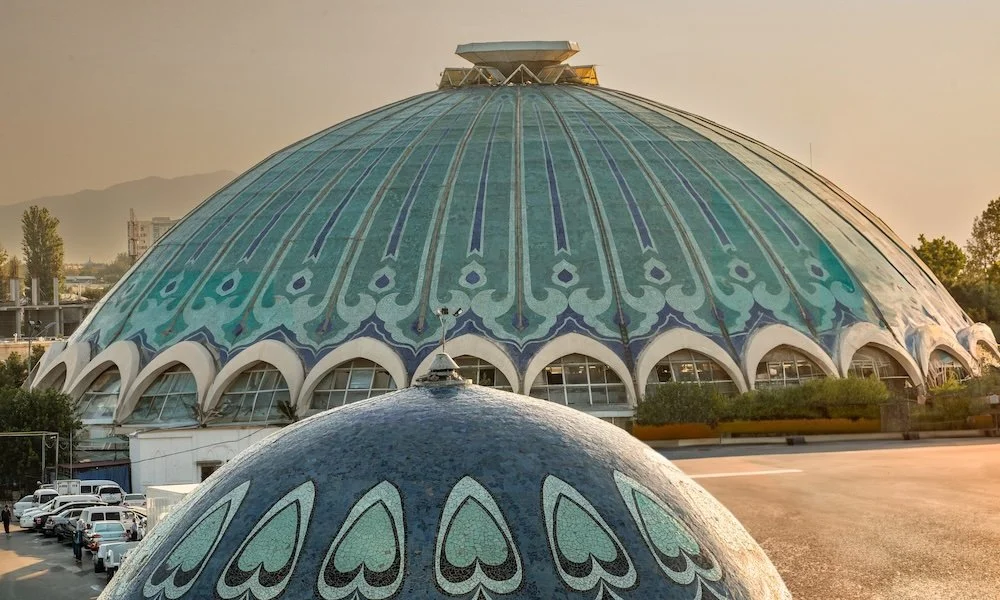
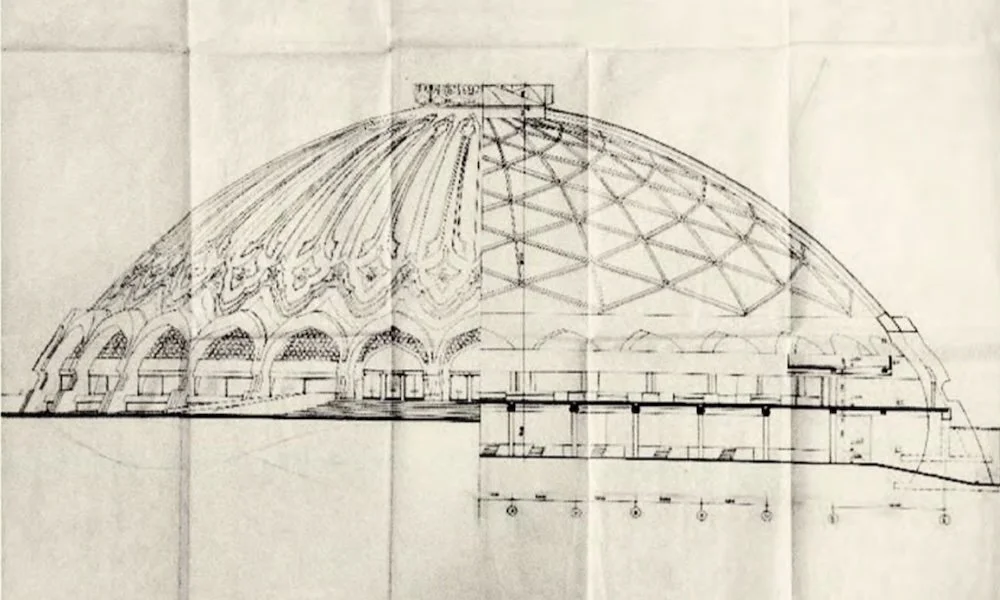

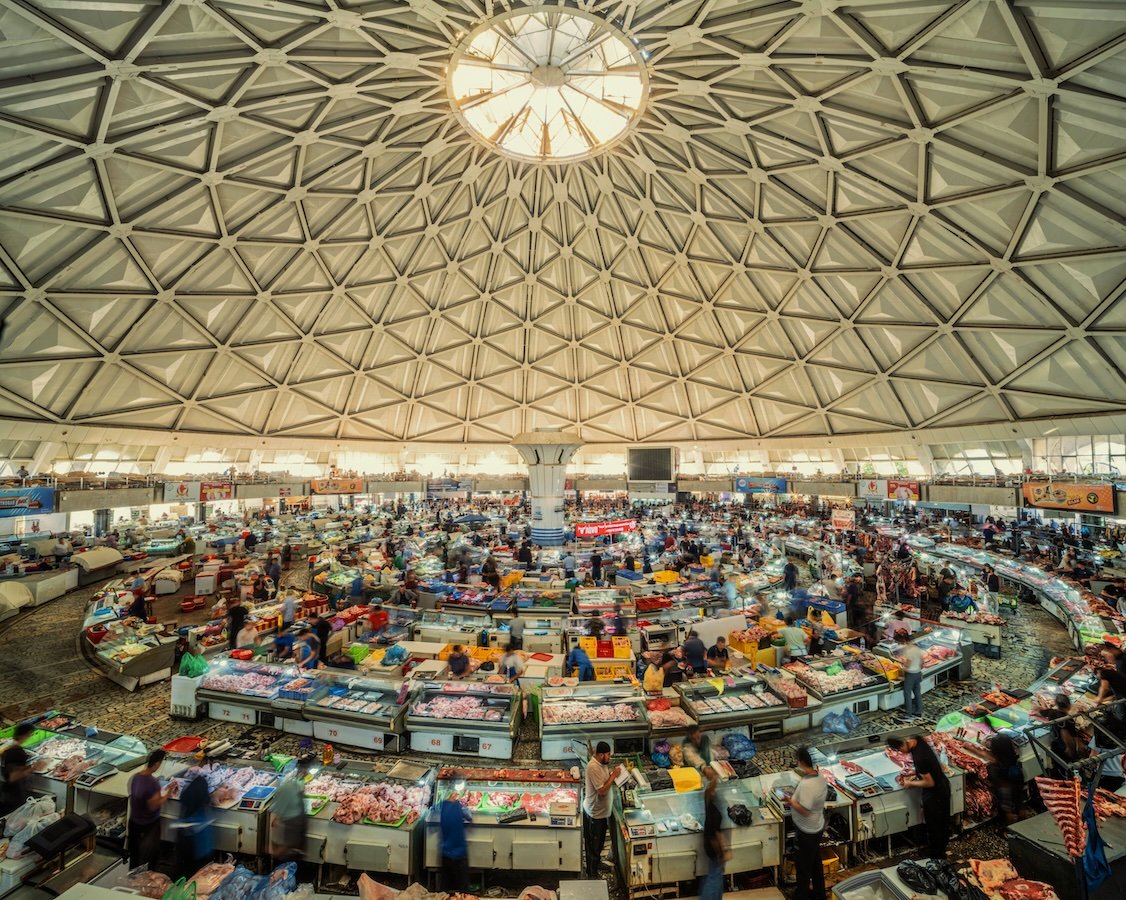
I have bought more dried nuts under that dome than is strictly reasonable. The whole structure reinterprets the old bazaar's density and intensity in concrete and tile, and it still functions exactly as intended: loud, crowded, glorious.
Kosmonavtlar metro station (1982-1984)
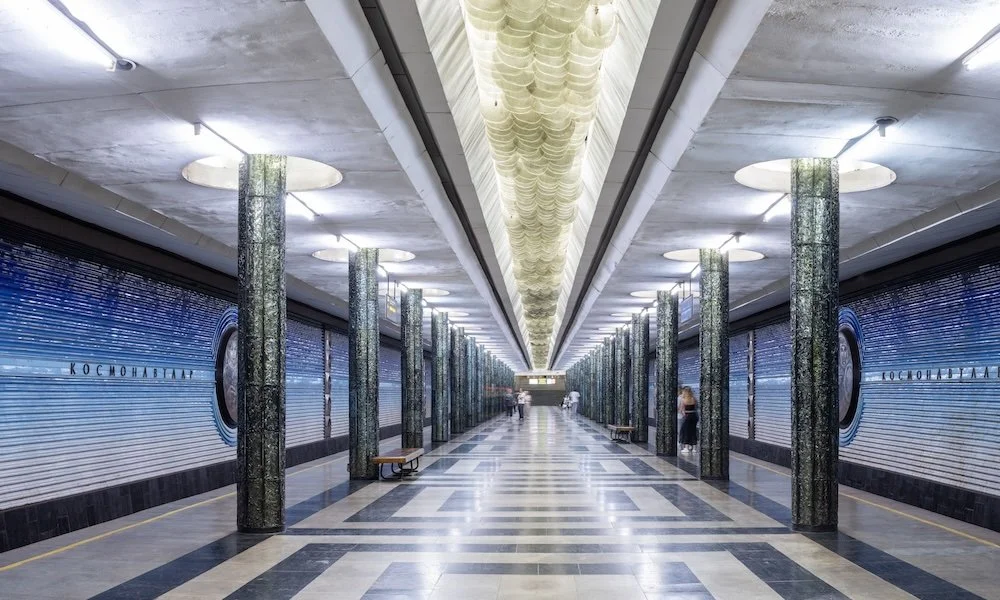
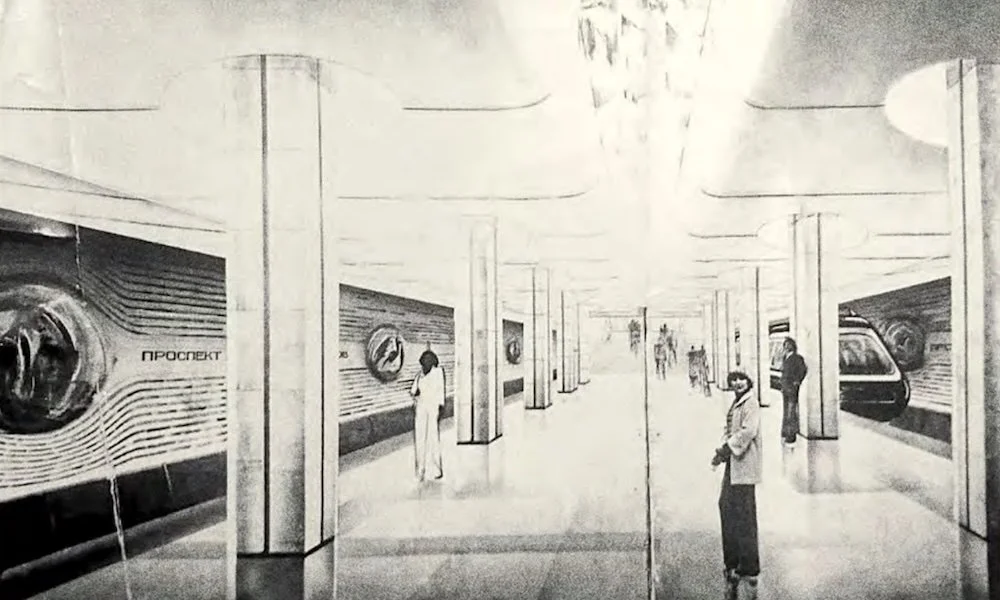

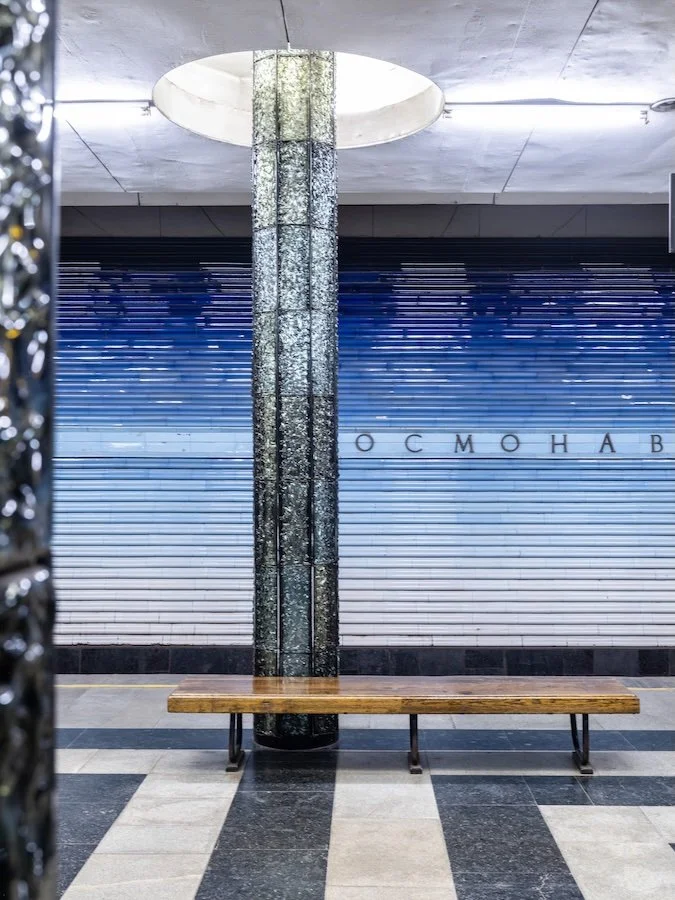
Tashkent's metro is criminally underrated as a museum you do not have to pay for, and this one is the showstopper. Graded blue ceramic, glass-clad columns, portrait medallions of cosmonauts glowing at you from the walls. Space-race optimism, underground.
How we got here?
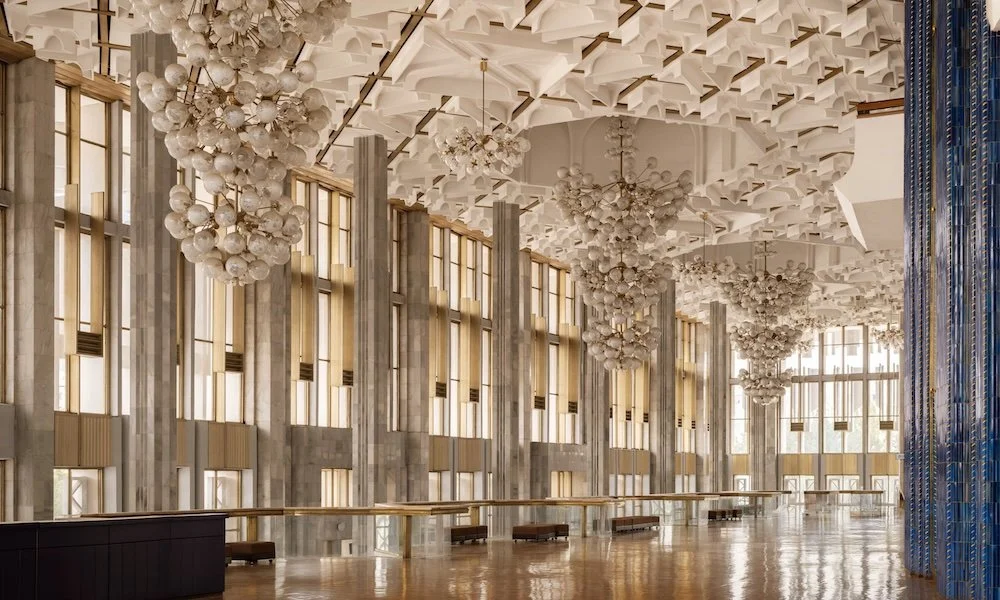
People’s Friendship Palace, courtesy of ACDF_Credit © Karel Balas
None of this happened by accident, and it certainly didn't happen fast. It is the result of a research project called Tashkent Modernism XX/XXI, which Gayane Umerova and the Uzbekistan Art and Culture Development Foundation (ACDF) commissioned by, back in 2021 and which the Milan studio GRACE coordinated with an international team, architectural historians, conservation specialists, Politecnico di Milano's Mantova campus, with Rem Koolhaas and the late Jean-Louis Cohen advising along the way.
Twenty-four buildings were documented, dozens of "passports" produced covering their condition, significance and conservation needs, and by 2024 those documents had legal teeth as reference material for how the buildings should be managed going forward.
From there it was the standard, unglamorous UNESCO slog: sixteen buildings onto the Tentative List in early 2024, refined down to a ten-building nomination submitted in January 2025, an ICOMOS evaluation mission in Tashkent that September, a Paris presentation in November, and finally a positive Advisory Body recommendation in March this year. Eighteen months of paperwork for buildings that took decades to earn the argument.
As Gayane Umerova put it when the news broke, the inscription carries "a long-term responsibility", to conserve properly, keep the buildings genuinely part of the city's life, and not just freeze them as museum pieces.
That last part matters more than it might sound. These buildings were "seldom regarded as heritage" until fairly recently, people shopped, rode the metro and watched films in them without a second thought about their significance. Which is, honestly, the best possible way to have kept them alive.
Why it is more than a plaque
I will spare you the full lecture, but the short version: this inscription is part of a genuine reassessment of where modernism actually happened and what it looked like when it wasn't dictated from Paris, New York or Berlin. Tashkent's buildings prove the movement's "universal" ambitions could be, and were, bent decisively toward a specific place, climate and culture, and the result is more interesting than either pure import or pure tradition. The research has already surfaced in two books (Tashkent: A Modernist Capital with Rizzoli, and Tashkent Modernism XX/XXI with Lars Müller), a website with an app, and exhibitions from Milan to Sharjah to Venice, so if you are not planning a Tashkent trip anytime soon, there are other ways in.